Flock Cameras Can Surveil Cars Without License Plates
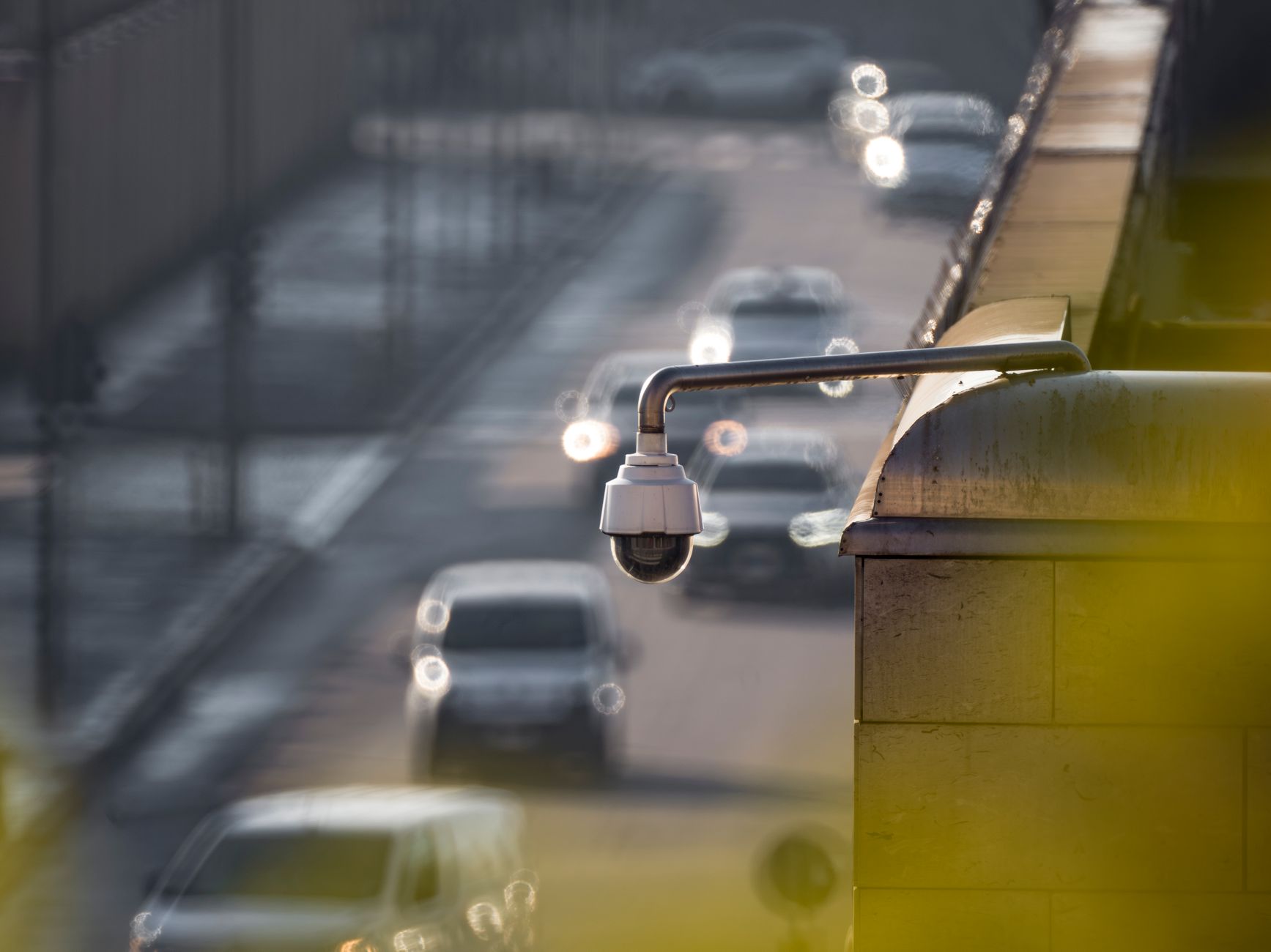
Law enforcement agencies using Flock Safety's automated license plate reader (ALPR) cameras can identify vehicles even without a visible license plate, according to a company presentation from 2024. The system, which Flock refers to as "Vehicle Fingerprint," collects and analyzes various visual characteristics of a vehicle to aid investigations.
This technology allows officers to search for vehicles based on details such as decals, bumper stickers, roof racks, and temporary or unique state license tags. Flock promotes this capability as a method for law enforcement to gather crucial information when full license plate data is unavailable, thereby strengthening cases with limited initial information.
Furthermore, Flock's platform enables police to conduct "multi-geo searches," a feature designed to locate multiple vehicles believed to be traveling together. This functionality allows investigators to track groups of vehicles and understand their movements.
The concept of using habitual proximity to track individuals or vehicles is not new. This approach predates widespread artificial intelligence applications and has historical parallels in data surveillance. For instance, Edward Snowden's revelations indicated the National Security Agency (NSA) utilized cell phone location data to monitor phones frequently located near each other.
While Flock's capabilities raise privacy concerns, the broader issue of location data surveillance extends beyond this specific technology. Access to extensive cell phone location data by various entities can enable similar tracking and surveillance activities.

Flock Safety's ALPR cameras are deployed by numerous law enforcement agencies across the United States. The company states its technology is intended to help solve crimes and improve public safety. However, critics have raised concerns about the potential for misuse and the erosion of privacy associated with such widespread surveillance systems.
The "Vehicle Fingerprint" feature highlights how ALPR systems are evolving beyond simple license plate recognition. By incorporating a wider array of vehicle identifiers, these systems can create more comprehensive profiles of vehicles and their movements, potentially impacting privacy for all drivers.
The ability to track vehicles based on non-plate identifiers and to identify groups of vehicles moving in concert raises significant questions about data privacy and the scope of law enforcement surveillance. These developments underscore the ongoing debate surrounding the balance between security needs and individual liberties in an increasingly connected world.