LIVE · cybersecurity feed
Live wire
Malware Hijacks Android Car Head UnitsCritical Flaw in NASA/JPL Open-Source Spacecraft Command Software Allowed Unauthenticated Command ExecutionCVE-2026-73570 · U.S. CISA adds Zimbra Collaboration Suite (ZCS) flaw to its Known Exploited Vulnerabilities catalogCVE-2024-3094 · Connecting the Dots: Securing the Overlooked Corners of the Software Development Lifecycle (SDLC) Supply Chain14 Trojanized npm Packages Drop RedC2 4.0 Linux Backdoor With AI-Assisted C2Hundreds of leaked AWS keys give full control over corporate accountsAndroid Car Malware Spreads Through Built-In Updaters for Ad Fraud, Proxy BotnetMalware injected into popular Rust packages to steal developer credentialsSix Maximum-Severity Flaws Found in Cisco ProductsCritical Isolated-vm Vulnerability Leads to RCE on Host
infostealerhigh

'BusySnake' Infostealer Slithers Into Critical Infrastructure Networks

A sophisticated information-stealing malware known as 'BusySnake' has been observed targeting critical infrastructure. Threat actors identified as 'Armored Likho' have successfully infiltrated government and electrical power organizations across Russia, Brazil, and Kazakhstan.

zeroday.news ·

A sophisticated information-stealing malware dubbed 'BusySnake' has been detected actively targeting critical infrastructure sectors. Threat actors operating under the moniker 'Armored Likho' have reportedly achieved successful infiltrations into government and electrical power organizations located in Russia, Brazil, and Kazakhstan.

The 'BusySnake' malware is designed to exfiltrate sensitive data from compromised systems. While specific details regarding its capabilities and infection vectors were not provided, its targeting of critical infrastructure suggests a potential for significant disruption and intelligence gathering.

The identified threat actor group, 'Armored Likho,' appears to be focused on high-value targets within the energy sector and governmental bodies. The geographical spread of these attacks, encompassing three distinct countries, indicates a potentially broad operational scope for the group.

The implications of such intrusions into critical infrastructure are substantial. Compromise of electrical power grids could lead to widespread service disruptions, impacting essential services and economic stability. Similarly, infiltration of government networks poses risks to national security, sensitive data, and public trust.

The nature of information-stealing malware means that the immediate impact may not be overt service disruption but rather the clandestine collection of credentials, proprietary information, or other data that could be leveraged for future attacks or espionage.

Further analysis of the 'BusySnake' malware and the 'Armored Likho' group's tactics, techniques, and procedures is crucial for developing effective defenses. Understanding the specific methods used for infiltration and data exfiltration will be key to mitigating future threats.

Organizations within the critical infrastructure sectors, particularly those in the affected regions, should heighten their security awareness and review their existing defenses. This includes ensuring robust network segmentation, implementing multi-factor authentication, and maintaining up-to-date security patching.

Regular security audits and employee training on recognizing and reporting suspicious activities are also essential components of a comprehensive cybersecurity strategy. The ongoing threat posed by sophisticated actors like 'Armored Likho' necessitates a proactive and vigilant approach to protecting vital national assets.

infostealercritical infrastructurearmored likhobusysnakeespionage
ShareXLinkedInWhatsAppFacebook

More News

view all →
breach

AWS Security makes an inscrutable choice

Quarantining leaked credentials is not good enough

cloud security

Cloudflare Launches Bot Preference Sync for AI Traffic Management

Cloudflare has introduced Bot Preference Sync, a new feature designed to simplify the management of AI bot traffic. This tool automatically updates a website's robots.txt file to align with the user's AI bot configuration settings. The goal is to prevent discrepancies between stated preferences and enforced rules, ensuring better control over how AI crawlers access and use website content.

ai

Say it once: introducing Bot Preference Sync

Cloudflare's new Bot Preference Sync automatically aligns your robots.txt file with your AI bot policies for Search, Agent, and Training. Easily manage which bots access your content without maintaining static files.

CVE-2024-3094high

Connecting the Dots: Securing the Overlooked Corners of the Software Development Lifecycle (SDLC) Supply Chain

Attackers are increasingly targeting the software development lifecycle (SDLC) supply chain by compromising developer tools, CI/CD pipelines, and open-source packages. Recent attacks like the ChainDrop npm worm demonstrate sophisticated methods to steal credentials, backdoor developer environments, and propagate malware. Securing the SDLC requires a shift from reactive code scanning to strict execution control and continuous visibility across developer endpoints, build pipelines, and cloud runtimes.

patch

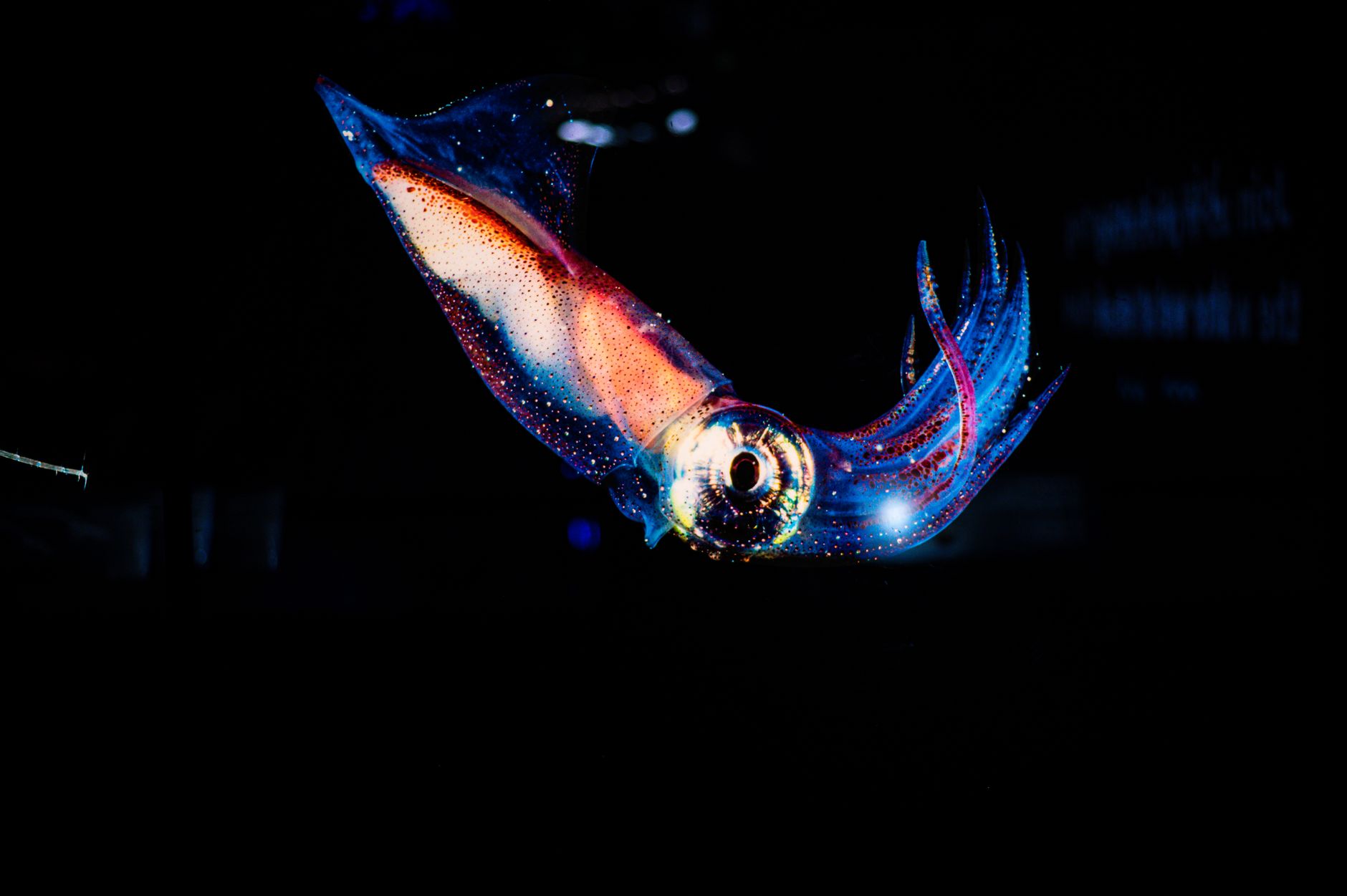
Friday Squid Blogging: Neon Flying Squid

The neon flying squid can fly in formation. The shoal of about 100 squid rose unexpectedly from a patch of the Pacific Ocean around 370 miles from Tokyo and glided near the boat for about 30 metres. The astonished researchers were the first to capture photographs of such a thing, which looked like the early stages of an alien invasion. They were probably neon flying squid (Ommastrephes bartramii),

security

Lawmakers call for investigation into impact of CISA staffing cuts

Lawmakers say little is known about how recent cuts have impacted CISA and how the knowledge that was lost has been replaced.