Iran, Russia, China Target Water Systems for Sabotage
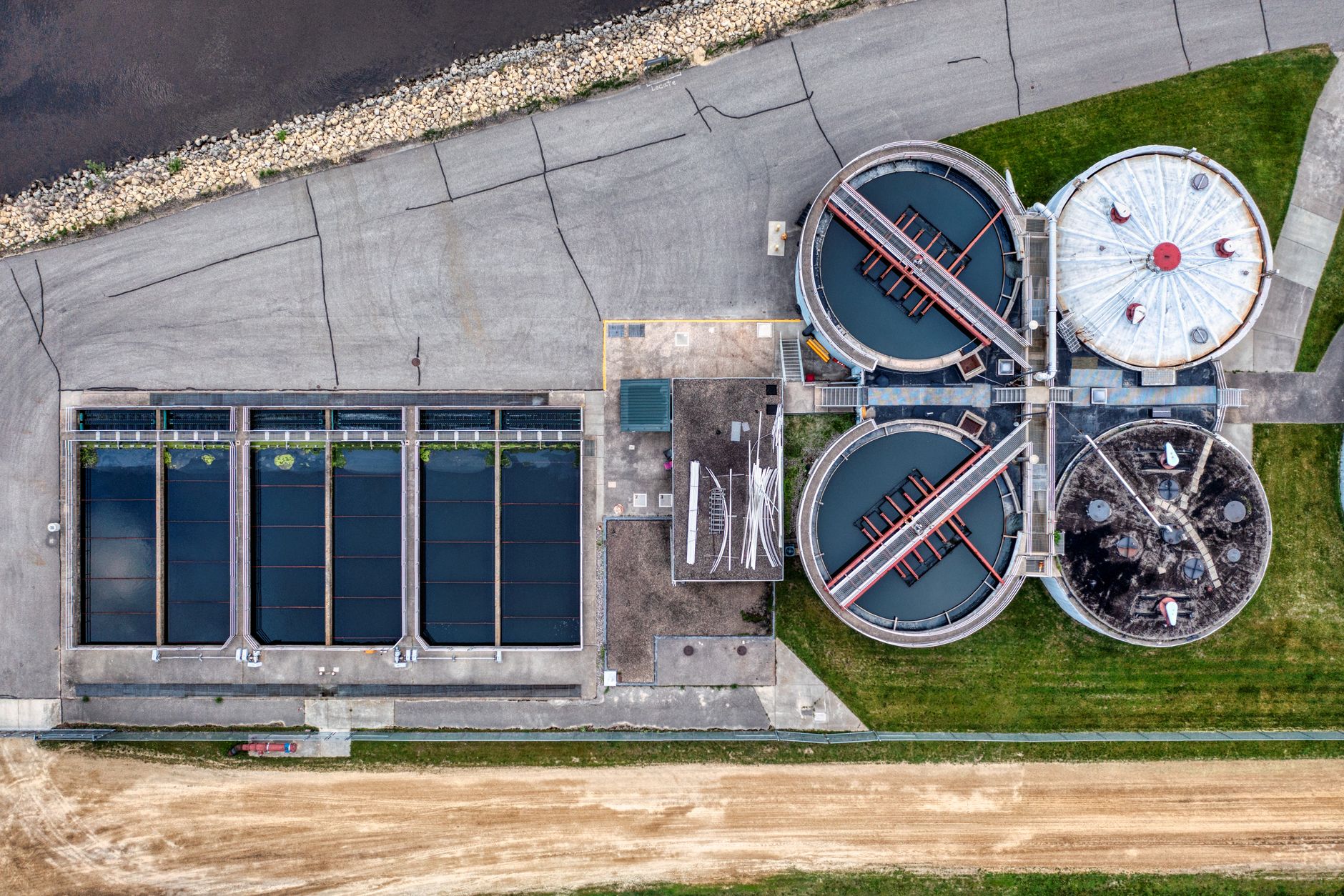
Nation-state actors, reportedly from Iran, Russia, and China, have successfully infiltrated industrial control systems within the water sector, exploiting basic security vulnerabilities rather than advanced malware. These attacks have targeted Programmable Logic Controllers (PLCs) that manage critical water infrastructure operations.
The primary methods of entry identified in these breaches include the use of weak or default passwords, which allow unauthorized access to control systems. Additionally, attackers have exploited PLCs that are directly exposed to the internet, bypassing typical network security layers. Poor network segmentation within these facilities has also been a significant factor, enabling attackers to move laterally within the compromised systems once initial access is gained.
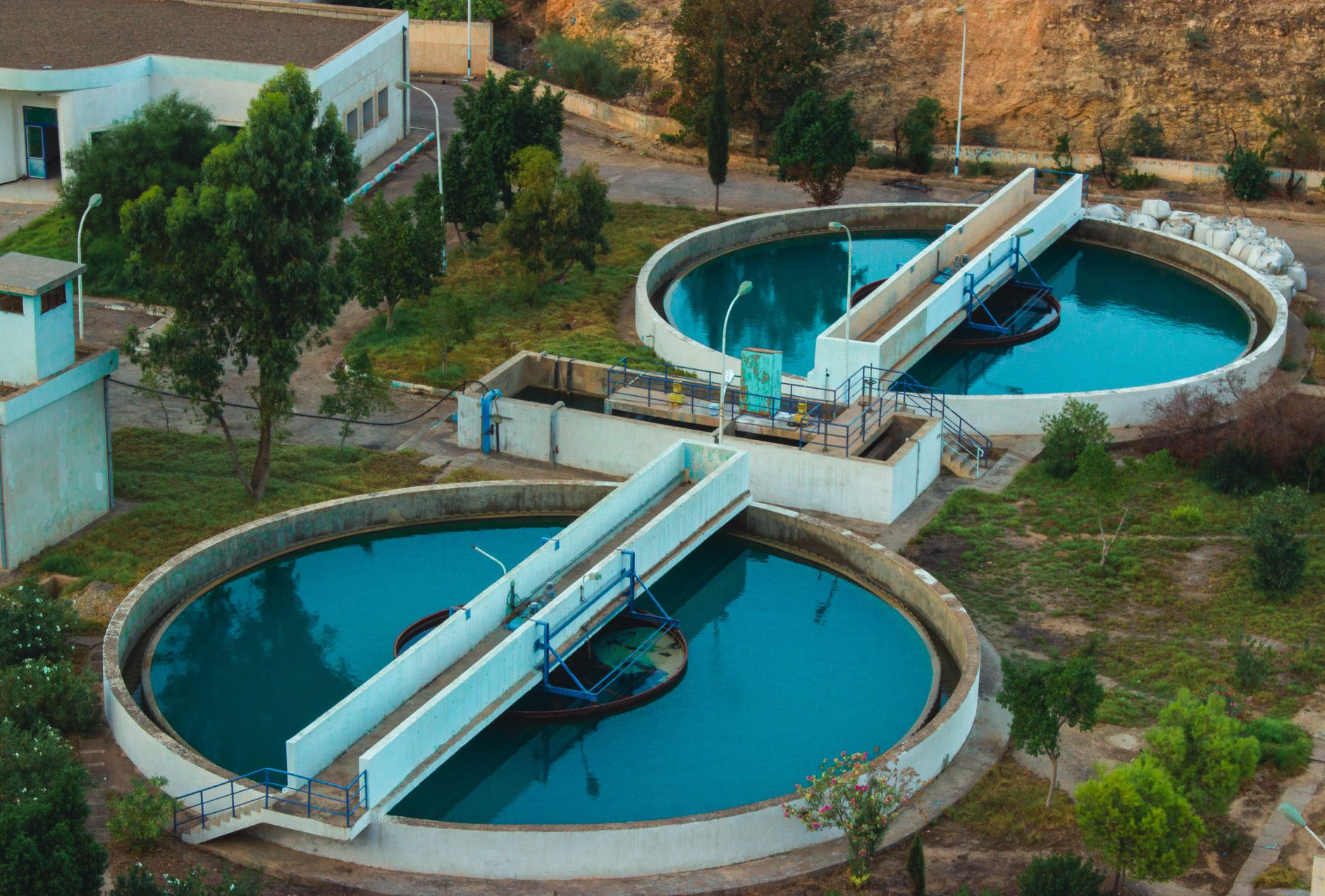
The findings suggest a pattern of opportunistic exploitation of fundamental security weaknesses rather than the deployment of highly sophisticated, custom-built malware. This approach indicates that even basic cybersecurity hygiene can be a critical defense against such threats.
While the specific targets and the full extent of the damage are not detailed, the breaches highlight the vulnerability of essential services like water treatment and distribution to nation-state sponsored cyber operations. The ability to disrupt these systems could have significant public safety and economic consequences.
The attackers' focus on industrial control systems, specifically PLCs, underscores their intent to manipulate or disable the physical processes managed by these devices. This could range from altering water treatment chemicals to shutting down pumps, potentially impacting water quality or supply.
The report emphasizes that the success of these operations is not due to the attackers' ability to overcome complex cyber defenses, but rather their exploitation of readily available entry points. This includes exploiting devices with easily guessable credentials or those left unsecured and accessible from the public internet.
The lack of proper network segmentation means that once an attacker gains a foothold on one part of the network, they can potentially access other critical components, including the PLCs that control the physical infrastructure. This makes containment and mitigation more challenging.
The findings serve as a stark reminder for organizations managing critical infrastructure to prioritize fundamental cybersecurity practices. This includes implementing strong, unique passwords for all devices, securing internet-facing systems, and ensuring robust network segmentation to limit the impact of any potential breach. Regular security audits and vulnerability assessments are also crucial to identify and address these basic weaknesses before they can be exploited.