LIVE · cybersecurity feed
Live wire
CVE-2026-15409 · Edge infrastructure under siege: what two independent datasets reveal about who's exploiting your perimeterAnonyMousKIT phishing-as-a-service uses AI voice calls to steal iPhone passcodesCVE-2026-60004 · Hackers now exploit critical Gitea flaw in code injection attacksEmployee benefits platform Paylogix says hackers stole financial and health dataU.S. Sanctions Iran-Linked Hackers Behind Critical Infrastructure BreachesCVE-2026-61979 · Two CVSS 9.8 Auth Bypasses in miniOrange SAML WordPress Plugin Were Exploited Before Any Database Even Listed the Paid Editions as VulnerableCVE-2024-28224 · A Malicious Webpage Could Poison Your Local AI Model Behind NVIDIA NemoClawAustralia Warns of Active Exploitation of Critical TeamCity Server FlawCVE-2026-21962 · Actively Exploited Oracle WebLogic Flaw Lets Unauthenticated Attackers Access Critical DataUS sanctions Iranian cyber actors as UK discloses power plant attack
breach

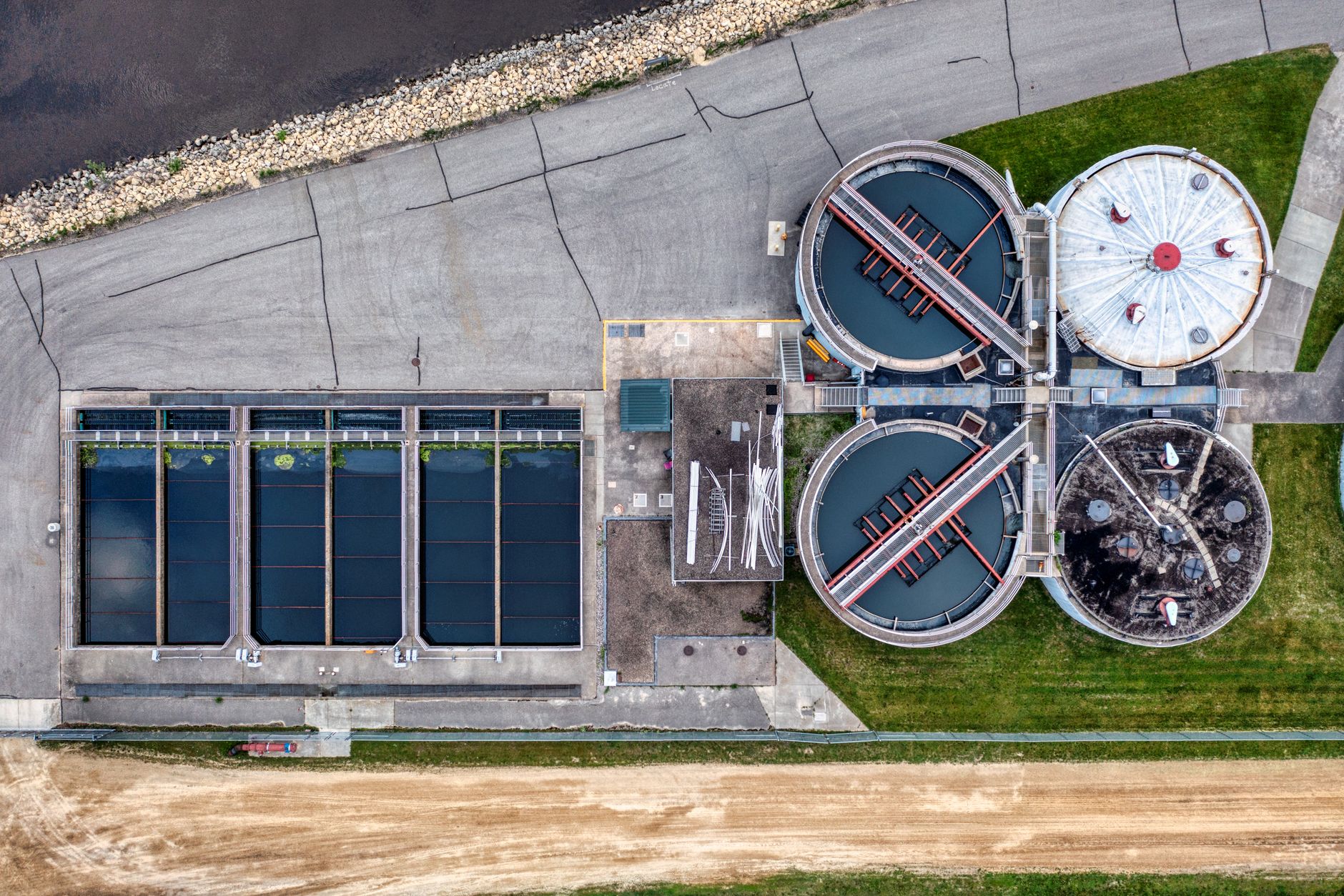
CISA: Over 100 Internet-Exposed Water Systems Targeted in July Cyberattacks

The agency has released guidance on reducing internet exposure in the wake of the recent Iran-linked hacker attacks. The post CISA: Over 100 Internet-Exposed Water Systems Targeted in July Cyberattacks appeared first on SecurityWeek.

zeroday.news ·

The Cybersecurity and Infrastructure Security Agency (CISA) has reported that over 100 internet-exposed water systems were targeted in cyberattacks during July. The agency has subsequently issued guidance aimed at assisting organizations in reducing their internet exposure, particularly in light of these recent incidents which CISA attributes to Iran-linked threat actors.

These attacks reportedly focused on water systems that were directly accessible from the public internet. Such exposure can arise from various factors, including misconfigured network devices, unpatched vulnerabilities in internet-facing equipment, or the intentional placement of operational technology (OT) components on the public internet without adequate protective measures. The direct accessibility of these systems significantly lowers the bar for attackers, allowing them to potentially scan for, identify, and attempt to exploit known weaknesses or default credentials.

The technical mechanism of these attacks was not detailed, but targeting internet-exposed systems often involves reconnaissance scans to identify vulnerable services, open ports, or specific device fingerprints. Once identified, attackers might attempt to leverage known exploits for software running on these systems, brute-force weak credentials, or exploit default configurations. For water systems, this could involve programmable logic controllers (PLCs), human-machine interfaces (HMIs), or remote terminal units (RTUs) that are inadvertently exposed.

The affected products or vendors were not specified, but water systems commonly utilize a range of industrial control systems (ICS) and supervisory control and data acquisition (SCADA) components from various manufacturers. These systems are designed for operational control and monitoring, and when exposed to the internet without proper segmentation or security controls, they can become targets. The scope of over 100 targeted systems suggests a broad scanning effort rather than highly specific, tailored attacks against a few high-value targets.

Typical mitigation guidance for this class of issue revolves around robust network segmentation, ensuring that operational technology networks are isolated from enterprise IT networks and the public internet. Implementing strong access controls, multi-factor authentication for remote access, and regularly patching and updating all internet-facing systems are critical. Additionally, organizations are advised to conduct regular vulnerability assessments and penetration tests to identify and remediate exposures proactively.

The CISA guidance likely emphasizes the importance of minimizing the attack surface by reducing unnecessary internet exposure. This includes reviewing firewall rules, disabling unused services, and implementing secure remote access solutions such as VPNs with strong encryption and authentication. Monitoring network traffic for unusual activity and maintaining comprehensive asset inventories are also standard recommendations to enhance resilience against such threats.

This incident underscores the ongoing challenge of securing critical infrastructure, particularly against state-sponsored or state-aligned threat actors. The targeting of internet-exposed operational technology highlights a persistent vulnerability across various sectors, emphasizing the need for continuous vigilance, adherence to cybersecurity best practices, and proactive measures to protect systems that are vital for public services.


breach
ShareXLinkedInWhatsAppFacebook

More News

view all →
CVE-2026-15409critical

Edge infrastructure under siege: what two independent datasets reveal about who's exploiting your perimeter

A joint Tenable-SentinelOne analysis of 93 CVE-actor attribution pairs reveals that both state-sponsored actors and cybercriminals independently converge on the same edge infrastructure. Special thanks to SentinelOne® Incident Readiness & Response for their contributions to this publication. It is the shared attack surface where state-sponsored threat actors and financially motivated criminal grou

phishingcritical

AnonyMousKIT phishing-as-a-service uses AI voice calls to steal iPhone passcodes

A phishing-as-a-service (PhaaS) platform called AnonyMousKIT is automating the theft of Apple ID credentials needed to remove Activation Lock from stolen iPhones, SOCRadar found. “By leveraging a critical flaw – the use of bare relative paths – the investigation unraveled a reseller supply chain of 506 domains and 168 storefront brands active since early 2024. Despite leveraging advanced AI to mim

vulnerability

Four in Five AI Tools Run with No IT Oversight, New Research Finds

Reco report reveals growing shadow AI problem and surge in vulnerability disclosures

CVE-2026-60004critical

Hackers now exploit critical Gitea flaw in code injection attacks

Attackers are actively exploiting a critical code injection vulnerability (CVE-2026-60004) in the self-hosted Gitea Git service. The flaw allows authenticated users with write access to execute arbitrary shell commands, and with default open registration, unauthenticated attackers can exploit it by creating an account. Gitea has released version 1.27.1 to address the issue, and CISA has ordered U.S. federal agencies to patch within three days due to active exploitation, with reports indicating cryptocurrency mining malware deployment.

mfa

The MFA Identity Trap: When Authentication Creates a False Sense of Security

Organizations are falling into an 'MFA Identity Trap' by conflating identity verification, authentication, and threat detection. This confusion can lead to a false sense of security, where systems successfully authenticate attackers instead of blocking them. A clear distinction between these processes is crucial for effective security.

security

RightCrowd Pass unifies mobile, physical, and biometric credentials

RightCrowd announced RightCrowd Pass, a credentialing solution that issues and manages mobile, physical and biometric access credentials from a single platform. Many large enterprises and universities rely on badge programs-built years ago. As organizations add mobile and biometric credentials, what began as a single access program can fragment into three separate systems, each with its own issuan