The U.S. Coast Guard is actively monitoring a cyberattack that disrupted gate operations at all three North Carolina port facilities this week. The incident, which began earlier in the week, affected the Port of Wilmington, the Port of Morehead City, and the Charlotte Inland Port.
Upon discovering the intrusion, the North Carolina State Ports Authority initiated its cybersecurity contingency plan and sought assistance from state and federal agencies, including the Coast Guard. The breach specifically impacted gate systems, leading to delayed gate openings and a temporary shift to manual processing for truck and cargo traffic.
As of Friday morning, the Ports Authority's website indicated that a normal operating schedule had resumed. However, the investigation into the nature of the attack, the specific systems compromised beyond the gates, and whether vessel operations, cargo-handling equipment, or rail services were affected, remains ongoing. The Ports Authority has not yet disclosed the extent of the disruption to truck or cargo traffic.
The Coast Guard's IT unit is coordinating with partner agencies as part of the investigation. While the incident is being actively probed, no official attribution for the attack has been made public, nor has there been any information linking it to a specific threat actor.
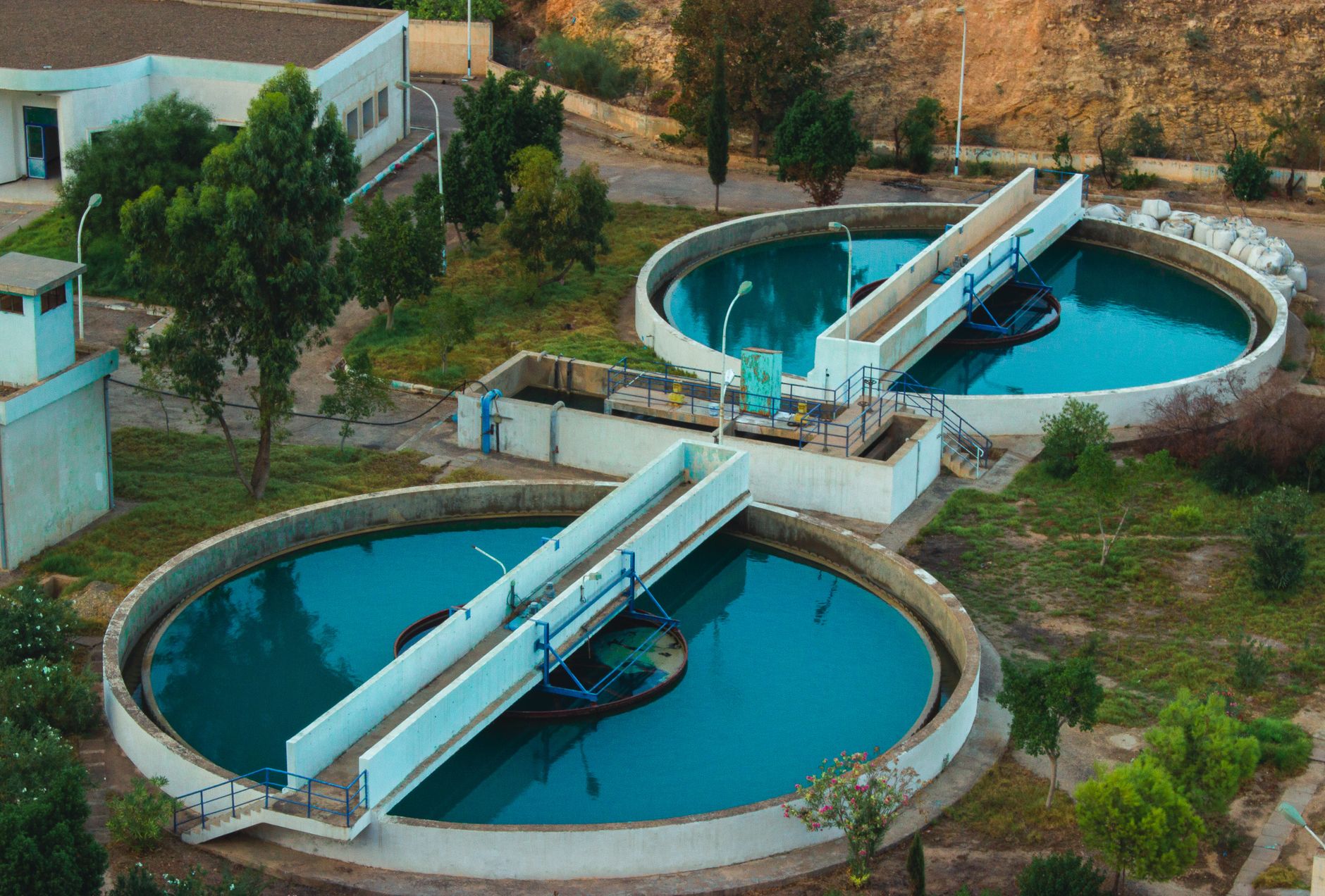
This event follows a series of recent cyberattacks targeting critical infrastructure, particularly water and wastewater systems in the U.S. Experts have previously attributed some of these attacks on water systems to Iranian actors, though there is no public information connecting those incidents to the port cyberattack.
North Carolina's ports are vital trade hubs in the southeastern U.S., with the Port of Wilmington serving as a key gateway for agricultural exports, retail goods, and raw materials. The Ports Authority has committed to providing further updates on its website and through its email alert service.