LIVE · cybersecurity feed
Live wire
Malware Hijacks Android Car Head UnitsCritical Flaw in NASA/JPL Open-Source Spacecraft Command Software Allowed Unauthenticated Command ExecutionCVE-2026-73570 · U.S. CISA adds Zimbra Collaboration Suite (ZCS) flaw to its Known Exploited Vulnerabilities catalogCVE-2024-3094 · Connecting the Dots: Securing the Overlooked Corners of the Software Development Lifecycle (SDLC) Supply Chain14 Trojanized npm Packages Drop RedC2 4.0 Linux Backdoor With AI-Assisted C2Hundreds of leaked AWS keys give full control over corporate accountsAndroid Car Malware Spreads Through Built-In Updaters for Ad Fraud, Proxy BotnetMalware injected into popular Rust packages to steal developer credentialsSix Maximum-Severity Flaws Found in Cisco ProductsCritical Isolated-vm Vulnerability Leads to RCE on Host
CVE-2016-20031medium

CVE-2016-20031: ZKTeco ZKBioSecurity 3.0 contains a local authorization bypass vulnerability in visLogin.jsp that allows attackers

ZKTeco ZKBioSecurity 3.0 contains a local authorization bypass vulnerability in visLogin.jsp that allows attackers to authenticate without valid credentials by spoofing localhost requests. Attackers can exploit the EnvironmentUtil.getClientIp() method which treats IPv6 loopback address 0:0:0:0:0:0:0:1 as 127.0.0.1 and authenticates using the IP as username with hardcoded password 123456 to access sensitive information and perform unauthorized actions.

zeroday.news ·

ZKTeco ZKBioSecurity 3.0 contains a local authorization bypass vulnerability in visLogin.jsp that allows attackers to authenticate without valid credentials by spoofing localhost requests. Attackers can exploit the EnvironmentUtil.getClientIp() method which treats IPv6 loopback address 0:0:0:0:0:0:0:1 as 127.0.0.1 and authenticates using the IP as username with hardcoded password 123456 to access sensitive information and perform unauthorized actions.

vulnerabilityauthenticationmobile
ShareXLinkedInWhatsAppFacebook

More News

view all →
nasacritical

Critical Flaw in NASA/JPL Open-Source Spacecraft Command Software Allowed Unauthenticated Command Execution

A critical vulnerability has been discovered in NASA/JPL's open-source AIT-GUI software, which is used to control spacecraft instruments. The flaw allows unauthenticated attackers to execute arbitrary commands, run server-side scripts, and manipulate command sequences by exploiting a lack of authentication, session checks, and CSRF protection. Researchers confirmed the issue, which has a CVSS score of 9.4, and a fix is available in version 2.5.2.

CVE-2026-73570critical

U.S. CISA adds Zimbra Collaboration Suite (ZCS) flaw to its Known Exploited Vulnerabilities catalog

CISA has added a critical vulnerability in Zimbra Collaboration Suite (ZCS) to its Known Exploited Vulnerabilities catalog. The flaw, CVE-2026-73570, allows unauthenticated remote code execution and is being actively exploited by threat actors. Zimbra released a patch for the vulnerability less than a month before exploitation was confirmed.

security

Your Expired Visa Card Could Be ‘Zombified’ to Make Contactless Payments

Plus: Apple sends out an “unprecedented” number of spyware warnings, Ukraine hits a Russian ecommerce giant with cyber and drone attacks, and more.

malwarehigh

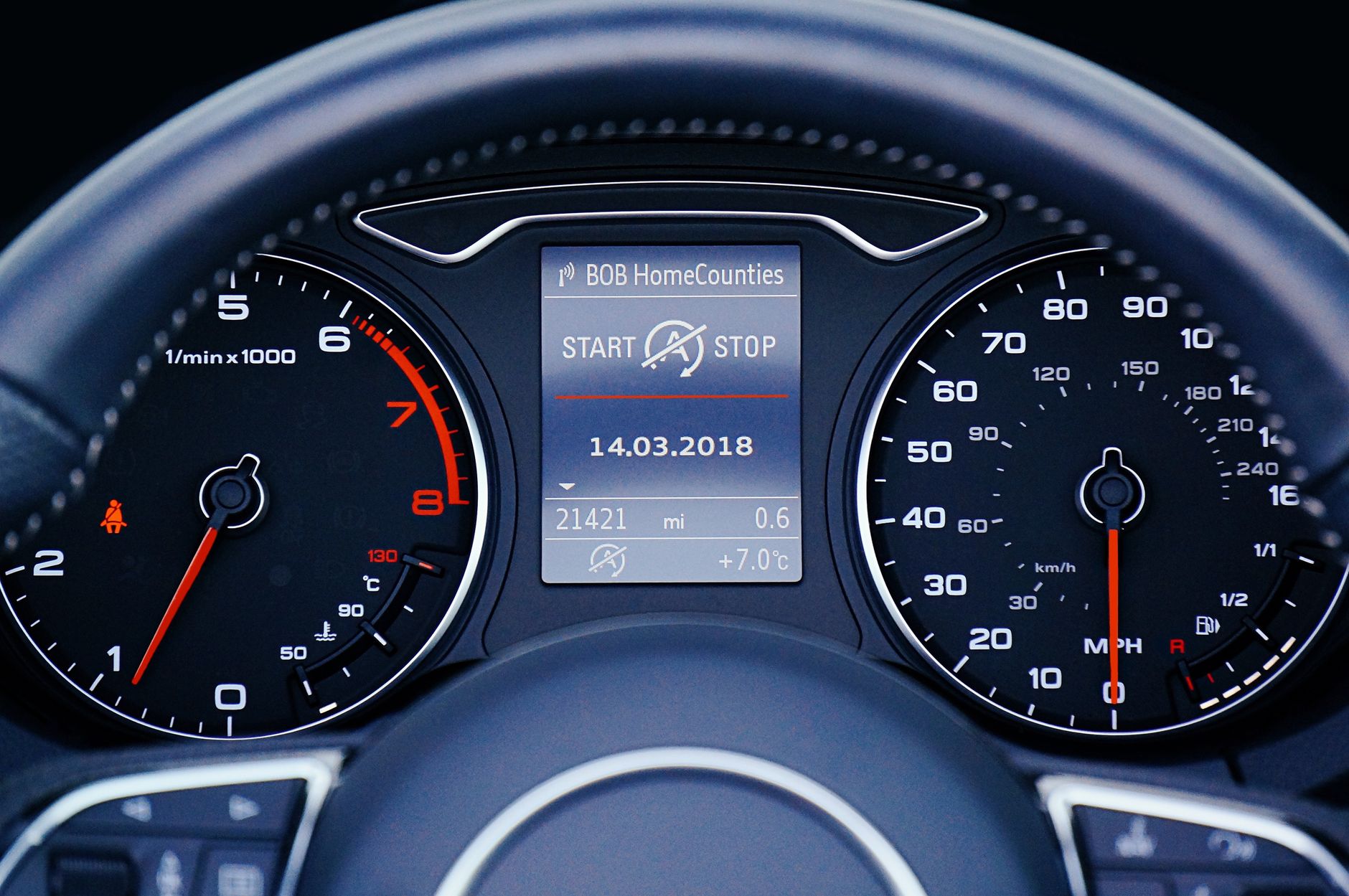
Malware Hijacks Android Car Head Units

Researchers have identified new Android malware that hijacks car head units by exploiting their official update mechanisms. The malware installs proxy software, turning vehicles into nodes for the BADBOX botnet, primarily for ad fraud and to provide anonymized internet connections. This marks the first documented instance of malware specifically targeting car head units through their native update channels.

malware

Banking Trojans Manic, Grandoreiro, ToxicPanda 2.0 in the Spotlight

The spyware-equipped Manic, a persistent Grandoreiro campaign in Latin America and Europe, and an expanded ToxicPanda 2.0 malware. The post Banking Trojans Manic, Grandoreiro, ToxicPanda 2.0 in the Spotlight appeared first on SecurityWeek.

breach

AWS Security makes an inscrutable choice

Quarantining leaked credentials is not good enough