Deserialization of Untrusted Data vulnerability in TotalSuite TotalContest Lite totalcontest-lite allows Object Injection.This issue affects TotalContest Lite: from n/a through <= 2.9.1.


A critical vulnerability has been discovered in NASA/JPL's open-source AIT-GUI software, which is used to control spacecraft instruments. The flaw allows unauthenticated attackers to execute arbitrary commands, run server-side scripts, and manipulate command sequences by exploiting a lack of authentication, session checks, and CSRF protection. Researchers confirmed the issue, which has a CVSS score of 9.4, and a fix is available in version 2.5.2.

Agents are also the new attack surface - cue defenders' existential angst

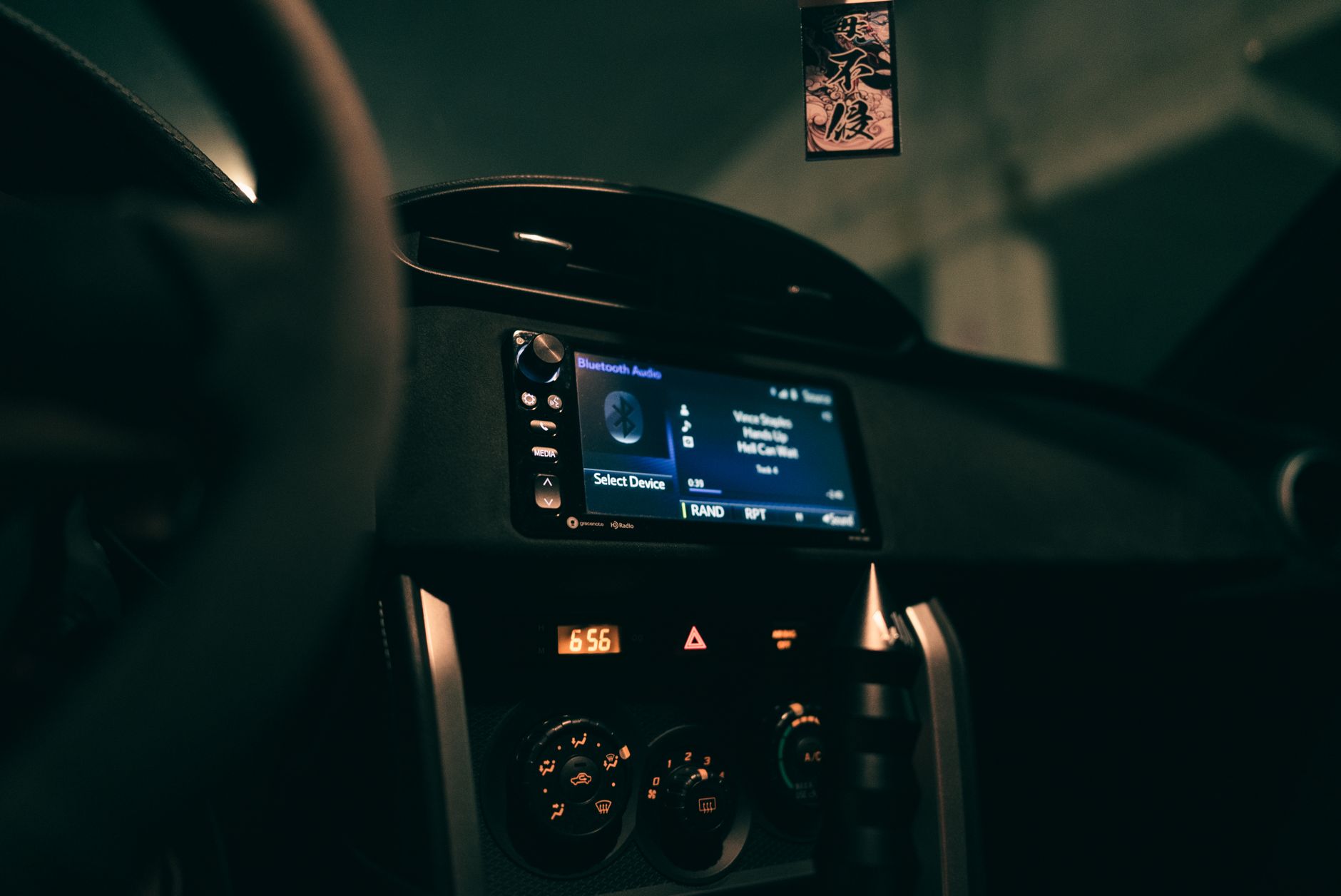
A supply-chain attack targeting Android-based car head units is using a legitimate device-update app to spread malware that enlists compromised devices in a proxy botnet or uses them for ad fraud. [...]

Windows named pipes provide fast interprocess communication, but weak access controls can expose privileged services to untrusted processes. ThreatLocker explains how endpoint verification, command authorization, strict input validation, and narrowly scoped privileges can help secure named-pipe communication. [...]

Plus: Apple sends out an “unprecedented” number of spyware warnings, Ukraine hits a Russian ecommerce giant with cyber and drone attacks, and more.

Researchers have identified new Android malware that hijacks car head units by exploiting their official update mechanisms. The malware installs proxy software, turning vehicles into nodes for the BADBOX botnet, primarily for ad fraud and to provide anonymized internet connections. This marks the first documented instance of malware specifically targeting car head units through their native update channels.