LIVE · cybersecurity feed
aihigh

Cybersecurity and the Gap Between Skill and Ability

zeroday.news·6h ago

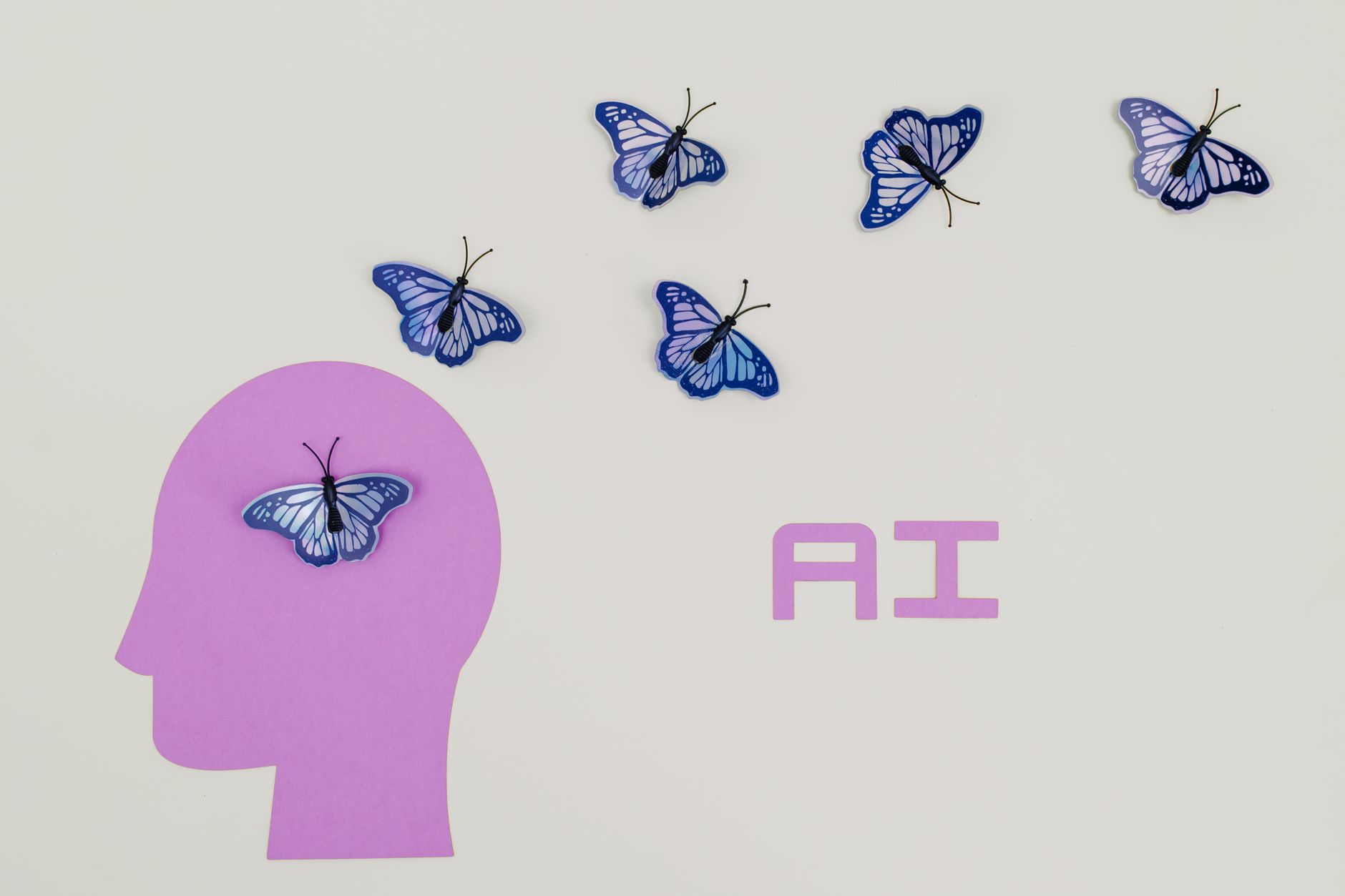
National security agencies from the Five Eyes alliance have issued a joint warning about the escalating cyber risks posed by AI, particularly its capacity for autonomous hacking. The advisory reiterates long-standing cybersecurity best practices but emphasizes their increased urgency due to rapid AI advancements.

The core issue highlighted is the widening chasm between technical skill and practical ability, a gap exacerbated by AI. Historically, performing complex actions like hacking required significant expertise. However, AI tools now enable individuals with minimal technical knowledge to execute sophisticated cyberattacks, including data theft, ransomware deployment, and system destruction, with little more than basic prompts.

This trend echoes historical patterns, such as the 1998 congressional testimony by the hacker group L0pht, where even then, the availability of hacking tools lowered the skill threshold for attackers. AI represents a dramatic acceleration of this phenomenon, making powerful offensive capabilities accessible to a much broader audience.

The proliferation of open-source AI models, which can run locally and lack the safety guardrails of larger commercial systems, poses a particular concern. These models are likely to be shared and modified, mirroring the spread of early hacking scripts and bypassing any built-in restrictions.

Attempts to mitigate these risks, such as instructing AI to report malicious prompts or preventing models from performing harmful actions, are deemed unlikely to be effective long-term. The knowledge required to build and operate AI for beneficial purposes, like code vulnerability analysis, is inherently the same knowledge that can be used for malicious ends.
The Five Eyes agencies stress the need for proactive and adaptive defense strategies, noting that the pace of AI development means cyber risk assessments can become obsolete within months. They advocate for using AI to enhance defensive capabilities, such as earlier vulnerability detection, improved software quality, and faster incident response.

Ultimately, the situation points to a future of increased volatility, where AI empowers individuals to achieve both remarkable good and significant harm. The recommended defensive measures, while not new, are now more critical than ever to address the heightened risks.


aicybersecurityhackingthreatsvulnerabilities
← Back to latest

More News

view all →
zeroday.news · 3h ago·high

Operationalizing Day Minus Seven: The Cloud-Native ROC

The article introduces the concept of a Risk Operations Center (ROC) as a necessary evolution for cybersecurity teams facing AI-driven threats. It argues that traditional risk management models are insufficient due to the speed at which AI can discover and exploit vulnerabilities, especially in cloud environments. A ROC, powered by platforms like Qualys Enterprise TruRisk Management (ETM), aims to unify disparate security findings, hyper-prioritize risks based on exploitability and business impact, and enable autonomous remediation to keep pace with attackers.

zeroday.news · 3h ago·high

3 Ways AI Powers Service Desk Attacks and How to Prevent Them

Artificial intelligence is increasingly being used by attackers to enhance service desk attacks, particularly during employee onboarding. AI tools can create more convincing impersonations, accelerate reconnaissance for personalized attacks, and scale malicious campaigns. To counter these threats, organizations need to implement stronger identity verification methods, such as secure password delivery, biometric liveness detection, and multi-factor authentication before sensitive actions are approved.

zeroday.news · 2h ago·high

China-Linked APT Expands Arsenal With New ‘Leash’ Backdoors

A China-linked advanced persistent threat (APT) group, identified as LapDogs, has reportedly enhanced its malicious toolkit. Security researchers have observed the deployment of three new backdoors: LongLeash, DogLeash, and JarLeash, which are designed to compromise small office/home office (SOHO) routers.

zeroday.news · 2h ago·high

RedWing Android Spyware Sold as a Service on Telegram

A new Android spyware called RedWing is being offered as a service on Telegram, allowing less sophisticated attackers to compromise phones and steal banking information. Researchers have identified it as a polished malware-as-a-service operation with extensive documentation and a subscription model, potentially linked to Russian threat actors. RedWing employs fake login overlays, SMS interception, call forwarding, and even screen control to harvest credentials and conduct further malicious activities.

zeroday.news · 3h ago·critical

Ubiquiti Patches Critical UniFi Flaws Across Connect, Talk, Access, Protect, and OS

Ubiquiti has released security updates to address several critical vulnerabilities affecting its UniFi product line, including UniFi Connect, Talk, Access, Protect, and OS. These flaws could allow attackers to escalate privileges or execute arbitrary commands on affected devices. While no active exploitation has been reported for these specific vulnerabilities, the company has previously seen its UniFi OS and Edge OS products targeted by threat actors.

zeroday.news · 3h ago·high

Armored Likho Hits Government, Energy Sectors With BusySnake Stealer

Cybersecurity researchers have identified a new threat actor, dubbed Armored Likho, targeting government and energy sectors in Russia, Kazakhstan, and Brazil with a sophisticated phishing campaign. The operation utilizes a custom-built Python infostealer named BusySnake, designed to steal credentials, sensitive documents, and other high-value data. The attackers employ AI-generated payloads to obscure their activities and maintain persistence through various methods, including reverse SSH tunneling.