LIVE · cybersecurity feed
phishing

DEBULL Tooling Abuses Microsoft Device-Code Flow to Target M365 Accounts
zeroday.news·1d ago

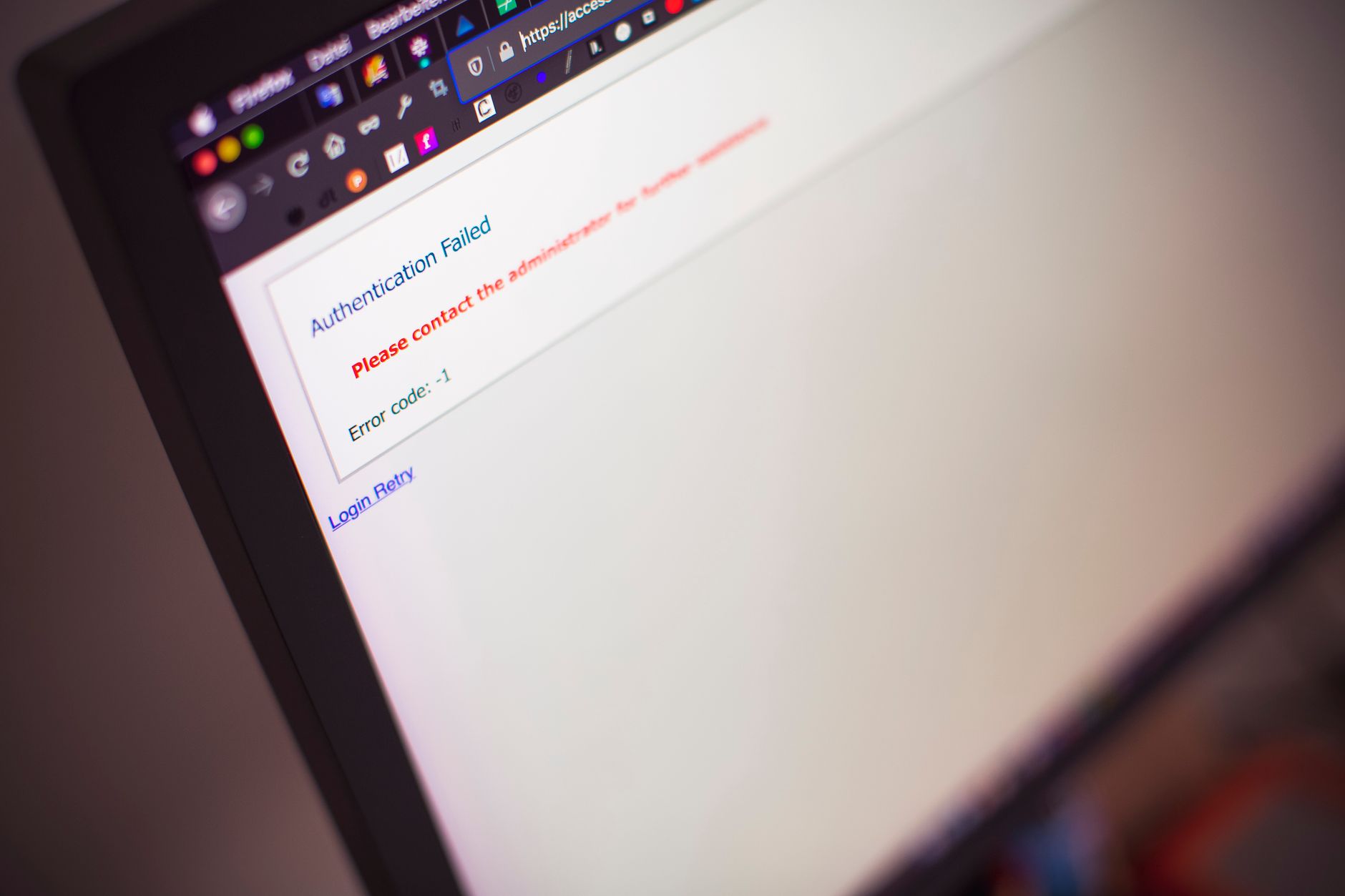
A sophisticated phishing campaign has been observed exploiting Microsoft 365's device code flow to gain unauthorized access to user accounts. The campaign, which ran from the last week of June into early July, utilized collaboration-themed lures to trick victims into compromising their credentials.

The attackers employed a technique that abuses the legitimate device code authorization flow within Microsoft 365. This method allows users to authenticate to a service on a device that may not have an easy way to enter credentials, such as a smart TV or a gaming console, by visiting a specific URL and entering a code displayed on the device.

In this campaign, threat actors directed victims to a fake Microsoft login page after they clicked on a phishing link embedded in a lure email. These emails often mimicked legitimate communications, potentially related to shared documents or collaboration tools, to appear more convincing.

Once a victim entered their Microsoft 365 credentials on the fraudulent page, the attackers would use these stolen credentials to initiate the device code flow. This process would then prompt the victim to visit a legitimate Microsoft authorization URL and enter a code provided by the attacker.

By completing this second step, the victim inadvertently grants the attacker's application access to their Microsoft 365 account. This grants the attacker a broad range of permissions, enabling them to potentially access emails, files, contacts, and other sensitive data stored within the Microsoft 365 environment.

The effectiveness of this method lies in its ability to bypass traditional multi-factor authentication (MFA) for the initial login, as the device code flow is designed to be a convenient authentication method. While MFA can still be a layer of defense, the attackers are leveraging a legitimate Microsoft process to gain an initial foothold.

The campaign was identified by researchers at ZeroBEC, who observed its activity during the specified timeframe. The use of collaboration-themed lures suggests an attempt to blend in with typical business communications, increasing the likelihood of success.

Organizations using Microsoft 365 should remain vigilant against phishing attempts. Implementing robust security awareness training for employees is crucial, emphasizing the importance of scrutinizing email content, sender addresses, and any requests for credentials or authentication codes.

Additionally, reviewing and restricting the types of third-party applications that can access Microsoft 365 accounts can help mitigate the impact of such attacks. Regularly auditing application permissions and disabling unnecessary ones is a recommended security practice.

phishing
← Back to latest

More News

view all →
zeroday.news · 2h ago·high

China-Linked APT Expands Arsenal With New ‘Leash’ Backdoors

A China-linked advanced persistent threat (APT) group, identified as LapDogs, has reportedly enhanced its malicious toolkit. Security researchers have observed the deployment of three new backdoors: LongLeash, DogLeash, and JarLeash, which are designed to compromise small office/home office (SOHO) routers.

zeroday.news · 2h ago·high

RedWing Android Spyware Sold as a Service on Telegram

A new Android spyware called RedWing is being offered as a service on Telegram, allowing less sophisticated attackers to compromise phones and steal banking information. Researchers have identified it as a polished malware-as-a-service operation with extensive documentation and a subscription model, potentially linked to Russian threat actors. RedWing employs fake login overlays, SMS interception, call forwarding, and even screen control to harvest credentials and conduct further malicious activities.

zeroday.news · 3h ago·high

Operationalizing Day Minus Seven: The Cloud-Native ROC

The article introduces the concept of a Risk Operations Center (ROC) as a necessary evolution for cybersecurity teams facing AI-driven threats. It argues that traditional risk management models are insufficient due to the speed at which AI can discover and exploit vulnerabilities, especially in cloud environments. A ROC, powered by platforms like Qualys Enterprise TruRisk Management (ETM), aims to unify disparate security findings, hyper-prioritize risks based on exploitability and business impact, and enable autonomous remediation to keep pace with attackers.

zeroday.news · 3h ago·critical

Ubiquiti Patches Critical UniFi Flaws Across Connect, Talk, Access, Protect, and OS

Ubiquiti has released security updates to address several critical vulnerabilities affecting its UniFi product line, including UniFi Connect, Talk, Access, Protect, and OS. These flaws could allow attackers to escalate privileges or execute arbitrary commands on affected devices. While no active exploitation has been reported for these specific vulnerabilities, the company has previously seen its UniFi OS and Edge OS products targeted by threat actors.

zeroday.news · 3h ago·high

Armored Likho Hits Government, Energy Sectors With BusySnake Stealer

Cybersecurity researchers have identified a new threat actor, dubbed Armored Likho, targeting government and energy sectors in Russia, Kazakhstan, and Brazil with a sophisticated phishing campaign. The operation utilizes a custom-built Python infostealer named BusySnake, designed to steal credentials, sensitive documents, and other high-value data. The attackers employ AI-generated payloads to obscure their activities and maintain persistence through various methods, including reverse SSH tunneling.

zeroday.news · 4h ago·critical

Attackers using Langflow flaw for credential harvesting (CVE-2026-55255)

CISA has issued a warning regarding a critical vulnerability (CVE-2026-55255) in the Langflow AI framework, which is being actively exploited by attackers. The flaw allows authenticated users to execute arbitrary flows belonging to other users, potentially leading to the theft of sensitive credentials and data exposure, especially in multi-tenant environments. US federal agencies have been mandated to patch this vulnerability by July 10th.