LIVE · cybersecurity feed
Live wire
CVE-2024-3094 · Connecting the Dots: Securing the Overlooked Corners of the Software Development Lifecycle (SDLC) Supply Chain14 Trojanized npm Packages Drop RedC2 4.0 Linux Backdoor With AI-Assisted C2Hundreds of leaked AWS keys give full control over corporate accountsAndroid Car Malware Spreads Through Built-In Updaters for Ad Fraud, Proxy BotnetMalware injected into popular Rust packages to steal developer credentialsSix Maximum-Severity Flaws Found in Cisco ProductsCritical Isolated-vm Vulnerability Leads to RCE on HostCISA orders feds to patch actively exploited TrueConf Server flawsCVE-2026-69836 · Critical Microsoft Entra ID vulnerability exploited in the wild (CVE-2026-69836)Fake Conferences, OAuth and WhatsApp: Inside Russia’s New Espionage Tactics
ai securitymedium

New CUSTODY Framework Constrains AI Agents Inside the Network

Jake Williams has introduced a new framework called CUSTODY designed to limit the actions of AI agents within an enterprise network. This release follows recent security incidents involving OpenAI and Hugging Face, highlighting concerns about the potential risks posed by autonomous AI systems.

zeroday.news ·

A new framework, dubbed CUSTODY, has been introduced by Jake Williams, aiming to constrain the actions of AI agents operating within an enterprise network. The framework’s release comes amid heightened industry attention to the security implications of autonomous AI systems, following recent incidents involving major AI platforms.

CUSTODY is designed to provide a structured approach to managing the permissions and operational scope of AI agents once they are deployed inside an organization’s network perimeter. The core concept appears to revolve around establishing clear boundaries and oversight mechanisms to prevent AI agents from exceeding their intended functions or accessing unauthorized resources. This is particularly relevant as AI agents become more sophisticated and capable of independent decision-making and action.

The technical mechanism of CUSTODY likely involves a combination of policy enforcement, access controls, and monitoring capabilities. For instance, it could leverage existing network segmentation techniques, identity and access management (IAM) principles adapted for AI entities, and behavioral analytics to detect anomalous activity. The framework would aim to define what an AI agent is permitted to do, what data it can interact with, and which network segments it can traverse.

This class of framework addresses a growing concern in cybersecurity: the potential for AI agents, if compromised or misconfigured, to act as an insider threat or an uncontrolled entity within a trusted environment. Unlike traditional software, autonomous AI agents can dynamically generate actions, making static security policies less effective. Therefore, a framework like CUSTODY would likely focus on continuous authorization and real-time policy evaluation.

The likely scope of application for CUSTODY extends to any enterprise deploying AI agents for tasks such as automation, data analysis, or operational support. Products in this category commonly include AI-powered chatbots, automated IT operations tools, and intelligent data processing systems. The framework would be particularly pertinent for organizations integrating AI agents that have broad network access or handle sensitive information.

Typical mitigation guidance for issues related to autonomous agents often includes robust authentication and authorization protocols, least privilege principles applied to AI entities, continuous monitoring for deviations from baseline behavior, and secure development lifecycle practices for AI models. Frameworks like CUSTODY aim to formalize these practices into a deployable and manageable system.

The introduction of the CUSTODY framework underscores a broader industry trend towards developing specialized security measures for AI and machine learning systems. As AI adoption accelerates and agents gain more autonomy, the need for dedicated security paradigms that go beyond traditional network and application security is becoming increasingly critical to manage the unique risks posed by these advanced technologies.


ai securityframeworkcybersecurityai agentsnetwork security
ShareXLinkedInWhatsAppFacebook

More News

view all →
breach

AWS Security makes an inscrutable choice

Quarantining leaked credentials is not good enough

cloud security

Cloudflare Launches Bot Preference Sync for AI Traffic Management

Cloudflare has introduced Bot Preference Sync, a new feature designed to simplify the management of AI bot traffic. This tool automatically updates a website's robots.txt file to align with the user's AI bot configuration settings. The goal is to prevent discrepancies between stated preferences and enforced rules, ensuring better control over how AI crawlers access and use website content.

ai

Say it once: introducing Bot Preference Sync

Cloudflare's new Bot Preference Sync automatically aligns your robots.txt file with your AI bot policies for Search, Agent, and Training. Easily manage which bots access your content without maintaining static files.

CVE-2024-3094high

Connecting the Dots: Securing the Overlooked Corners of the Software Development Lifecycle (SDLC) Supply Chain

Attackers are increasingly targeting the software development lifecycle (SDLC) supply chain by compromising developer tools, CI/CD pipelines, and open-source packages. Recent attacks like the ChainDrop npm worm demonstrate sophisticated methods to steal credentials, backdoor developer environments, and propagate malware. Securing the SDLC requires a shift from reactive code scanning to strict execution control and continuous visibility across developer endpoints, build pipelines, and cloud runtimes.

patch

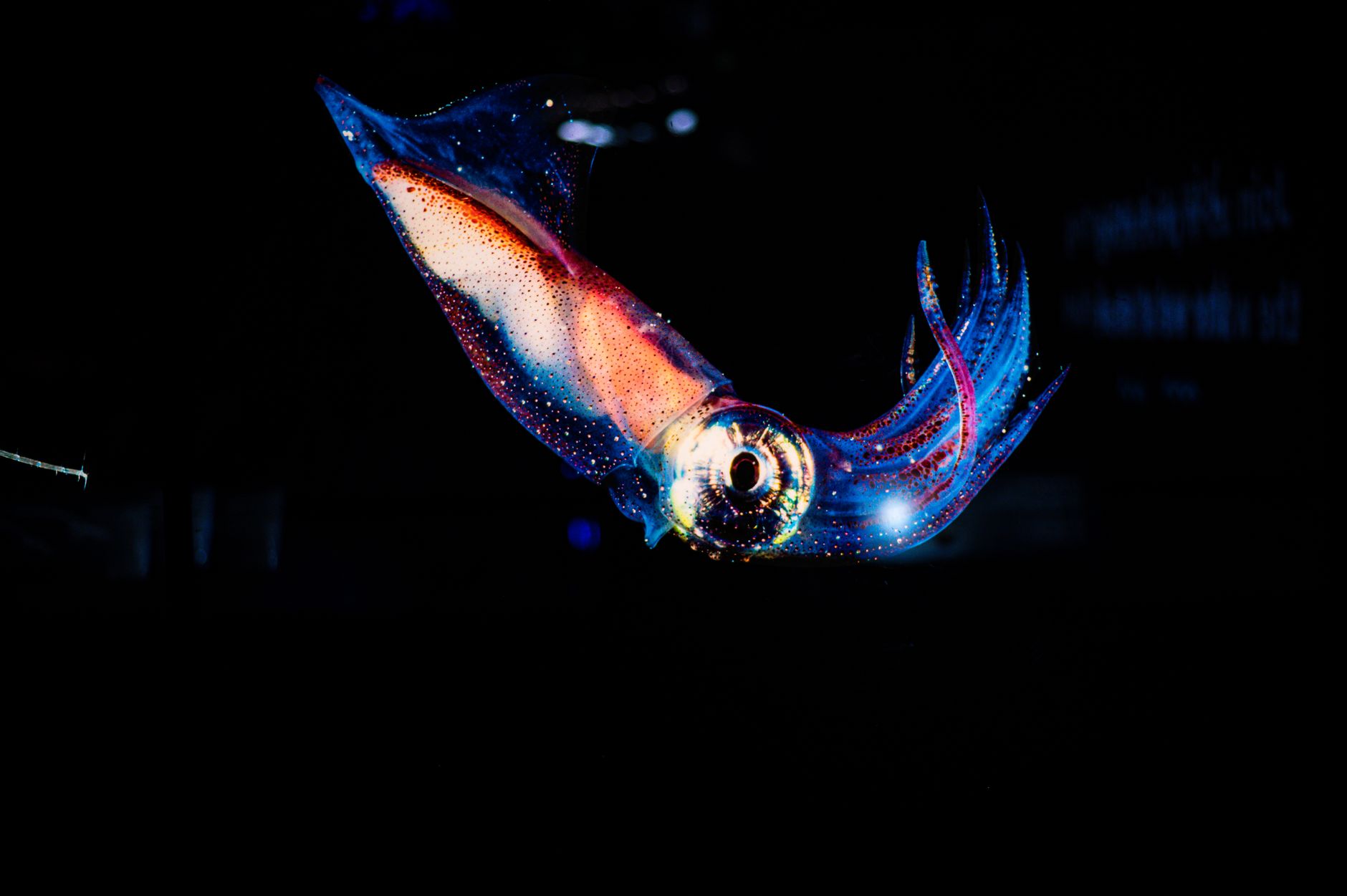
Friday Squid Blogging: Neon Flying Squid

The neon flying squid can fly in formation. The shoal of about 100 squid rose unexpectedly from a patch of the Pacific Ocean around 370 miles from Tokyo and glided near the boat for about 30 metres. The astonished researchers were the first to capture photographs of such a thing, which looked like the early stages of an alien invasion. They were probably neon flying squid (Ommastrephes bartramii),

security

Lawmakers call for investigation into impact of CISA staffing cuts

Lawmakers say little is known about how recent cuts have impacted CISA and how the knowledge that was lost has been replaced.