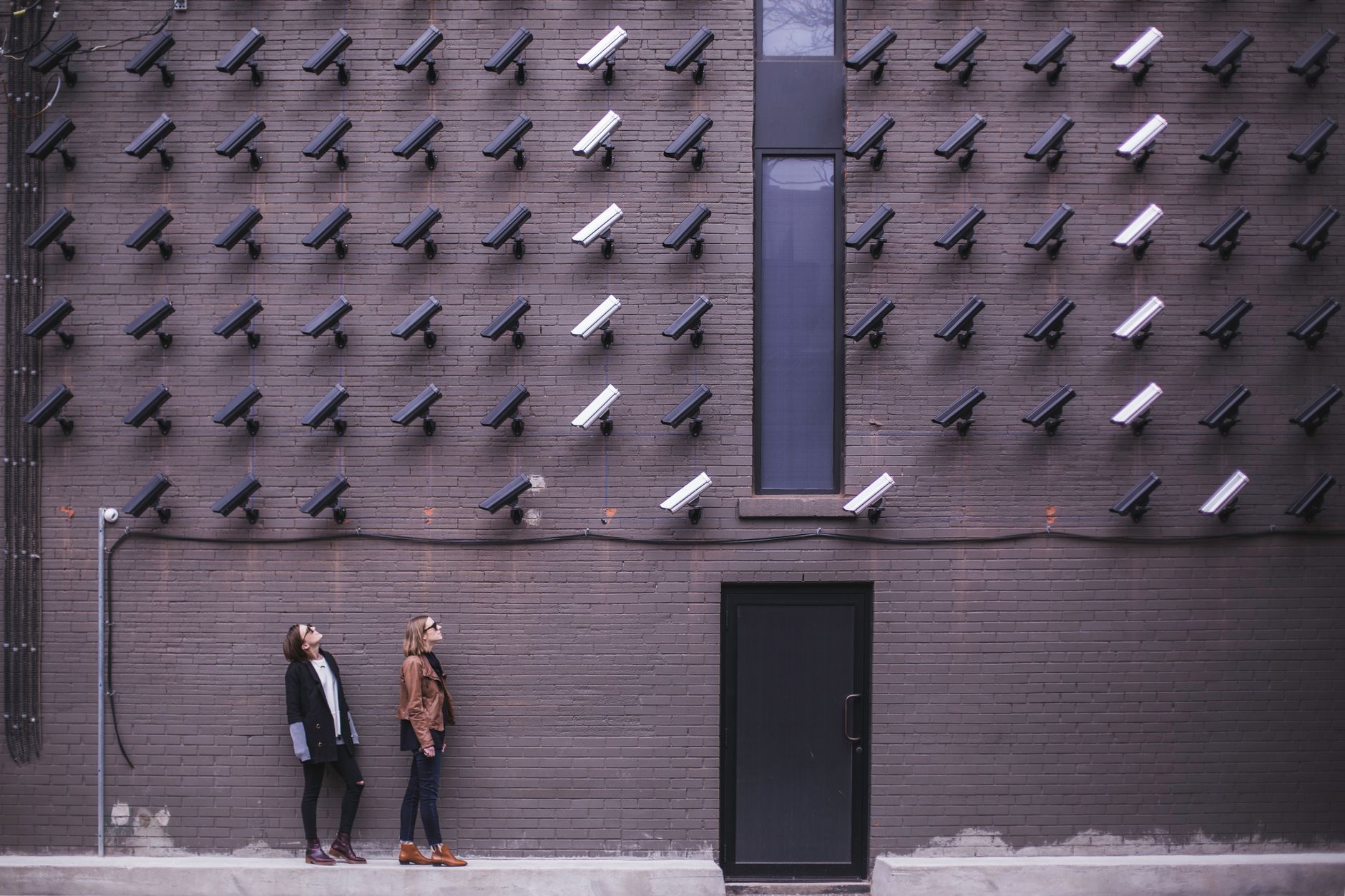
New York City lawmakers, joined by privacy advocates and musicians, are pushing for new legislation to restrict the use of facial recognition technology in public venues, specifically targeting Madison Square Garden (MSG). A rally held outside MSG on Friday saw City Council member Shahana Hanif lead chants of “ban the scan,” advocating for a bill she introduced in January that would prohibit such biometric recognition systems.
The proposed legislation, which has garnered 27 endorsements from the City Council, aims to address concerns over MSG's extensive use of biometric data collection. Reports indicate that MSG maintains a database of individuals, including fans critical of CEO James Dolan or the New York Knicks, and has been known to track their movements in detail within the venue. This tracking has included cataloging activities like conversations, meal times, and seating locations.
Hundreds of lawyers involved in disputes with Dolan or his properties have reportedly been banned from his venues. One incident cited involved a mother who was prevented from attending a show at Radio City Music Hall with her daughter due to such a ban. Furthermore, MSG is reported to maintain a database that assigns risk scores to approximately 400 celebrities and VIPs, with some dossiers allegedly including details on race and sexual orientation. MSG filed a defamation lawsuit against a publication that reported these details in July.
At the rally, Hanif was supported by Brooklyn-based country musician Paisley Fields, a representative from NYC DSA Tech Action, and members of the digital rights advocacy group Fight for the Future. Hanif stated that discussions are underway with Speaker Julie Menin to advance the "Ban the Scan" bill.
An MSG spokesperson defended the technology, stating that "People have been recognizing each other’s faces since the beginning of time—we just do it electronically." However, Hanif expressed concerns about the extent of surveillance, particularly given Dolan's reported relationship with former President Donald Trump. She emphasized that many New Yorkers may not fully grasp the scope of data collection they are subjected to by simply attending events at MSG or its associated venues, arguing that these tools, often marketed for safety, could compromise personal security.