LIVE · cybersecurity feed
Live wire
Critical Zimbra RCE flaw now actively exploited in attacksExploitation Expected for Critical Authentication Bypass Patched in Citrix NetScalerCVE-2026-19478 · Critical GitLab Flaw Exploited Shortly After DisclosureCVE-2026-32475 · Elementor Pro Flaw Could Let Unauthenticated Attackers Upload PHP and Execute Code8,539 reasons to rethink how vulnerabilities get patched'Not a theoretical risk,' feds warn as attackers use AI-made code to hack critical infrastructure controllersNSA, FBI warns of hackers using AI-generated tools in attacks on critical infrastructure technologyUS warns of AI-powered attacks on Siemens PLCs in critical infrastructureCVE-2024-39943 · Operation CameraSwarm Compromised 14,000+ Dahua CamerasCVE-2026-19490 · CVE-2026-19490: Critical Vulnerability Affecting Citrix NetScaler ADC and NetScaler Gateway
security

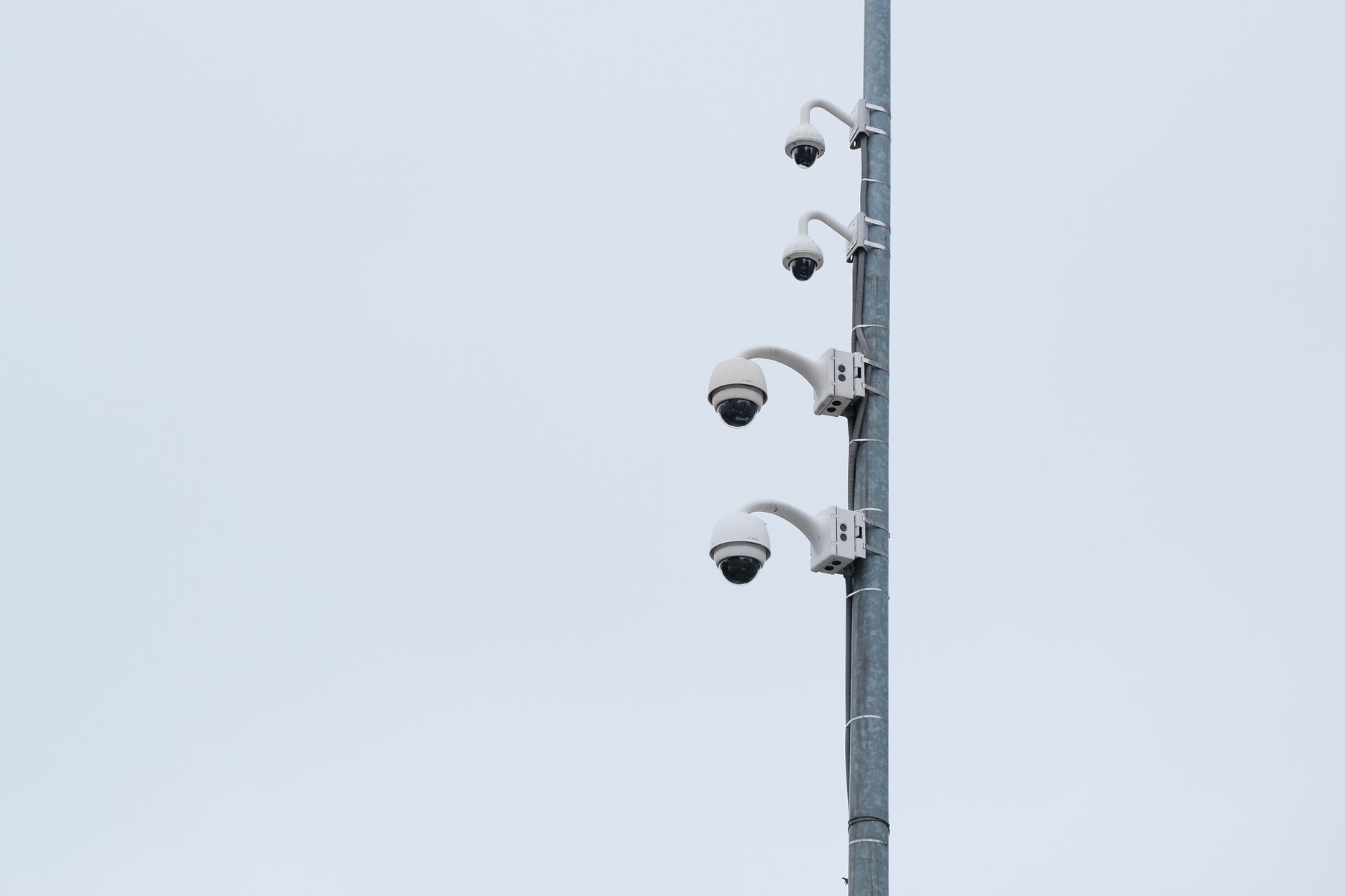
Police Are Hiding Their Use of Flock Surveillance Cameras

A usage policy for Flock license plate reader cameras tells police not to talk about the cameras: When cops use Flock to arrest someone in Wapello County, Iowa, they don’t want them to know. A usage policy for the automated license plate reader cameras in the county tells police, in no uncertain terms, to keep them a secret: “DO NOT MENTION ALPR USAGE TO THE OCCUPANTS OF THE VEHICLE,” the policy d

zeroday.news ·

Police departments in Wapello County, Iowa, are reportedly instructing officers to conceal their use of Flock automated license plate reader (ALPR) cameras from the public and in official reports. A usage policy document for these surveillance cameras explicitly directs officers not to inform vehicle occupants about ALPR usage.

The policy further states that ALPR usage should not be mentioned in police reports or complaints unless it is deemed "absolutely necessary." This directive suggests an effort to minimize the public record and awareness of the technology's deployment.

Flock Safety, the company behind the ALPR systems, markets its cameras as tools to assist law enforcement in solving crimes by capturing license plate information. However, the secrecy surrounding their use in Wapello County raises concerns about transparency and privacy.

Critics note that such policies echo past practices by law enforcement agencies regarding other surveillance technologies, such as IMSI-catchers (commonly known as Stingrays). In those instances, police departments went to considerable lengths to obscure their deployment and operational details.

The instruction to avoid mentioning ALPRs in reports could make it difficult for defense attorneys or the public to ascertain when and how the technology was used in specific cases, potentially impacting legal proceedings and oversight. The policy document itself serves as direct evidence of this internal directive within the Wapello County law enforcement.


ShareXLinkedInWhatsAppFacebook

More News

view all →
ai

Managing the cyber risk of agentic AI

Use safeguards, sandboxing and active oversight to realise the benefits of autonomous systems while limiting the unintended activity.

ai

OpenAI Overhauls Model Security With Sandboxing, 30-Minute Alerts, and Training Pauses

The action taken by OpenAI comes in light of the Hugging Face incident and the discovery of the Astra model’s advanced capabilities. The post OpenAI Overhauls Model Security With Sandboxing, 30-Minute Alerts, and Training Pauses appeared first on SecurityWeek.

malware

New Manic Android malware can exfiltrate data through nearby devices

A new Android malware named Manic targeting users in multiple European countries has a fallback data exfiltration mechanism that uses nearby infected devices. [...]

vulnerabilitycritical

Critical Zimbra RCE flaw now actively exploited in attacks

CERT Polska, the Polish Computer Emergency Response Team (CERT), warned that attackers have begun exploiting a critical vulnerability in Zimbra Collaboration Suite (ZCS). [...]

phishing

Def Con Attendees Targeted by Persistent Phishing Campaign

Huntress researcher explains how they were targeted by an elaborate and persistent phishing scam following Def Con

security

US Indicts 17 Iranians Over Years-Long Cyber Espionage Campaign

The US charged 17 Iranians over a years-long hacking campaign that stole 31TB from universities, companies and government agencies worldwide. Eight years after the original indictment first went public, US prosecutors just added eight more names to the list. The Justice Department unsealed a superseding indictment this week charging 17 members of the Mabna Institute, […]