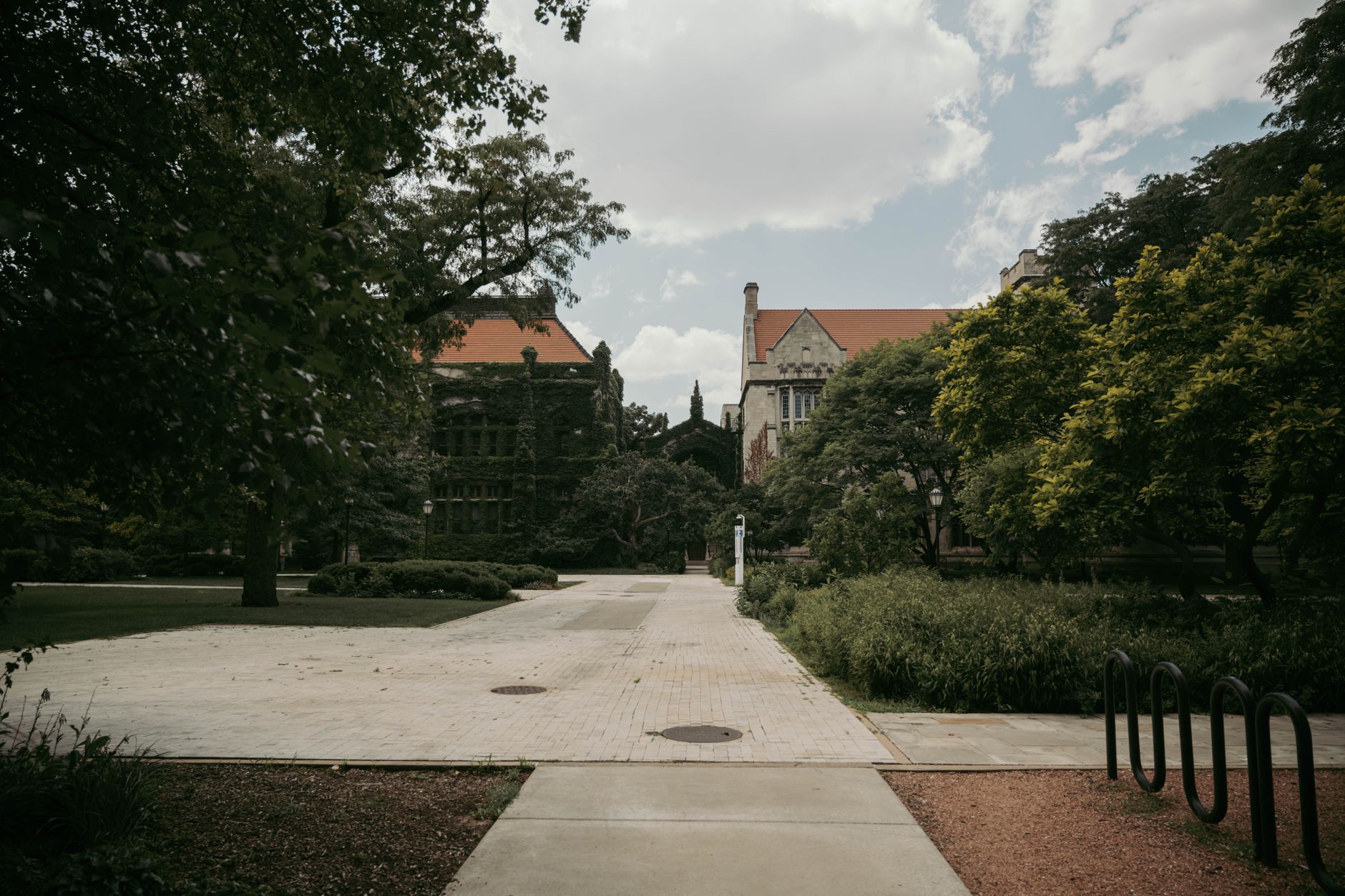
The University of Texas at San Antonio (UTSA) has taken several systems offline following a cyberattack detected over the weekend. The incident, announced Monday morning, has caused widespread disruptions as the university prepares for the start of classes on Wednesday.
Michael Schnabel, UTSA’s Chief Technology Officer, stated that threat activity was identified at the edge of the university's network. The IT team responded by taking certain systems, including phones, offline to contain the threat. Schnabel confirmed that the activity was contained before it could reach "core systems and University Technology Solutions."
As of the latest update, UTSA's ongoing investigation has found no evidence that university data was accessed or exfiltrated. The university, which serves 40,000 students across six campuses, has not disclosed specific details about which systems were impacted beyond phones.
The timing of the attack is particularly challenging, coinciding with the start of the academic year. Students rely on university systems for course registration, payment submissions, and other essential services. In response to the outages, UTSA has extended the deadline for student payments to Friday and adjusted waitlist procedures for courses.
Initially, the university announced plans for all students and teachers to reset their passwords. However, a Tuesday update indicated that this password reset effort was experiencing delays.
No hacking group has yet claimed responsibility for the attack. Educational institutions, particularly universities, are frequently targeted by cybercriminals at the beginning and end of academic terms, often with the goal of extorting ransom payments. Previous incidents have affected other large universities, including the University of Oklahoma, Stanford, and the University of Michigan, which faced ransomware attacks. The University of Pennsylvania experienced email system disruptions, while Columbia and Harvard Universities also reported attacks last year. In May, a cyberattack on a critical education software provider forced multiple U.S. universities to delay final exams.