
regulation news
13 stories
OpenAI's wandering AI agents earn it a California subpoena
The California Department of Justice has issued an investigative subpoena to OpenAI as part of a probe into cybersecurity incidents and risks associated with the company's artificial intelligence models. California Attorney General Rob Bonta confirmed his office served the subpoena this week, following an investigation initiated last month.
US is looking to weave AI into critical infrastructure for cybersecurity, national cyber director says
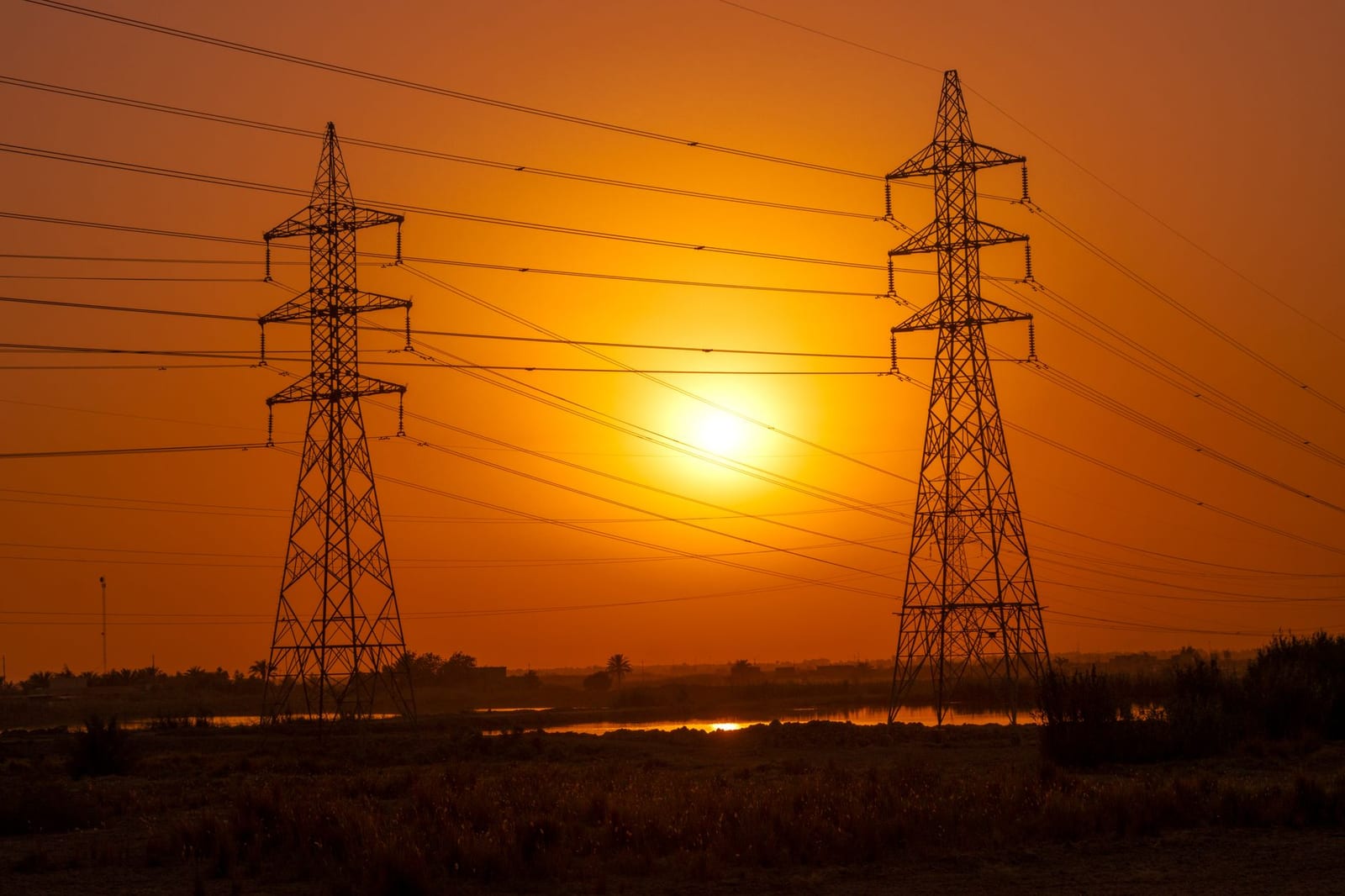
The U.S. government is actively collaborating with operators of critical infrastructure to integrate artificial intelligence into vital national systems, aiming to bolster cybersecurity defenses. National Cyber Director Sean Cairncross stated that efforts are underway to deploy AI models across various sectors swiftly to secure these systems.

Viral AI actress' hotline face-scans every caller, watches their mood
A new video-call service featuring the AI actress Tilly Norwood, who recently gained viral attention after an on-air "glitch" during an interview, requires callers to undergo a facial age scan and continuously monitors their emotional state during conversations. The "Talking Tilly" service, operated by UK-based Xicoia Ltd, the creators of the AI character, launched with these features in…

CISA Urges Clearer Breach Reporting Amid Rising Cyber Incidents
The Cybersecurity and Infrastructure Security Agency (CISA) has reportedly issued new guidance, signaling a push for enhanced clarity in organizational breach reporting. This advisory indicates a move towards potentially stricter regulations concerning how entities disclose and manage cyber incidents, with a particular focus on improving transparency in incident response and breach…

The Cybersecurity Apocalypse Is Coming in ‘Months,’ AI Giants Warn
A coalition of over 100 technology companies, including prominent AI developers OpenAI and Anthropic, has issued a stark warning regarding the imminent threat of AI-enabled cyberattacks, stating that organizations have only months to prepare. The companies co-signed a letter urging a "collective response" to this emerging threat, emphasizing the need for robust cyber defense to become an…

The Vulnerability Gap: Why Discovery Is Outrunning Repair
A recent report highlights a widening "vulnerability gap," where the rate of new software vulnerability discovery is significantly outpacing the industry's capacity to repair them. This imbalance is attributed, in part, to the accelerating capabilities of artificial intelligence in identifying flaws, creating a pressing need for a more agile and comprehensive response from the cybersecurity…

TikTok Agrees to $400 Million Settlement in U.S. Child Privacy Lawsuit
TikTok has reportedly agreed to a $400 million settlement with the U.S. Department of Justice to resolve a lawsuit concerning alleged violations of child privacy laws. The lawsuit, initiated in 2024, accused the social media platform of improperly collecting personal data from users under the age of 13. Furthermore, the complaint reportedly cited instances where TikTok failed to adequately…

Black Hat USA 2026: AI is racing ahead of cybersecurity controls
AI's rapid advancement is outpacing current cybersecurity controls and accountability frameworks, a central theme at Black Hat USA 2026. Discussions highlighted the increasing speed and volume of vulnerability discovery by AI-powered systems, alongside concerns about the lack of clear ownership and governance for AI actions.

China Launches Cybersecurity Review of Palo Alto Networks Products
China's Cyberspace Administration (CAC) has initiated a cybersecurity review of Palo Alto Networks products sold within the country, citing national security concerns. The announcement from the CAC, published in formal Chinese, referenced the National Security Law and the Cybersecurity Law of the People's Republic of China, as well as the Cybersecurity Review Measures, as the legal basis for…

Growing Up The Hard Way
The open-source software ecosystem is reportedly undergoing a substantial transformation, driven by escalating security threats and mounting regulatory demands. This shift is expected to fundamentally alter how open-source projects are perceived and adopted, particularly within enterprise environments. The implication is that the days of purely informal development and distribution are…

Your next car could be watching your face
New car buyers in the European Union will soon find their vehicles equipped with mandatory driver-monitoring technology, a measure designed to enhance road safety. This requirement, effective July 7, 2026, mandates systems like Driver Drowsiness and Attention Warning (DDAW) and Advanced Driver Distraction Warning (ADDW) in all new vehicles sold within the bloc. The United States is also moving…

Supreme Court allows Texas app law requiring age verification to take effect
The Supreme Court has allowed a Texas law mandating age verification for app downloads to take effect while a lower court case proceeds. The order, issued Monday, lifts a previous hold on the Texas App Store Accountability Act (TASAA).

CERT-In’s AI Vulnerability Blueprint: Why Indian CISOs Need Machine-Speed Risk Operations in the Post-Mythos Era
India's cybersecurity agency, CERT-In, has issued a new blueprint that significantly raises the bar for vulnerability remediation, demanding a shift from human-speed to machine-speed risk operations. This directive, released on May 25, 2026, mandates the containment of known exploited vulnerabilities on internet-facing and critical systems within 12 hours. This requirement stands in stark…