Your next car could be watching your face
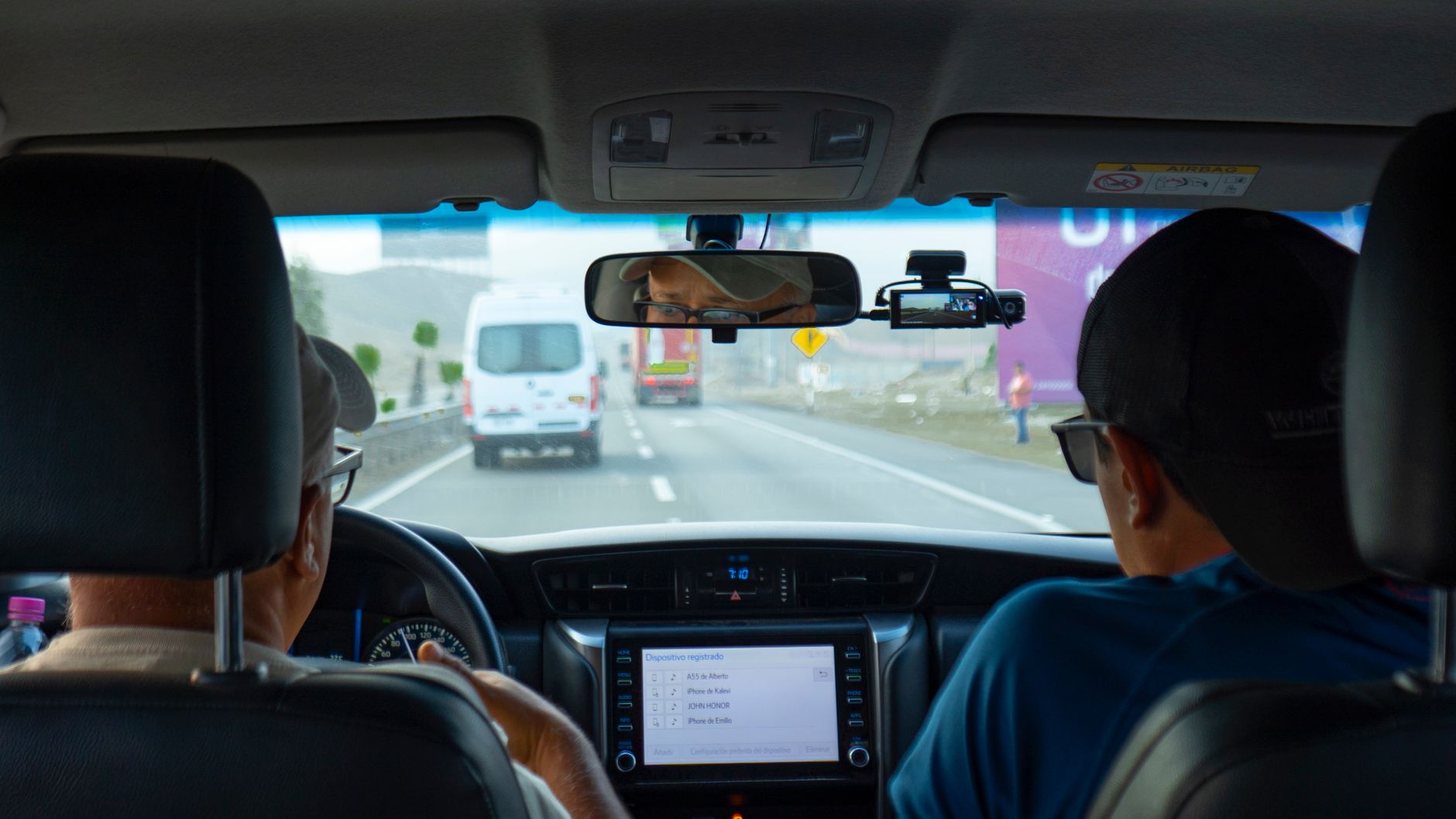
New car buyers in the European Union will soon find their vehicles equipped with mandatory driver-monitoring technology, a measure designed to enhance road safety. This requirement, effective July 7, 2026, mandates systems like Driver Drowsiness and Attention Warning (DDAW) and Advanced Driver Distraction Warning (ADDW) in all new vehicles sold within the bloc. The United States is also moving in a similar direction, with the National Highway Traffic Safety Administration (NHTSA) directed by the 2021 Infrastructure Investment and Jobs Act to develop regulations for advanced impaired driving prevention technology in new passenger vehicles.
While the specific implementation details are not yet finalized in the US, camera-based systems are widely anticipated. Many current technologies utilize infrared cameras to continuously monitor the driver's face and eyes for indicators of drowsiness, distraction, or potential impairment. This widespread adoption of monitoring technology, however, has sparked considerable debate among privacy advocates and civil liberties experts.

Key concerns revolve around the potential for constant biometric surveillance within the private space of a vehicle. Infrared cameras and other sensors can track eye movement, pupil dilation, and drowsiness patterns, effectively turning cars into environments where biometric data is perpetually assessed. This raises questions about who has access to this sensitive information and how it might be used.
Furthermore, the flow of data from these systems remains unclear, with worries that biometric data could be uploaded to manufacturer servers and potentially shared with third parties, such as insurance companies. While not explicitly mandated by law, critics fear this data could be used to adjust insurance premiums based on driving behavior, a practice that has precedents in other contexts.
Beyond privacy, the integration of these advanced systems is expected to increase vehicle costs, with estimates ranging from $100 to $500 per vehicle. This added expense is likely to be passed on to consumers already facing elevated car prices, despite the potential benefits to insurers through reduced accident claims.

Technical readiness and the potential for false positives are also significant concerns. Automakers worry that systems may not be fully reliable, leading to incorrect assessments of driver impairment. Poorly calibrated models could misinterpret fatigue, certain disabilities affecting eye or facial patterns, or even momentary distractions as impairment, potentially leading to the denial or limitation of vehicle operation.
Another area of concern is the evolving nature of these systems. Integrated into broader automotive software stacks, these monitoring technologies may receive over-the-air updates. This could lead to expanded monitoring capabilities after a vehicle has been purchased, without explicit consent or awareness from the owner.
Even organizations dedicated to road safety, like Mothers Against Drunk Driving (MADD), have voiced caution, emphasizing that vehicle technology standards must protect driver privacy and prevent the misuse of collected data for commercial or malicious purposes. Consumers looking to mitigate these risks when purchasing a new vehicle are advised to carefully review manufacturer privacy documentation, inquire about data retention and sharing practices, and disable optional features that may collect or share sensitive driver data.