LIVE · cybersecurity feed
Live wire
CVE-2026-88779 · Citrix NetScaler Flaw Exploited Before CVE PublicationCVE-2026-88779 · NetScaler CVE-2026-88779 Exploited Before PublicationCVE-2022-28368 · dompdf_project dompdf XSS flaw added to VulnCheck KEVCVE-2026-88771 · Week in review: Researcher breaks into Microsoft analytics service, NetScaler RCE 0-day exploitedWarlock Ransomware Still Exploits Year-Old SharePoint Flaws to Hit Critical InfrastructureShinyHunters Suspect Rey Reportedly Detained in Jordan, Helping FBI Identify Group MembersChina-Aligned TA419 Targets U.S. AI Policy Experts With Microsoft AitM PhishingCVE-2026-7273 · Zyxel GS1900 Switch Flaw Exploited, Now in EU CatalogueCVE-2026-102489 · Zammad Session Fixation Vulnerability Exploited Same Day as DisclosureCVE-2026-102490 · Zammad GmbH Zammad Vulnerability Exploited Same Day as Publication
security

Android 17 makes it harder for spyware to cover its tracks

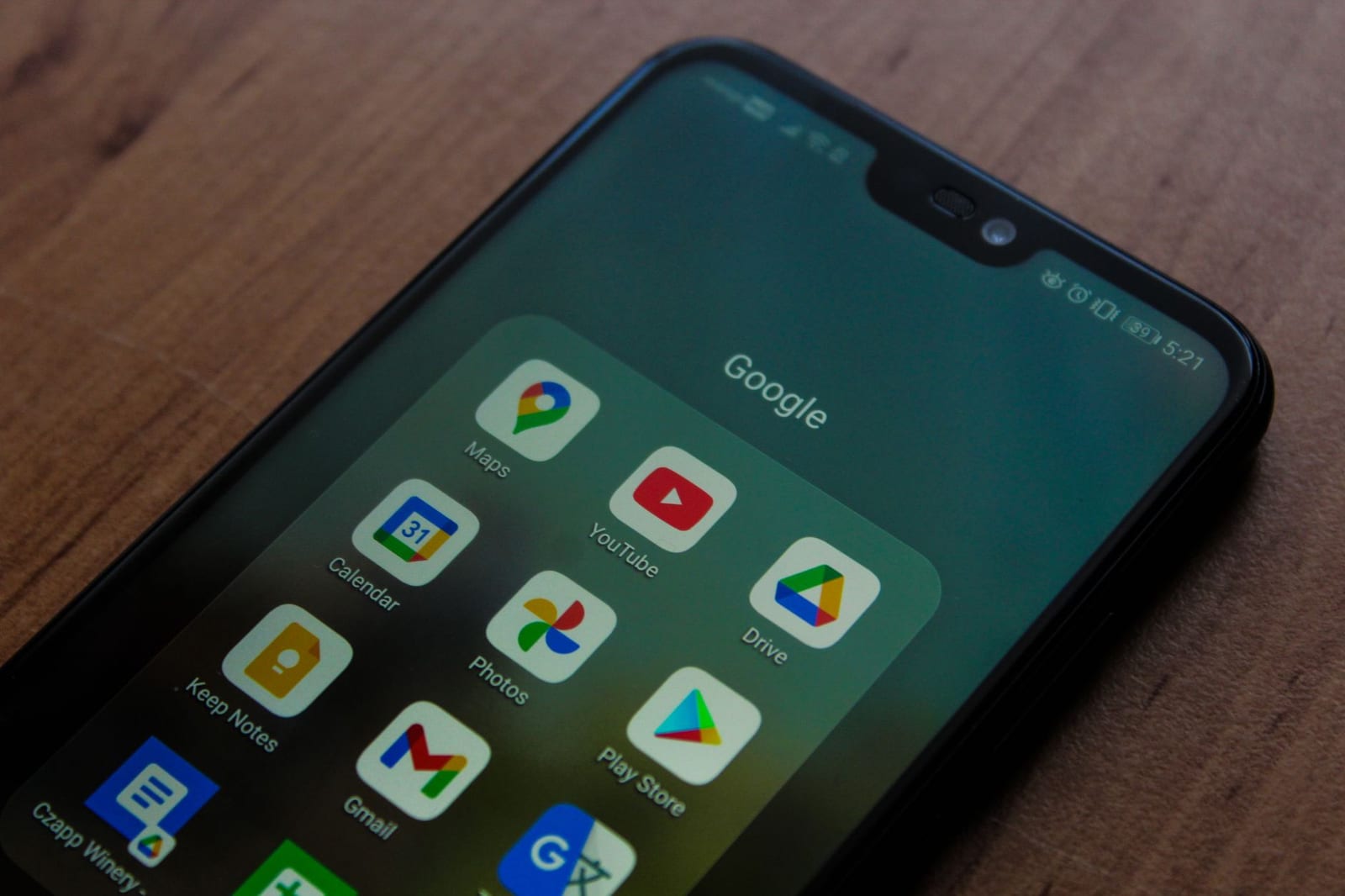
Google has introduced a suite of six new security features within its Advanced Protection program for Android 17, designed to enhance user defenses against sophisticated attacks, particularly from spyware. A key addition is a forensic logging capability that stores tamper-resistant, encrypted security and network event logs off-device, making it harder for attackers to erase their tracks.

ZeroDay News ·

Source: Help Net Security

Google has introduced a suite of six new security features within its Advanced Protection program for Android 17, designed to enhance user defenses against sophisticated attacks, particularly from spyware. A key addition is a forensic logging capability that stores tamper-resistant, encrypted security and network event logs off-device, making it harder for attackers to erase their tracks.

This new Intrusion Logging feature records app activity and network events, including activity within Chrome’s Incognito tabs, though it does not log specific pages visited. These end-to-end encrypted logs are stored on Google’s servers for a rolling 12-month period and cannot be manually deleted by either users or Google before their expiration, even if logging is disabled or an account is closed. Users can download and decrypt these logs to share with security experts for investigation. This optional feature requires a separate manual opt-in through the Advanced Protection settings. Google states it collaborated with civil liberties and press freedom organizations in developing this capability, which is described as a significant step for spyware accountability.

Beyond logging, Android 17’s Advanced Protection includes several device and browser protections. USB Protection, available on Pixel 6 and later models and select Android 17 devices, automatically blocks new USB data connections when the phone is locked. This aims to prevent unauthorized access via the charging port, while still allowing USB charging. Connections established while the phone is unlocked, such as for photo transfers, remain active after the screen locks.

The update also addresses the misuse of the AccessibilityService API, a common vector for fraud and scams. When Advanced Protection is enabled on Android 17, access to these services is automatically restricted to verified apps specifically classified as accessibility tools, thereby preventing malicious apps from exploiting them while preserving functionality for assistive technologies.

For browser security, Advanced Protection on Android 17 now disables WebGPU in Chrome. This technology allows websites to utilize a device’s graphics processor for complex tasks, including AI processing. Disabling it is intended to reduce exposure to advanced browser exploits. Additionally, Failed Authentication Lock, an existing Android theft protection feature that locks a device after repeated failed authentication attempts, is now integrated into Advanced Protection for selected Android 17 devices, helping to counter physical tampering and brute-force access attempts.

Finally, a new "View Supporting Apps" settings page provides transparency by showing users which installed applications check for the status of Advanced Protection. This allows developers to be notified when a user enables Advanced Protection, enabling their apps to automatically activate additional security and privacy features. Existing Advanced Protection users will receive notifications as these new capabilities become available on their devices.


ShareXLinkedInWhatsAppFacebook

More News

view all →
breach

Frontline Education Breach Impacts K-12 School District Staff

Frontline Education, a prominent software provider for K-12 school districts in the United States, has confirmed a data breach that exposed the personal information of school staff. The incident, which was discovered on August 14, 2026, stemmed from a vulnerability in a third-party software product utilized by the company.

vulnerability

Google halts open-source bug bounty program amid AI spam surge

Google has temporarily suspended submissions for product vulnerabilities to its Open Source Software Vulnerability Rewards Program (OSS VRP), effective October 1, 2026. The company cited a significant increase in automated submissions, most of which were deemed invalid, as the reason for the pause.

ai

Apple tightens macOS disk access as AI agents become more powerful

Apple is implementing stricter controls for Full Disk Access in macOS, citing an increased risk to user privacy from increasingly capable and autonomous AI agents. The company indicated that future macOS versions will require users to take explicit steps to grant applications this permission. A specific rollout date and the precise mechanics of these new controls have not yet been detailed.

nation-state

doxx.net opens Agentic Defined Networking public beta, raises $38 million

doxx.net has launched the public beta of its Agentic Defined Networking (ADN) platform, which enables users and their AI agents to establish private, secure networks and communicate without intermediary servers. The company also announced it has secured $38 million in Series A funding, led by Andreessen Horowitz, with additional participation from Animo Ventures and Focal.vc. As part of the…

vulnerability

AI slop submissions force Google to freeze its open-source bug bounty

Google has temporarily halted its Open Source Software Vulnerability Reward Program (OSS VRP) for new product vulnerability submissions, effective October 1, 2026. The company cited a substantial increase in automated, AI-generated reports, most of which were invalid, as the reason for the pause. This influx of low-quality submissions overwhelmed the engineers and open-source maintainers…

nation-state

Another OpenAI Safety Expert Quits and Raises New AI Safety Concerns

David Robinson, a veteran safety expert at OpenAI, has resigned from the company, citing concerns about its culture and rapid AI development model. Robinson, who was instrumental in authoring safety reports accompanying major product launches during his three-and-a-half-year tenure, stated that he believes the company's current trajectory is unacceptable.