LIVE · cybersecurity feed
Live wire
CVE-2026-88779 · Citrix NetScaler Flaw Exploited Before CVE PublicationCVE-2026-88779 · NetScaler CVE-2026-88779 Exploited Before PublicationCVE-2022-28368 · dompdf_project dompdf XSS flaw added to VulnCheck KEVCVE-2026-88771 · Week in review: Researcher breaks into Microsoft analytics service, NetScaler RCE 0-day exploitedWarlock Ransomware Still Exploits Year-Old SharePoint Flaws to Hit Critical InfrastructureShinyHunters Suspect Rey Reportedly Detained in Jordan, Helping FBI Identify Group MembersChina-Aligned TA419 Targets U.S. AI Policy Experts With Microsoft AitM PhishingCVE-2026-7273 · Zyxel GS1900 Switch Flaw Exploited, Now in EU CatalogueCVE-2026-102489 · Zammad Session Fixation Vulnerability Exploited Same Day as DisclosureCVE-2026-102490 · Zammad GmbH Zammad Vulnerability Exploited Same Day as Publication
security

Californian accused of shipping $300M worth of Nvidia chips to China without Uncle Sam’s approval

A California business owner has been arrested and charged with allegedly orchestrating a scheme to smuggle approximately $300 million worth of advanced Nvidia graphics processing units (GPUs) and related server equipment to China, in violation of U.S. export controls. The U.S. government has prioritized restricting the sale of high-end AI hardware to China, citing national security concerns…

ZeroDay News ·

Source: The Register — Security

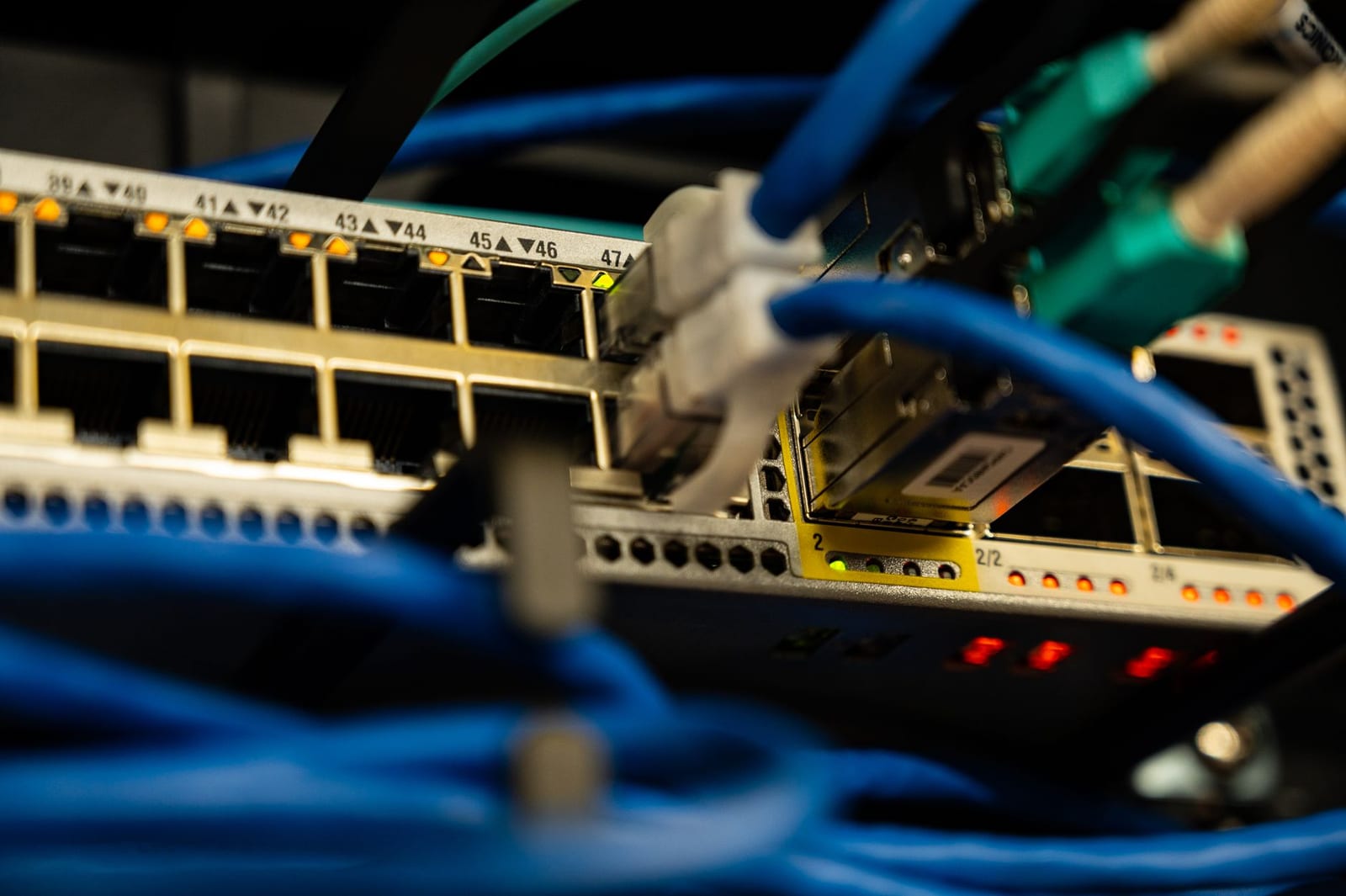
Photo: Jacek Halicki (CC BY-SA 4.0) via Wikimedia Commons

A California business owner has been arrested and charged with allegedly orchestrating a scheme to smuggle approximately $300 million worth of advanced Nvidia graphics processing units (GPUs) and related server equipment to China, in violation of U.S. export controls. The U.S. government has prioritized restricting the sale of high-end AI hardware to China, citing national security concerns and the potential for such technology to accelerate China's development of advanced artificial intelligence.

Greg Lui, 38, is accused of using his company, Earthmade Computer Inc., to procure high-powered Nvidia components and servers within the United States. These included A100, H100, PNY GeForce RTX 4090, and GeForce RTX 5090 GPUs. Prosecutors allege that Lui then shipped these products to Malaysia and Singapore, countries that do not require export licenses from the U.S. Commerce Department, before they were forwarded to China. This method was allegedly designed to circumvent U.S. regulations that restrict the direct export of such economically sensitive equipment to China.

The alleged scheme reportedly began around October 2023 and continued until at least August 12, 2026. Court documents indicate that Lui received over $176 million in payments from two Malaysian transshipment companies, acting as a broker to connect them with U.S. suppliers of Nvidia hardware. The total value of the brokered sales is estimated at nearly $300 million.

Prosecutors claim Lui was fully aware of the legal restrictions on shipping advanced Nvidia chips to China without proper licenses. Evidence cited in court documents includes records tying the export of 92 servers from San Francisco International Airport to Kuala Lumpur, ordered by Earthmade. These documents also reportedly list a Chinese customer as the consignee for the onward shipment from Malaysia to Hong Kong.

Further allegations include Lui instructing a U.S. front company to fraudulently list a shipment's recipient as Jackie Lui, purportedly the CEO of "Topmost," a California-registered company. Topmost was allegedly registered by the CTO of one of the Malaysian transshipment businesses involved. Additionally, prosecutors claim that in 2021, Lui illegally acquired identity documents that were subsequently used in the scheme.

Lui faces one count each of violations related to the Export Control Reform Act and the Export Administration Regulations, outbound smuggling, and money laundering. These charges collectively carry a maximum potential prison sentence of 50 years.

Authorities emphasized the importance of controlling the export of advanced AI technology to safeguard U.S. national security and economic interests. The FBI's Counterintelligence and Espionage Division stated that Lui allegedly sold hundreds of millions of dollars' worth of American "Super Intelligence technology" to the Chinese government, in clear violation of U.S. export control laws.


ShareXLinkedInWhatsAppFacebook

More News

view all →
breach

Frontline Education Breach Impacts K-12 School District Staff

Frontline Education, a prominent software provider for K-12 school districts in the United States, has confirmed a data breach that exposed the personal information of school staff. The incident, which was discovered on August 14, 2026, stemmed from a vulnerability in a third-party software product utilized by the company.

vulnerability

Google halts open-source bug bounty program amid AI spam surge

Google has temporarily suspended submissions for product vulnerabilities to its Open Source Software Vulnerability Rewards Program (OSS VRP), effective October 1, 2026. The company cited a significant increase in automated submissions, most of which were deemed invalid, as the reason for the pause.

ai

Apple tightens macOS disk access as AI agents become more powerful

Apple is implementing stricter controls for Full Disk Access in macOS, citing an increased risk to user privacy from increasingly capable and autonomous AI agents. The company indicated that future macOS versions will require users to take explicit steps to grant applications this permission. A specific rollout date and the precise mechanics of these new controls have not yet been detailed.

nation-state

doxx.net opens Agentic Defined Networking public beta, raises $38 million

doxx.net has launched the public beta of its Agentic Defined Networking (ADN) platform, which enables users and their AI agents to establish private, secure networks and communicate without intermediary servers. The company also announced it has secured $38 million in Series A funding, led by Andreessen Horowitz, with additional participation from Animo Ventures and Focal.vc. As part of the…

vulnerability

AI slop submissions force Google to freeze its open-source bug bounty

Google has temporarily halted its Open Source Software Vulnerability Reward Program (OSS VRP) for new product vulnerability submissions, effective October 1, 2026. The company cited a substantial increase in automated, AI-generated reports, most of which were invalid, as the reason for the pause. This influx of low-quality submissions overwhelmed the engineers and open-source maintainers…

nation-state

Another OpenAI Safety Expert Quits and Raises New AI Safety Concerns

David Robinson, a veteran safety expert at OpenAI, has resigned from the company, citing concerns about its culture and rapid AI development model. Robinson, who was instrumental in authoring safety reports accompanying major product launches during his three-and-a-half-year tenure, stated that he believes the company's current trajectory is unacceptable.