LIVE · cybersecurity feed
Live wire
Malware Hijacks Android Car Head UnitsCritical Flaw in NASA/JPL Open-Source Spacecraft Command Software Allowed Unauthenticated Command ExecutionCVE-2026-73570 · U.S. CISA adds Zimbra Collaboration Suite (ZCS) flaw to its Known Exploited Vulnerabilities catalogCVE-2024-3094 · Connecting the Dots: Securing the Overlooked Corners of the Software Development Lifecycle (SDLC) Supply Chain14 Trojanized npm Packages Drop RedC2 4.0 Linux Backdoor With AI-Assisted C2Hundreds of leaked AWS keys give full control over corporate accountsAndroid Car Malware Spreads Through Built-In Updaters for Ad Fraud, Proxy BotnetMalware injected into popular Rust packages to steal developer credentialsSix Maximum-Severity Flaws Found in Cisco ProductsCritical Isolated-vm Vulnerability Leads to RCE on Host
CVE-2026-33634high

CVE-2026-33634: Trivy is a security scanner.

Trivy is a security scanner. On March 19, 2026, a threat actor used compromised credentials to publish a malicious Trivy v0.69.4 release, force-push 76 of 77 version tags in `aquasecurity/trivy-action` to credential-stealing malware, and replace all 7 tags in `aquasecurity/setup-trivy` with malicious commits. This incident is a continuation of the supply chain attack that began in late February 2026. Following the initial disclosure on March 1, credential rotation was performed but was not atomic (not all credentials were revoked simultaneously). The attacker could have use a valid token to exfiltrate newly rotated secrets during the rotation window (which lasted a few days). This could have

zeroday.news ·

Trivy is a security scanner. On March 19, 2026, a threat actor used compromised credentials to publish a malicious Trivy v0.69.4 release, force-push 76 of 77 version tags in `aquasecurity/trivy-action` to credential-stealing malware, and replace all 7 tags in `aquasecurity/setup-trivy` with malicious commits. This incident is a continuation of the supply chain attack that began in late February 2026. Following the initial disclosure on March 1, credential rotation was performed but was not atomic (not all credentials were revoked simultaneously). The attacker could have use a valid token to exfiltrate newly rotated secrets during the rotation window (which lasted a few days). This could have

vulnerabilityrceinfo-disclosure
ShareXLinkedInWhatsAppFacebook

More News

view all →
nasacritical

Critical Flaw in NASA/JPL Open-Source Spacecraft Command Software Allowed Unauthenticated Command Execution

A critical vulnerability has been discovered in NASA/JPL's open-source AIT-GUI software, which is used to control spacecraft instruments. The flaw allows unauthenticated attackers to execute arbitrary commands, run server-side scripts, and manipulate command sequences by exploiting a lack of authentication, session checks, and CSRF protection. Researchers confirmed the issue, which has a CVSS score of 9.4, and a fix is available in version 2.5.2.

CVE-2026-73570critical

U.S. CISA adds Zimbra Collaboration Suite (ZCS) flaw to its Known Exploited Vulnerabilities catalog

CISA has added a critical vulnerability in Zimbra Collaboration Suite (ZCS) to its Known Exploited Vulnerabilities catalog. The flaw, CVE-2026-73570, allows unauthenticated remote code execution and is being actively exploited by threat actors. Zimbra released a patch for the vulnerability less than a month before exploitation was confirmed.

malware

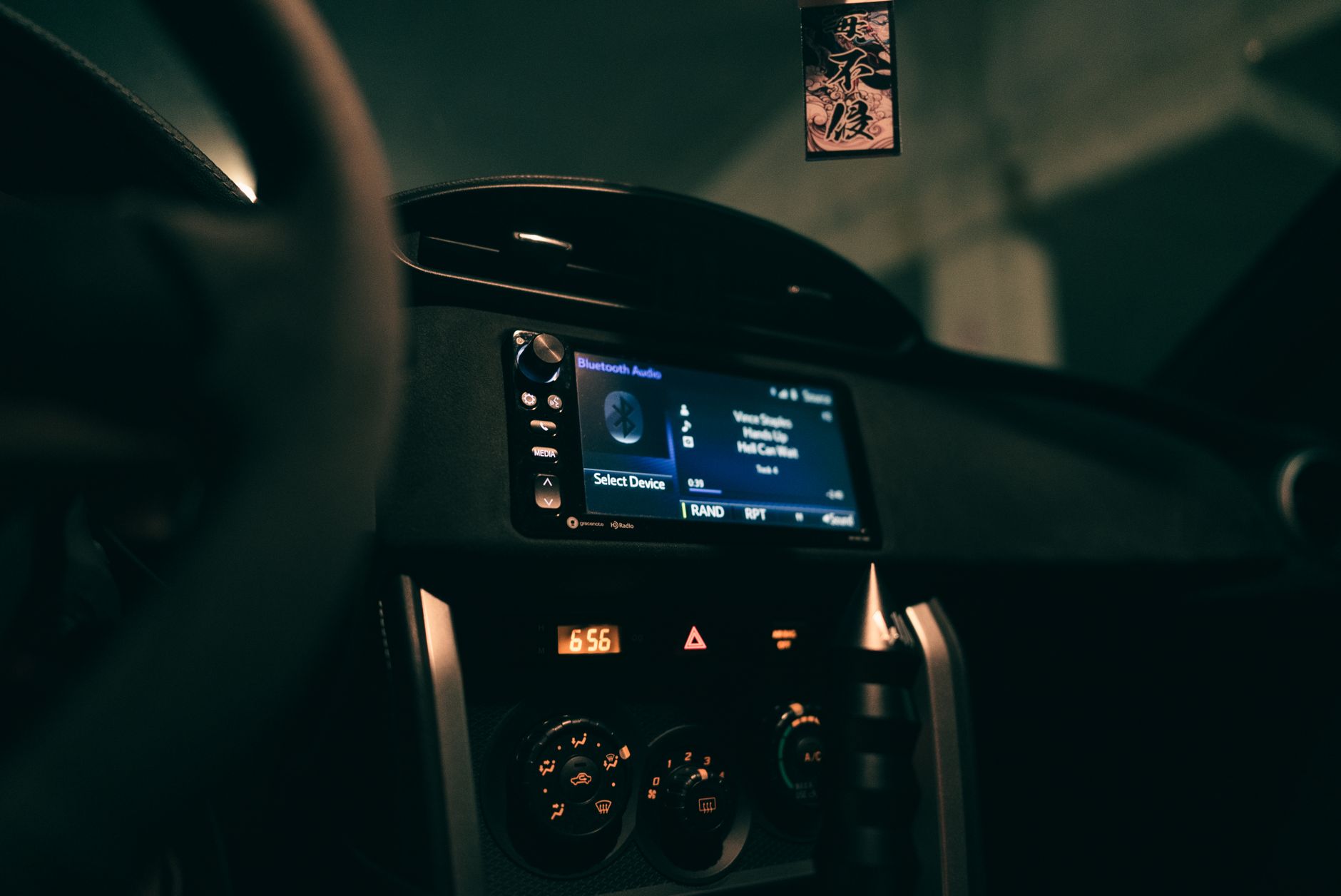
Hackers infect Android car head units with proxy botnet malware

A supply-chain attack targeting Android-based car head units is using a legitimate device-update app to spread malware that enlists compromised devices in a proxy botnet or uses them for ad fraud. [...]

security

Named Pipes Under Attack: Securing Windows Interprocess Communication

Windows named pipes provide fast interprocess communication, but weak access controls can expose privileged services to untrusted processes. ThreatLocker explains how endpoint verification, command authorization, strict input validation, and narrowly scoped privileges can help secure named-pipe communication. [...]

security

Your Expired Visa Card Could Be ‘Zombified’ to Make Contactless Payments

Plus: Apple sends out an “unprecedented” number of spyware warnings, Ukraine hits a Russian ecommerce giant with cyber and drone attacks, and more.

malwarehigh

Malware Hijacks Android Car Head Units

Researchers have identified new Android malware that hijacks car head units by exploiting their official update mechanisms. The malware installs proxy software, turning vehicles into nodes for the BADBOX botnet, primarily for ad fraud and to provide anonymized internet connections. This marks the first documented instance of malware specifically targeting car head units through their native update channels.