LIVE · cybersecurity feed
Live wire
CVE-2026-88779 · Citrix NetScaler Flaw Exploited Before CVE PublicationCVE-2026-88779 · NetScaler CVE-2026-88779 Exploited Before PublicationCVE-2022-28368 · dompdf_project dompdf XSS flaw added to VulnCheck KEVCVE-2026-88771 · Week in review: Researcher breaks into Microsoft analytics service, NetScaler RCE 0-day exploitedWarlock Ransomware Still Exploits Year-Old SharePoint Flaws to Hit Critical InfrastructureShinyHunters Suspect Rey Reportedly Detained in Jordan, Helping FBI Identify Group MembersChina-Aligned TA419 Targets U.S. AI Policy Experts With Microsoft AitM PhishingCVE-2026-7273 · Zyxel GS1900 Switch Flaw Exploited, Now in EU CatalogueCVE-2026-102489 · Zammad Session Fixation Vulnerability Exploited Same Day as DisclosureCVE-2026-102490 · Zammad GmbH Zammad Vulnerability Exploited Same Day as Publication
aimedium

DARPA Selects Xint to Use AI in Securing Military Messaging Apps

DARPA has reportedly selected Xint to develop artificial intelligence solutions aimed at identifying vulnerabilities within military messaging applications. This initiative is part of the broader AIxCC competition, an effort by the agency to advance the use of AI in cybersecurity. The primary goal is to enhance the security posture of critical communication tools used by the military.

ZeroDay News ·

Source: SecurityWeek

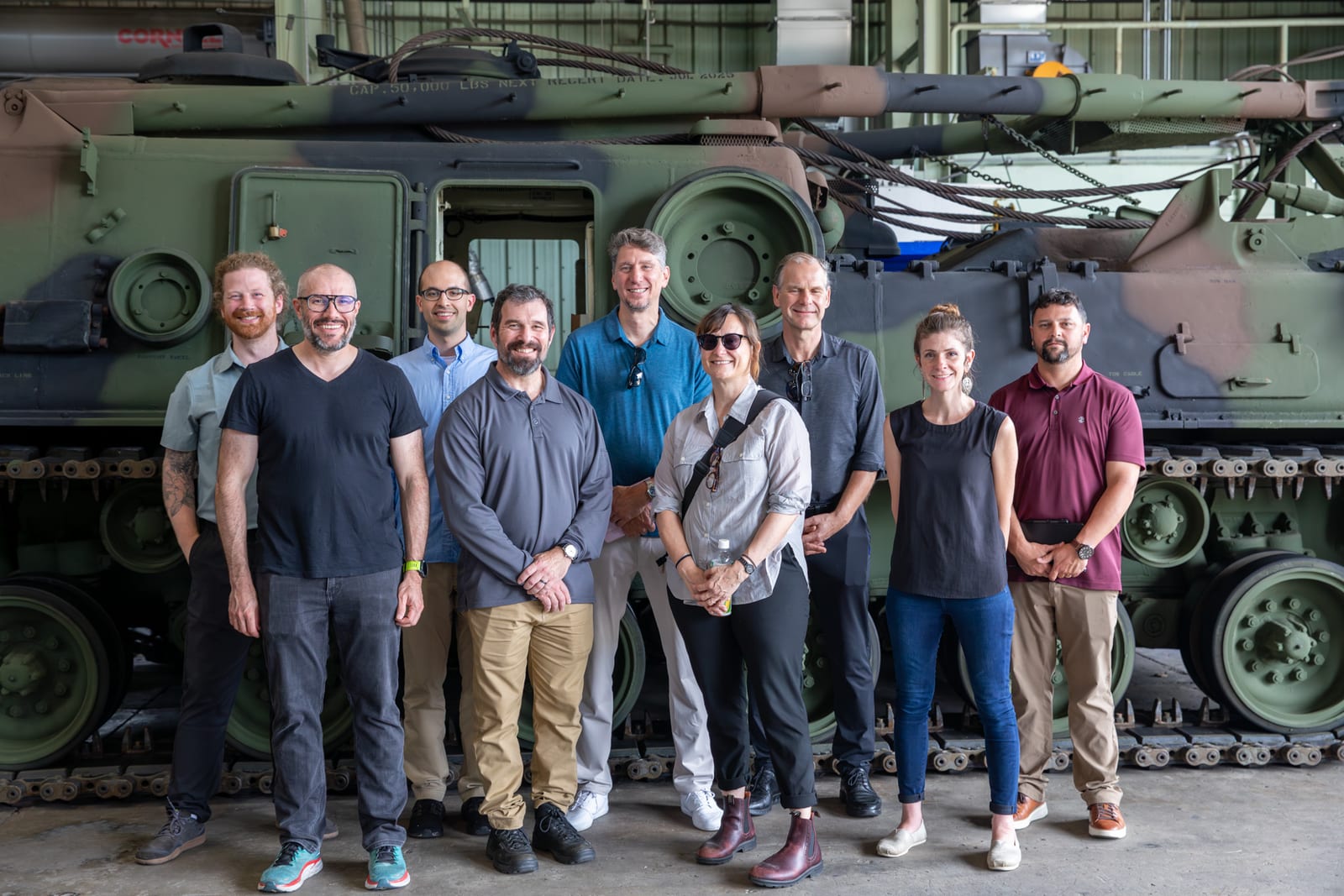
Photo: U.S. Army photo by Chong Min Pak (Public domain) via Wikimedia Commons

DARPA has reportedly selected Xint to develop artificial intelligence solutions aimed at identifying vulnerabilities within military messaging applications. This initiative is part of the broader AIxCC competition, an effort by the agency to advance the use of AI in cybersecurity. The primary goal is to enhance the security posture of critical communication tools used by the military.

The core of Xint's task involves deploying AI to automate the discovery of security flaws that might otherwise go unnoticed through traditional manual review or less sophisticated automated testing. Military messaging applications are often complex, handling sensitive data and requiring robust encryption and authentication mechanisms. Vulnerabilities in such systems could range from logic errors allowing unauthorized access to memory corruption issues enabling remote code execution.

The AI is expected to analyze application code, network protocols, and user interaction patterns to pinpoint potential weaknesses. This could involve techniques like static analysis, where the AI examines source code without executing it, or dynamic analysis, where it monitors the application's behavior during runtime. For instance, the AI might detect subtle deviations from secure coding practices, identify insecure deserialization flaws, or uncover race conditions that could be exploited.

Military messaging applications, like many secure communication platforms, are prime targets due to the high value of the information they transmit. They typically incorporate advanced cryptographic libraries, secure boot processes, and stringent access controls. However, even well-designed systems can harbor vulnerabilities introduced during development, integration, or configuration. The AI's role is to provide a more comprehensive and efficient method for uncovering these hidden flaws.

Mitigation for vulnerabilities in this class of applications generally involves rapid patching, secure development lifecycle practices, and continuous security auditing. For end-users, maintaining up-to-date software, using strong, unique passwords, and adhering to multi-factor authentication protocols are standard recommendations. The AI's contribution here is in proactively identifying issues before they can be exploited, thereby strengthening the foundation upon which these mitigations are built.

Beyond its immediate application in military contexts, the technology developed by Xint under this DARPA initiative is anticipated to have broader implications. The methodologies and tools refined for securing military messaging apps could potentially be adapted for commercial software security. This suggests a future where AI plays a more significant role in the automated discovery and remediation of vulnerabilities across a wide spectrum of digital products and services, enhancing overall cybersecurity resilience.


aicybersecurityvulnerability analysisdarpamessaging apps
ShareXLinkedInWhatsAppFacebook

More News

view all →
vulnerability

Google halts open-source bug bounty program amid AI spam surge

Google has temporarily suspended submissions for product vulnerabilities to its Open Source Software Vulnerability Rewards Program (OSS VRP), effective October 1, 2026. The company cited a significant increase in automated submissions, most of which were deemed invalid, as the reason for the pause.

ai

Apple tightens macOS disk access as AI agents become more powerful

Apple is implementing stricter controls for Full Disk Access in macOS, citing an increased risk to user privacy from increasingly capable and autonomous AI agents. The company indicated that future macOS versions will require users to take explicit steps to grant applications this permission. A specific rollout date and the precise mechanics of these new controls have not yet been detailed.

vulnerability

AI slop submissions force Google to freeze its open-source bug bounty

Google has temporarily halted its Open Source Software Vulnerability Reward Program (OSS VRP) for new product vulnerability submissions, effective October 1, 2026. The company cited a substantial increase in automated, AI-generated reports, most of which were invalid, as the reason for the pause. This influx of low-quality submissions overwhelmed the engineers and open-source maintainers…

nation-state

Another OpenAI Safety Expert Quits and Raises New AI Safety Concerns

David Robinson, a veteran safety expert at OpenAI, has resigned from the company, citing concerns about its culture and rapid AI development model. Robinson, who was instrumental in authoring safety reports accompanying major product launches during his three-and-a-half-year tenure, stated that he believes the company's current trajectory is unacceptable.

patch

Three questions a hospital CISO should ask a healthcare fintech vendor

A cybersecurity expert has outlined key questions hospital CISOs should pose to healthcare fintech vendors to assess their security posture, particularly concerning patient data and financial transactions. Drew McCombs, who holds both CTO and CISO roles at Cylerity, emphasizes that security should be an integral part of development processes, not an afterthought, especially when patient data…

breach

Frontline Education Breach Impacts K-12 School District Staff

Frontline Education, a prominent software provider for K-12 school districts in the United States, has confirmed a data breach that exposed the personal information of school staff. The incident, which was discovered on August 14, 2026, stemmed from a vulnerability in a third-party software product utilized by the company.