
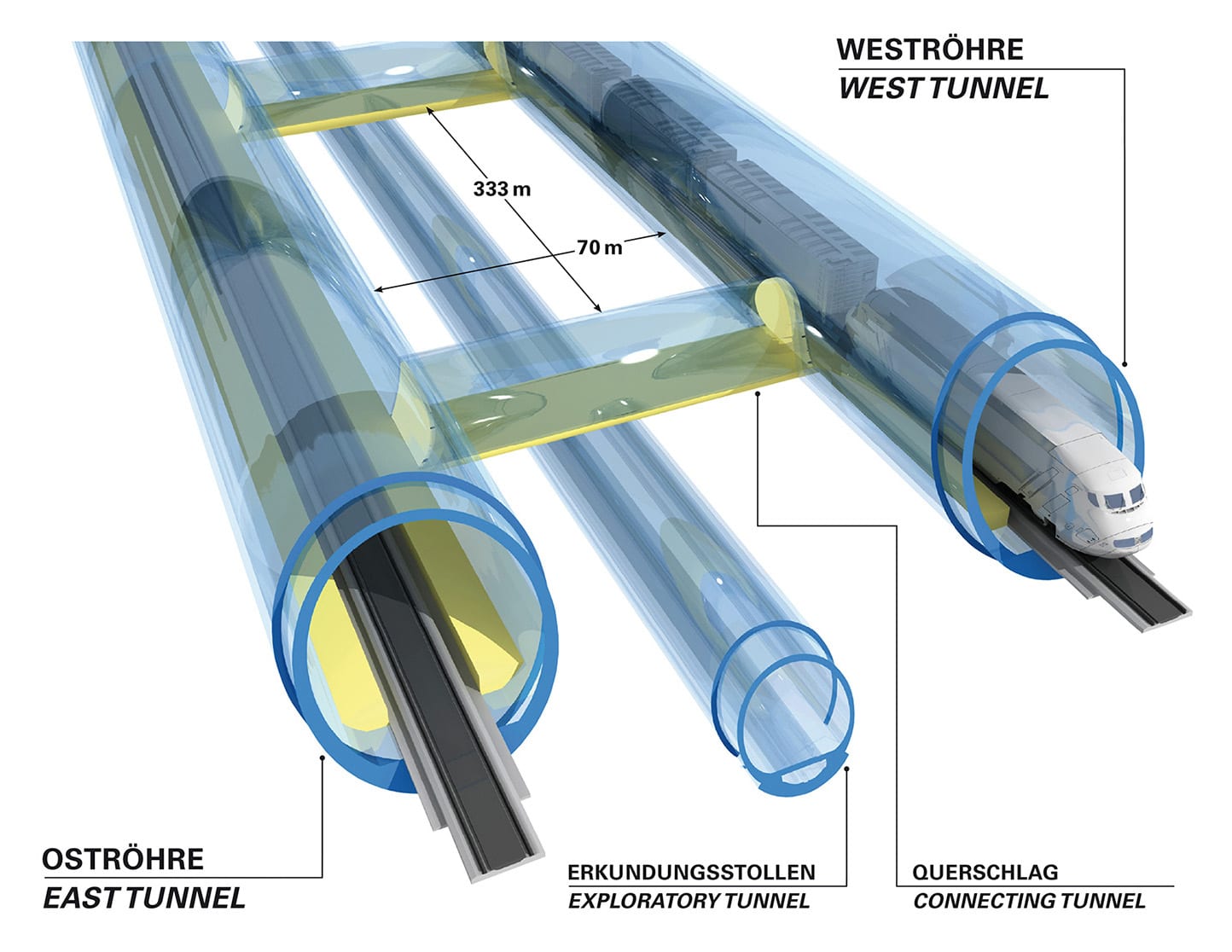
Brenner Base Tunnel (BBT) SE, the entity responsible for the construction of the major rail infrastructure project connecting Italy and Austria, has confirmed that it suffered a data breach involving unauthorized access to its internal systems. The incident, which was first reported by the Austrian press on November 6, 2026, is currently under investigation by authorities and external forensic experts.
The extortion group known as Everest has claimed responsibility for the intrusion, asserting that it successfully exfiltrated 812 gigabytes of data. However, BBT SE has not verified the scope or the volume of the stolen information. Security analysts have noted that extortion groups frequently inflate the scale of their claims to maximize impact, and the figure provided by the attackers remains unconfirmed.
According to the timeline established by the reports, the unauthorized activity is believed to have occurred around mid-October, with the attackers specifically citing October 17 as the date of the breach. BBT SE has officially stated that the incident has not disrupted the project’s operations. The company confirmed that the affected systems have been isolated to contain the threat while the investigation proceeds.
Despite concerns regarding the sensitivity of the stolen files, there is currently no evidence to suggest that the attackers gained access to industrial control systems or the tunnel’s operational functions. BBT SE has not reported any system encryption, which distinguishes this incident from typical ransomware attacks that aim to halt infrastructure operations.
The potential impact of the breach remains a subject of analysis. If the stolen data includes technical drawings, site surveys, or internal procedures, such information could theoretically be used for reconnaissance or to facilitate social engineering attacks against the company’s contractors. However, because the tunnel is not scheduled to open until 2034, experts suggest that much of the documentation may be outdated or subject to significant design changes, limiting its utility for malicious actors.
The Everest group is identified as a Russian-speaking cybercriminal organization. While their linguistic background and operational environment are clear, there is no evidence linking the group to state-sponsored activity or direction from the Russian government. The group has a history of targeting various industries, including a previous incident involving the use of stolen credentials to access a supplier’s platform for the rail manufacturer Stadler Rail.
In response to the breach, security professionals emphasize the importance of standard defensive measures. These include auditing the specific files accessed, revoking potentially compromised credentials, and ensuring that document management systems are strictly segmented from industrial networks. Organizations are also advised to communicate with suppliers to mitigate the risk of fraudulent requests stemming from the stolen information.
Authorities and the company are continuing their assessment of the situation. As the investigation continues, observers caution against speculative narratives regarding the incident, noting that alarmist reactions often serve the interests of the attackers by amplifying the perceived success of their propaganda efforts. Further clarity on the nature of the stolen data and the long-term risks to the project is expected as the forensic analysis concludes.




