LIVE · cybersecurity feed
Live wire
CVE-2026-103898 · Wpmet wp_social_login_and_register_social_counter Flaw Exploited Upon DisclosureCVE-2026-116512 · weDevs wp_project_manager Flaw Exploited Before CVE PublicationCVE-2026-119096 · Uncanny Toolkit for LearnDash Improper Authentication Exploited on DisclosureCVE-2010-20125 · DedeCMS Vulnerability CVE-2010-20125 Exploited On Day Of DisclosureCVE-2015-20130 · Netsweeper Improper Neutralization Flaw Exploited Upon DisclosureCVE-2025-31704 · Dahua Intelligent Connection Center Flaw Exploited on Day of DisclosureCVE-2026-103039 · Gravity Forms Deserialization Flaw Exploited Upon DisclosureCVE-2026-118539 · Drupal Commerce Core Access Bypass Exploited Before CVE PublicationThe Fridge-Hacking Spree Is an Internet-of-Things Wake-Up CallCVE-2026-19868 · U.S. CISA adds SonicWall SonicOS SSLVPN flaw to its Known Exploited Vulnerabilities catalog
breach

FBI touts another ShinyHunters arrest in response to data breach

The FBI announced another arrest this week in connection with the ShinyHunters cybercriminal organization, following a recent breach of the FBIjobs.gov domain. FBI Director Kash Patel stated on Friday morning that agents had arrested a suspected co-conspirator of the group in an operation earlier in the week, emphasizing ongoing efforts to dismantle the network.

ZeroDay News ·

Source: The Record

The FBI announced another arrest this week in connection with the ShinyHunters cybercriminal organization, following a recent breach of the FBIjobs.gov domain. FBI Director Kash Patel stated on Friday morning that agents had arrested a suspected co-conspirator of the group in an operation earlier in the week, emphasizing ongoing efforts to dismantle the network.

This latest arrest, reportedly conducted in Pennsylvania and involving a Canadian national, is the third in recent weeks. On September 28, Saif al-Din Khader was arrested in Jordan. Khader, previously identified by journalists and researchers as a key ShinyHunters member, is reportedly cooperating with law enforcement to locate other members. Prior to that, the FBI and Dutch National Police announced the arrest of Pepijn van der Stap, another alleged member of the group.

The arrests follow a significant breach where ShinyHunters claimed to have taken over the FBIjobs.gov domain, defaced it, and stolen sensitive data on nearly all FBI employees. The group shared samples of the stolen data with news outlets, asserting they had obtained information including medical records, home addresses, phone numbers, and work areas within the FBI. The breach also reportedly exposed thousands of records belonging to local police officers collaborating with the FBI on task forces. The FBI issued an internal memo last week, warning employees about the breach and potential risks to them and their families.

The FBI reportedly traced the breach to an unidentified contractor at Accenture who failed to patch a vulnerable system. That contractor was subsequently fired this week. ShinyHunters, however, previously claimed to have breached the FBI through a vulnerability in Oracle software, which cybersecurity experts had highlighted in June.

The cybercriminal group initially boasted about the attack but later indicated they would not release the stolen information, stating they did not wish to escalate a feud with the FBI. They claimed this dispute began over an advisory from the FBI regarding their activities that they disagreed with.

In response to law enforcement actions, the FBI has reportedly taken down much of ShinyHunters' infrastructure over the past two weeks, hindering their efforts to restore platforms. The group moved its operations to Telegram this week but posted a message on Friday morning indicating they would not remain active on the platform much longer due to reported arrests of several members by the FBI.

breach
ShareXLinkedInWhatsAppFacebook

More News

view all →
breach

Inside ARTEX: AI Hacking Tools, Exposed Servers and South Korean Bank Breaches

A series of cyberattacks between late September and early October 2026 resulted in the compromise of seven South Korean financial institutions. The breaches led to the exposure of sensitive personal, employment, income, and loan-related data belonging to approximately 66,000 individuals and 2,200 corporations. Security researchers have linked these incidents to the use of an open-source…

CVE-2026-103898high

Wpmet wp_social_login_and_register_social_counter Flaw Exploited Upon Disclosure

The Wpmet wp_social_login_and_register_social_counter plugin vulnerability CVE-2026-103898 was identified as exploited on the same day it was published.

CVE-2026-116512high

weDevs wp_project_manager Flaw Exploited Before CVE Publication

The weDevs wp_project_manager plugin was identified as under exploitation one day before the CVE was officially published, leaving users with no patch window.

CVE-2026-119096high

Uncanny Toolkit for LearnDash Improper Authentication Exploited on Disclosure

The Uncanny Toolkit for LearnDash plugin was identified as exploited on the same day its CVE was published, leaving no window for remediation.

finance

Hackers pull off $133 million French bank heist via service provider

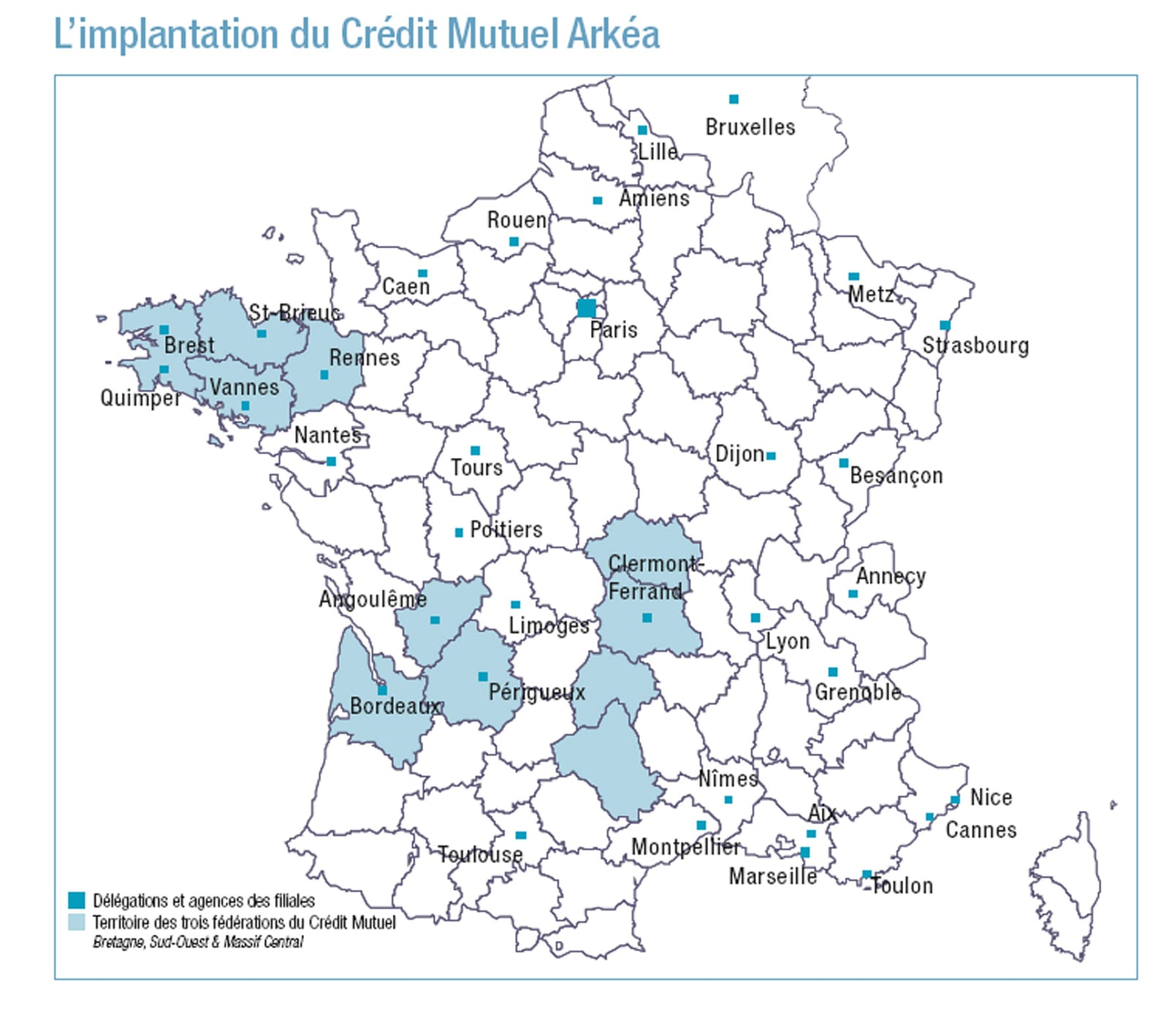
The French cooperative banking group Credit Mutuel Arkea has confirmed it was the target of a sophisticated cyberattack that resulted in unauthorized financial transactions. While the bank has not officially verified the exact figure, independent investigators have estimated the total loss at approximately 118 million euros, or 133 million dollars. The incident, which came to light following…

security

CTM360 Exposes Fake Gift Card Scams Exploiting Trusted Brands

A surge in fraudulent gift card campaigns is currently targeting consumers by weaponizing the reputations of major global retailers. Security researchers at CTM360 have identified over 1,000 distinct incidents where threat actors impersonate well-known brands, including Amazon, Walmart, Sephora, SHEIN, and PlayStation. These campaigns are designed to exploit consumer trust through…