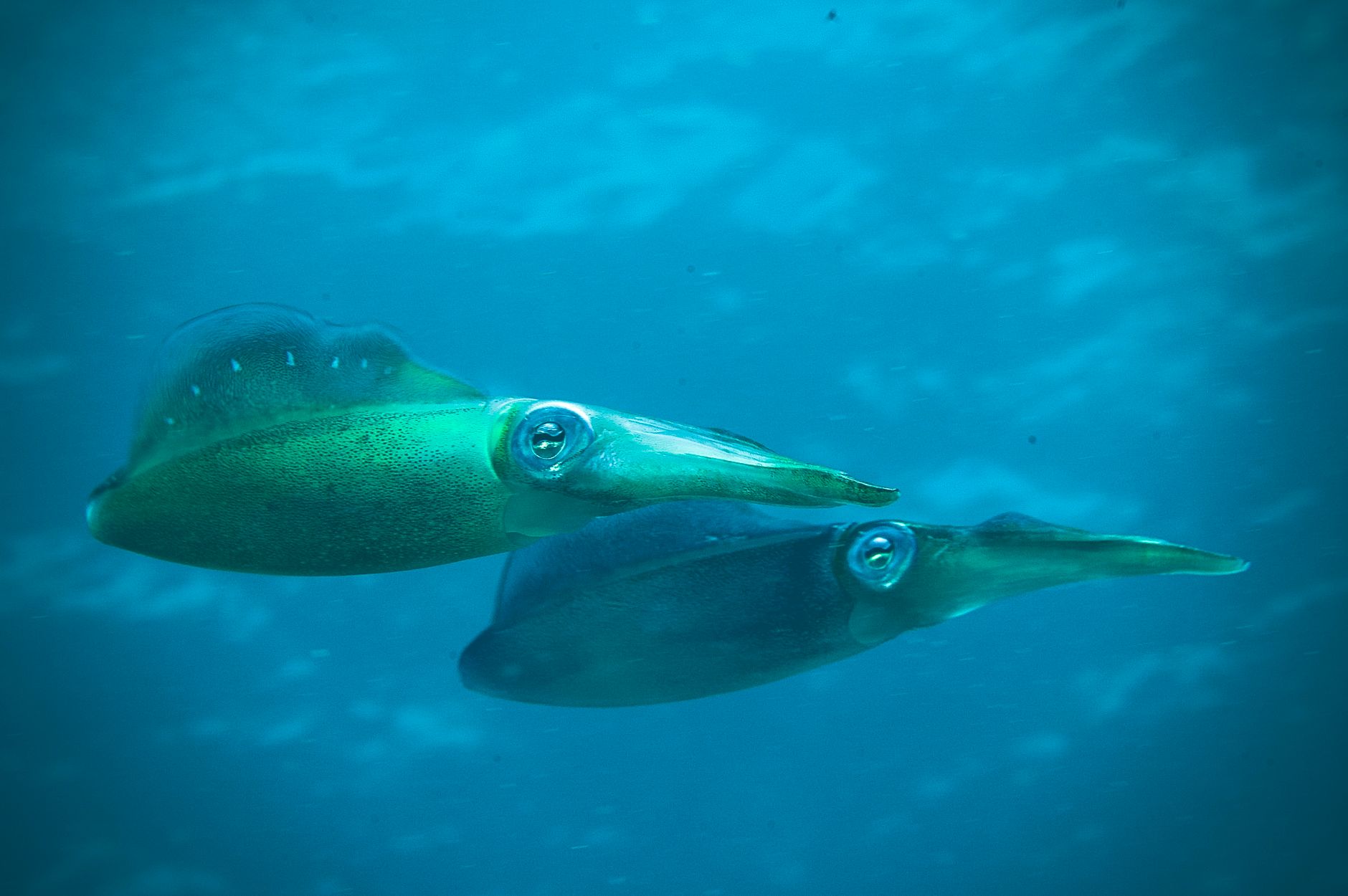
A novel microscope system, dubbed "the Squid," played a pivotal role in the recent discovery of 31 new marine species during a two-week scientific expedition. The device, a spinning-wheel confocal microscope, utilizes lasers to provide real-time, high-resolution scans of microscopic biological structures.
According to expedition participant Osborn, the Squid's onboard capabilities significantly accelerate the observation process. Traditionally, analyzing cellular interactions and skeletal formation would require several weeks of laboratory preparation, including staining and mounting samples. The new technology allows researchers to observe these intricate biological processes live on the research vessel.
This immediate visualization capability has opened new avenues for marine exploration, enabling scientists to directly observe cellular interactions, material exchange, and skeletal development as they occur. The expedition's success in identifying dozens of previously unknown species underscores the impact of this technological advancement in biological research.
While the expedition yielded a substantial number of new species, it has not been confirmed whether any of the discoveries include new species of squid. The focus of the reports is on the microscope's contribution to the broader field of marine biology.