A comprehensive analysis of over 45 million devices across 30,000 critical infrastructure sites has revealed that consumer electronics are frequently bypassing established network segmentation protocols. Research conducted by Claroty indicates that devices ranging from gaming consoles and smart speakers to electric vehicles are routinely connected to production networks rather than isolated guest networks. This trend creates significant security risks, as these consumer-grade devices can serve as entry points for attackers to pivot toward sensitive operational technology (OT), medical equipment, and building management systems.
The study highlights a distinct pattern in how different categories of consumer hardware are managed. Roku streaming sticks and smartwatches were generally found on guest networks, suggesting that administrators are more likely to isolate devices that lack a clear business justification. Conversely, Sonos speakers were frequently located on internal networks, likely due to the functional requirement that they share a network segment with the mobile devices used to control them.
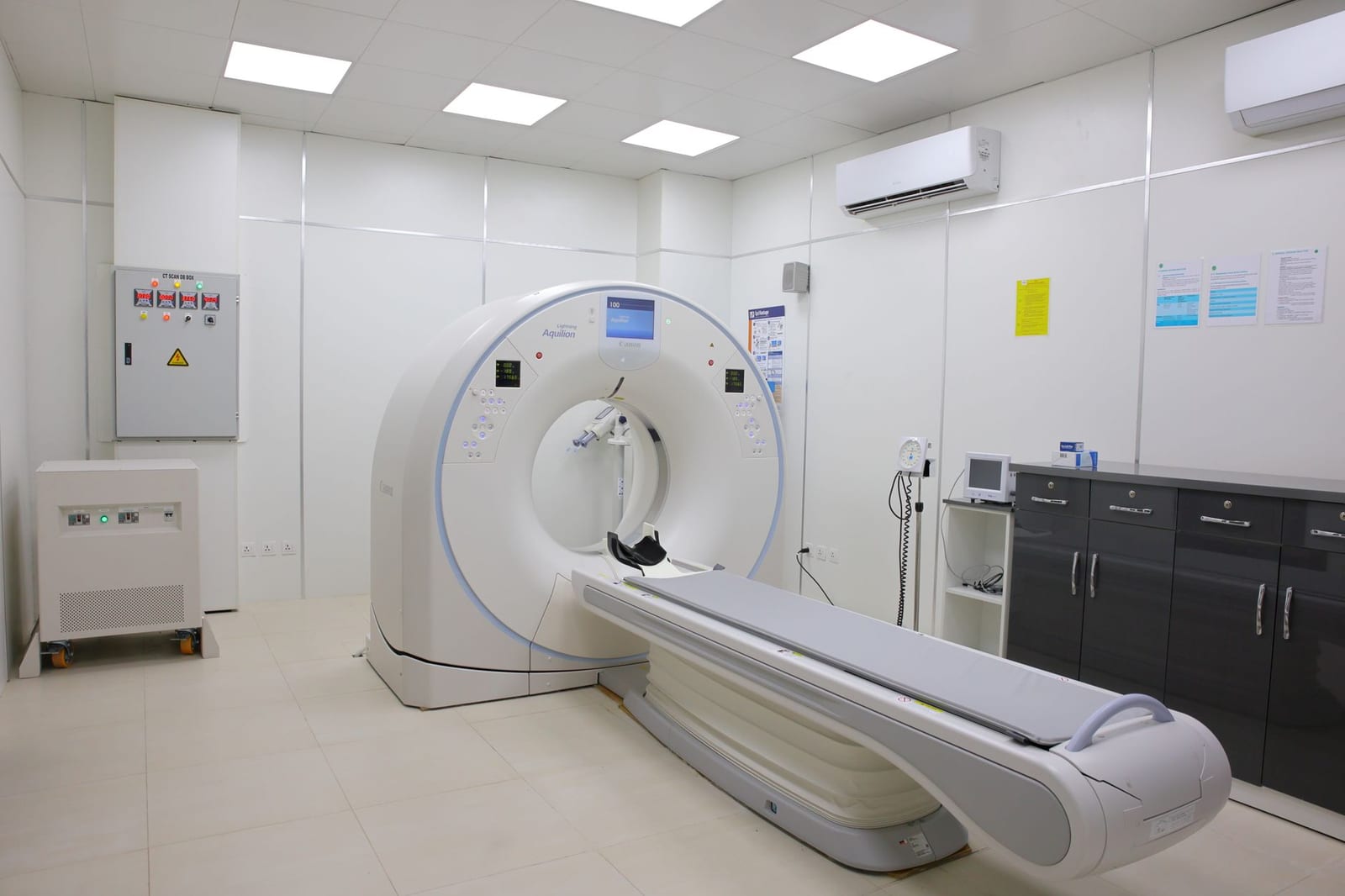
Gaming consoles represent a notable security challenge, particularly within healthcare environments. Researchers identified 14,624 consoles in hospitals, with the vast majority—13,939 units—residing on production networks. While these devices are often provided by hospitals to improve the patient experience in pediatric wards, their placement on sensitive networks is problematic. Of these hospital-based consoles, 691 were classified as high-risk. Industrial sites also showed a high rate of improper segmentation, with 89.5% of the 963 consoles found there connected to production environments.
Electric vehicles have also emerged as a significant presence on corporate and industrial networks. Researchers documented 3,425 Teslas, 984 Fords, 390 Hondas, and 79 Hyundais connected to these environments, often to facilitate software updates via Wi-Fi. Claroty confirmed that the vast majority of these vehicles were not isolated on guest networks. The report noted that Tesla Model 3 vehicles are associated with six critical vulnerabilities, including potential remote code execution flaws, while Ford F-150 trucks were linked to 121 distinct security issues.
The presence of these devices on production networks is largely attributed to failures in network governance. When consumer technology is placed on the same network as critical infrastructure, it expands the attack surface for malicious actors. Once an attacker compromises a streaming stick or a vehicle, they can scan for reachable controllers, harvest credentials, and move laterally to target more sensitive equipment.
The findings suggest that the perceived utility of a device often dictates its network placement, even when that placement contradicts security best practices. While hospitals may view gaming consoles as a legitimate tool for patient care, the failure to isolate them creates a vulnerability that outweighs the convenience. Similarly, the necessity of connectivity for vehicle updates has led to a widespread practice of allowing cars onto internal networks without the appropriate security boundaries.
The research underscores a persistent gap in how operational technology environments are managed compared to traditional IT networks. The integration of consumer-grade hardware into these sensitive spaces is often informal or poorly documented, leading to a lack of oversight. This environment allows for the accumulation of high-risk devices that are rarely patched or monitored with the same rigor as industrial control systems.
Ultimately, the data suggests that current network segmentation strategies are failing to account for the influx of non-industrial devices. The researchers emphasize that the presence of these gadgets on production networks is a direct indicator of deficiencies in organizational security policies. Addressing this issue will require stricter enforcement of network segmentation and a more disciplined approach to managing the lifecycle and connectivity of all hardware residing within critical infrastructure sites.