LIVE · cybersecurity feed
Live wire
AI found more critical bugs in another widely used technology running 225M websitesCVE-2026-129448 · Apache Roller RCE Flaw CVE-2026-129448 Under Active AttackCognizant and Qualys Redefine AI-Era Managed Security ServiceJava4Shell Vulnerability Allows Remote Attacks on Major Java AppsCVE-2026-114938 · Java4Shell (CVE-2026-114938): Frequently asked questions about OpenJDK remote code execution vulnerabilityCVE-2026-114938 · CVE-2026-114938: Critical vulnerability in OpenJDK JAVACritical Java4Shell flaw allows RCE attacks on major Java applicationsCVE-2026-114938 · How to Find, Mitigate, and Patch the Critical Java4Shell Flaw (CVE-2026-114938) NowCVE-2026-28160 · e4jvikwp VikRentCar Vulnerability Listed As Exploited In VulnCheck KEVCVE-2025-5569 · Ideacms Improper Neutralization Flaw Added To VulnCheck KEV After 514 Days
security

Google smart glasses privacy features cover wearers and the people around them

Google has unveiled a suite of privacy-focused safeguards for its upcoming Gemini-powered smart glasses, aimed at addressing concerns from both wearers and the public. The company’s strategy centers on physical indicators, automated data redaction, and strict enforcement of usage policies. These measures are intended to mitigate the risks associated with wearable devices that possess the…

ZeroDay News ·

Source: Help Net Security

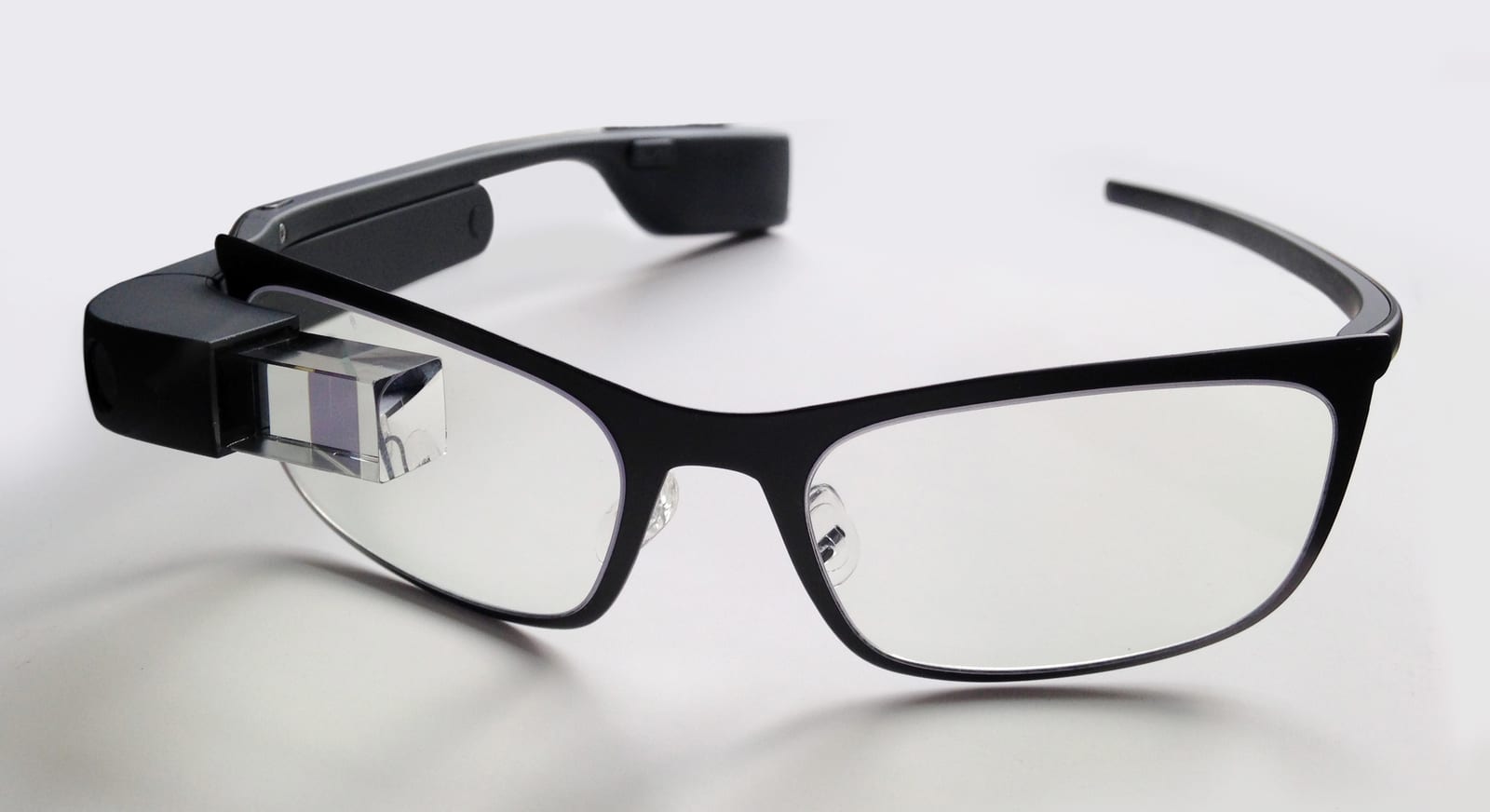
Photo: Mikepanhu (CC BY-SA 3.0) via Wikimedia Commons

Google has unveiled a suite of privacy-focused safeguards for its upcoming Gemini-powered smart glasses, aimed at addressing concerns from both wearers and the public. The company’s strategy centers on physical indicators, automated data redaction, and strict enforcement of usage policies. These measures are intended to mitigate the risks associated with wearable devices that possess the capability to capture images and video of the wearer’s surroundings.

A primary feature of the device is an outward-facing LED indicator that illuminates whenever the camera is actively recording or capturing photos. To prevent users from covertly filming others, the hardware includes integrated sensors designed to detect if this light has been obstructed or tampered with. If the system identifies that the indicator is covered, it is programmed to automatically disable the device’s capture functionality. Google has reinforced this by updating its advertising and shopping policies to prohibit the promotion of any products or modifications intended to hide or disable these recording lights.

For data privacy, Google has implemented automated face redaction for images processed by the Gemini AI. When a user queries the device about their surroundings, the system is designed to blur the faces of bystanders before the visual data is sent for analysis. The company has confirmed that these camera-captured visuals are excluded from the user’s Gemini history and are not utilized for AI model training or targeted advertising. Furthermore, all data is encrypted both on the device and during transmission to a paired phone or cloud storage.

To address concerns regarding audio privacy, the glasses utilize directional microphones that are configured by default to prioritize the wearer’s voice. This is intended to minimize the capture of ambient conversations or the voices of nearby individuals. Despite these features, the company acknowledges that its Private AI Compute environment—a hardened, secure processing architecture—has not yet been fully integrated into the glasses. Consequently, users are advised to exercise caution when using the device in environments containing sensitive or confidential information.

Access to the glasses is restricted to users with an adult Google account, requiring individuals to be at least 18 years old. Before the device can be activated, users must formally agree to a set of terms of service that explicitly prohibit recording individuals without their consent, filming in sensitive locations, and interfering with the recording light. Google maintains the authority to remotely disable the hardware if a user is found to be in violation of these terms.

The company has also placed strict limitations on the software ecosystem surrounding the device. Through its application store policies, Google has banned the development of third-party apps that attempt to modify the behavior of the recording light. Additionally, the company has prohibited the use of the device’s camera for real-time facial identification or social media live-streaming, citing the potential for privacy abuse.

While these features represent the company’s current design intentions, it is important to distinguish between confirmed hardware capabilities and the limitations of the current implementation. The tamper detection, face redaction, and directional audio are active design elements, but the absence of the Private AI Compute environment means that the security of the data processing pipeline remains in a transitional state. Google’s approach relies heavily on a combination of physical hardware sensors, software-level data filtering, and the threat of account-based enforcement to manage the privacy risks inherent in wearable camera technology.


ShareXLinkedInWhatsAppFacebook

More News

view all →
vulnerabilitycritical

AI found more critical bugs in another widely used technology running 225M websites

F5 has issued an emergency security update for the open-source NGINX web server to address 10 newly discovered vulnerabilities. These flaws affect a significant portion of the internet, as NGINX currently powers approximately 225 million websites. The vendor has urged all administrators to upgrade their systems to version 1.31.9 immediately to mitigate the risks.

vulnerability

Consensus mounts that tech outages were fueled by patching of AI-discovered vulnerabilities

A series of significant technical outages affecting aviation, banking, and communications infrastructure over the past week has prompted a federal investigation into the stability of critical systems. While initial concerns focused on the possibility of coordinated cyberattacks, officials from the Trump administration, including Secretary of Homeland Security Markwayne Mullin, Director of…

ai

Coinbase blocks $4.7 million in transfers to Elon Musk deepfake scam

Coinbase successfully intercepted $4.7 million in cryptocurrency transfers associated with a sophisticated deepfake scam targeting users during a high-profile Tesla event. The incident occurred during a demonstration of Tesla's flying car technology, which was broadcast via a fraudulent YouTube livestream. The stream, which drew an audience of over 500,000 viewers, utilized AI-generated video…

ai

Strike Graph Launches Integration AI to Automate Continuous Compliance Evidence Using Any Existing Tool

Strike Graph has announced the launch of a new agentic AI solution designed to automate the collection of compliance evidence across an organization’s existing software stack. By leveraging direct API integrations, the platform aims to streamline the evidence-gathering process, mapping data points to more than 30 different compliance frameworks simultaneously to eliminate redundant manual…

ai

Judge signs off on sale of Spirit Airlines’ data to Google

A federal bankruptcy judge in New York has officially approved the sale of Spirit Airlines’ corporate data to Google, a transaction valued at $10 million. The deal, which follows the airline’s cessation of operations in May, involves the transfer of a massive dataset to the tech giant for the stated purpose of training artificial intelligence models. The repository includes approximately 100…

ransomware

AttackIQ Research Reveals How Iranian Cyber Groups Hand Off Network Access to Enable Destructive Attacks

New research from AttackIQ highlights a sophisticated operational model used by Iranian state-sponsored threat groups, characterized by the strategic hand-off of network access to facilitate destructive cyber operations. The analysis, which examines the activities of 20 distinct groups, suggests that these actors are increasingly blurring the lines between traditional espionage, ransomware…


