
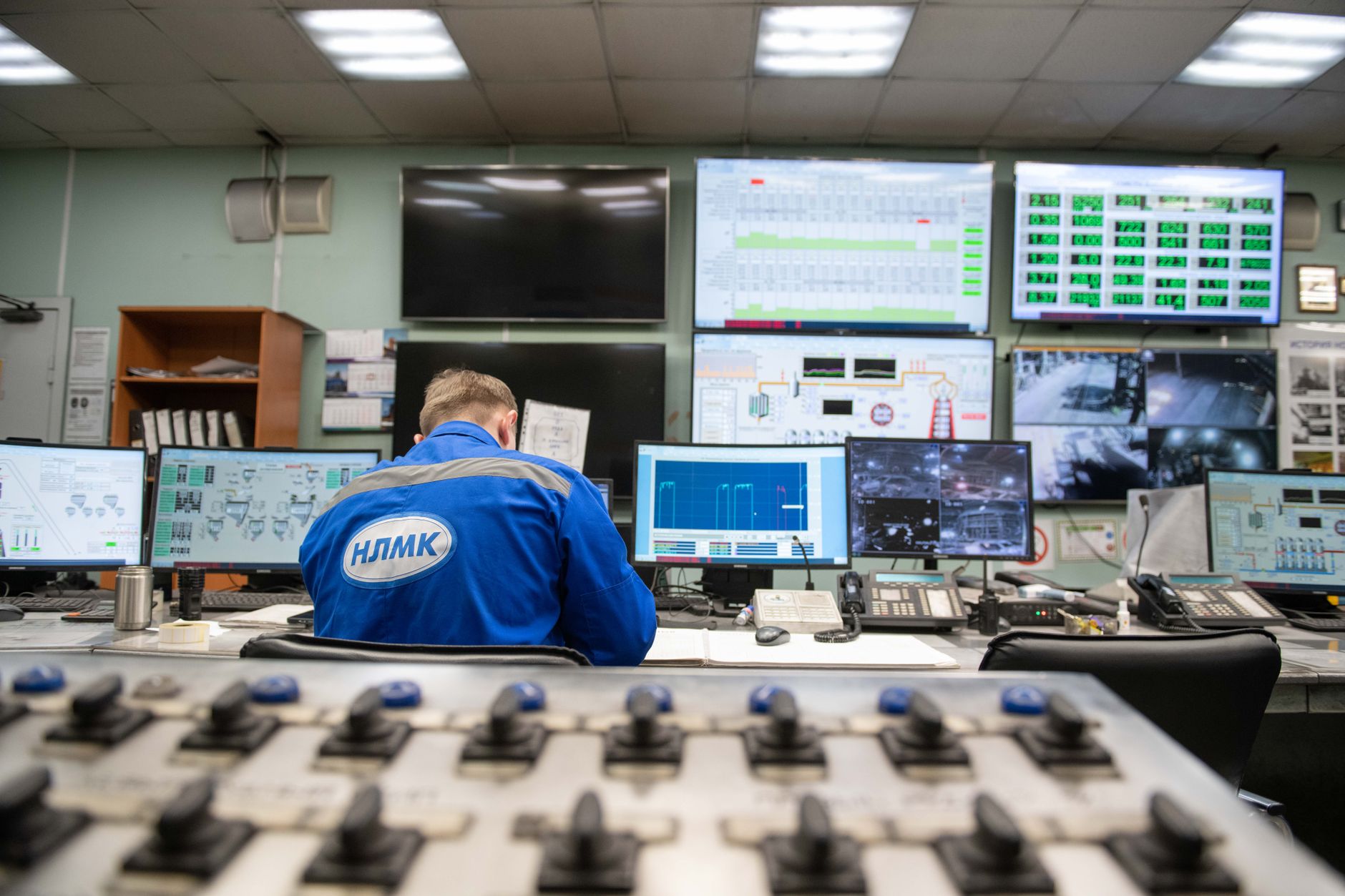
A suspected Iran-linked cyberattack recently disrupted a small-scale UK power plant, causing it to shut down for four days. While the government confirmed the incident, it emphasized that the wider energy system remained unaffected and highly resilient. This event follows a series of similar cyber intrusions targeting water utilities in the United States, which cybersecurity analysts also suspect are linked to Iran.

A small-scale power plant in the United Kingdom was shut down for four days due to a suspected cyberattack, which government officials confirmed on Monday. While the UK government has not formally attributed the incident, it is believed to be linked to Iran. Authorities emphasized that the wider energy system was never at risk, describing it as "highly resilient."
UK Energy Minister Michael Shanks stated that following the incident, his department briefed energy CEOs and provided additional security advice to companies. The specific power station affected was not disclosed by government officials.
This incident is believed to be the first disruptive Iranian cyberattack of its kind in the UK. It occurred around the same time as a series of digital intrusions targeting American water utilities across 12 states. In late July, suspected Iranian cyber operatives disrupted over 30 water facilities in Minnesota, with similar reports emerging from at least 11 other US states.
While US state and federal officials have not formally attributed these water system hacks, private-sector threat analysts strongly suspect Iran is responsible. These breaches are seen as a direct response to the ongoing conflict in the Middle East.
The American utility cyberattacks primarily involved internet-connected programmable logic controllers (PLCs). Federal agencies recently issued a warning that attackers are now employing AI-generated exploitation scripts to breach internet-exposed Siemens S7 Series PLCs in various critical facilities, including those in water, manufacturing, and energy sectors.
Experts suggest that this activity appears to be a continuation of the same pattern of Iran-affiliated actors targeting PLCs. These devices are fundamental to essential health, safety, and critical infrastructure across society, making them attractive targets for adversaries. The use of AI-generated scripts represents an active and evolving threat, not merely a theoretical risk.

A weakness has been identified in Tenda CP3 27.5.57.101. This issue affects some unknown processing of the file Net/NetCheckPing.cpp. This manipulation of the argument interface_name/host causes os command injection. The attack can be initiated remotely.
A security flaw has been discovered in Tenda CP3 27.5.57.101. This vulnerability affects the function SystemAsh of the file Apis/system.c of the component Kylin. The manipulation of the argument AlarmVoiceURL results in os command injection. It is possible to launch the attack remotely.

OpenAI has announced a $1 billion commitment to provide subsidized access to its Daybreak AI cybersecurity tools for under-resourced critical infrastructure defenders. The initiative, named Daybreak for Frontline Defenders, will offer AI models, training, and technical support over the next six months, prioritizing water and wastewater utilities, electric grid operators, and local government entities. This move aims to equip organizations with limited budgets and staff against increasingly sophisticated cyber threats.

Attackers are exploiting a new unpatched vulnerability in Magento Open Source and Adobe Commerce that lets them run malicious code on an online store's server without logging in, Dutch e-commerce security company Sansec said in an advisory published on September 5. Sansec, which discovered the flaw and named it StyleSmuggler, said attacks started on September 4. "Sansec is publishing early
In BPF instructions that load/store a value from/to a scratch memory register the register index is an unsigned 32-bit integer and must not exceed 15, but libpcap BPF interpreter does not validate the value. In particular uncommon use cases a crafted filter program can cause the interpreter to try reading and writing the OS process memory in the 16GiB starting at the current stack frame on 64-bit architectures and in the entire address space on 32-bit architectures.

Attackers are exploiting two new PaperCut flaws to steal credentials and gain privileged access in education-sector attacks across the U.S. and Europe. Attackers are exploiting two recelty disclosed PaperCut flaws, CVE-2026-81578 and CVE-2026-82078, in attacks targeting schools and other education organizations in the U.S. and Europe, as reported by TheHackerNews. Arctic Wolf researchers observed




