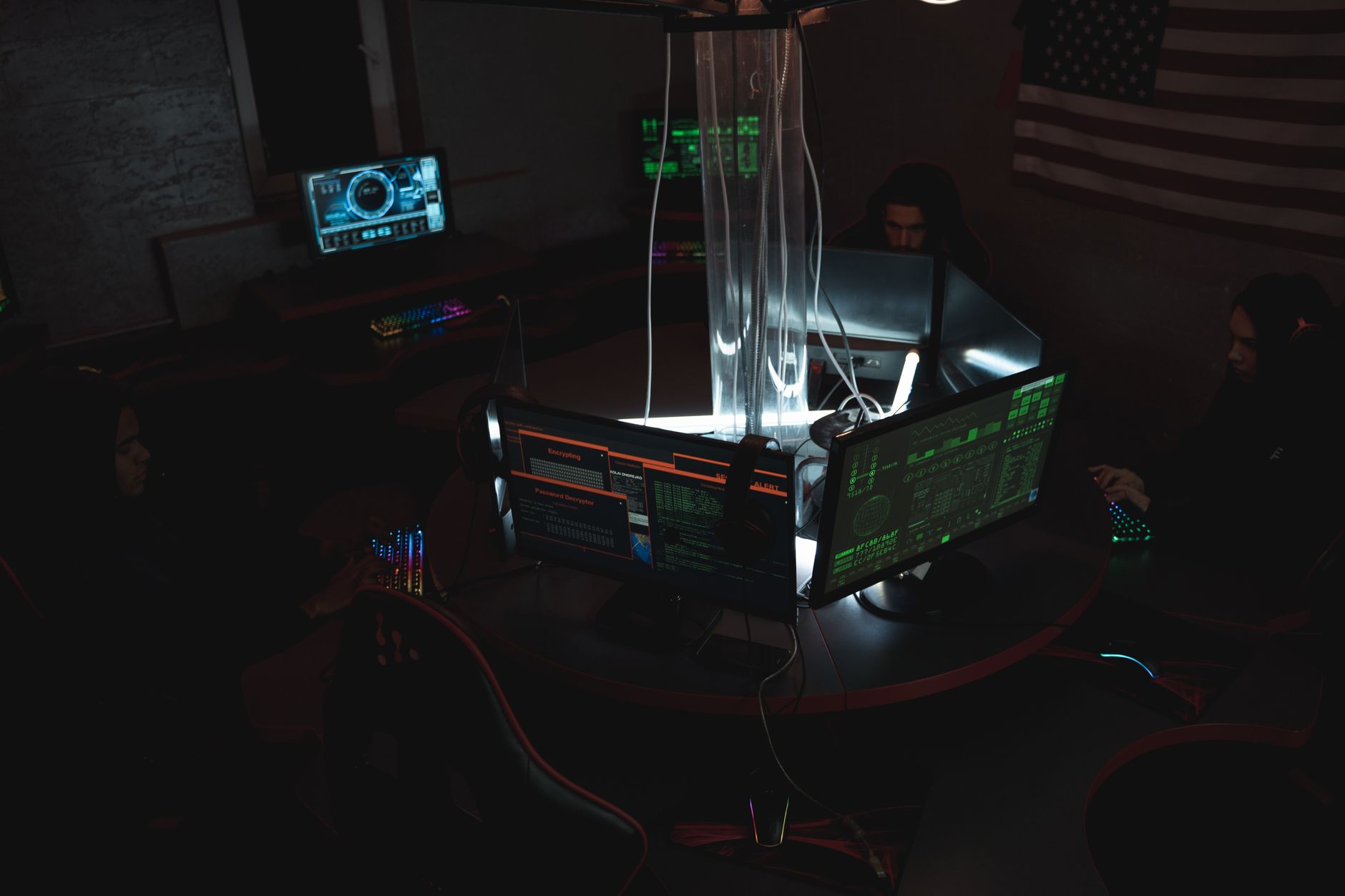
An "agentic threat actor" successfully exploited a Langflow flaw to steal data from a production database server and encrypt other systems.

A novel ransomware attack, dubbed JadePuffer, has been observed leveraging large language models (LLMs) to automate significant portions of its operation, marking a potential shift in the threat landscape. This marks the first documented instance of a complete ransomware attack driven by an agentic threat actor utilizing LLMs.
The attack involved exploiting a vulnerability within Langflow, an open-source framework for building LLM applications. This exploitation allowed the threat actor to gain unauthorized access to a production database server.
Once inside the database, the attackers proceeded to exfiltrate sensitive data. Following the data theft, the threat actor then initiated an encryption process, targeting other systems within the compromised environment.
The use of LLMs in this attack appears to have automated key stages of the operation, from initial exploitation to data exfiltration and encryption. This agentic approach suggests a higher degree of sophistication and efficiency compared to traditional ransomware campaigns.
While specific details regarding the exact nature of the Langflow vulnerability or the extent of the data exfiltrated were not disclosed, the successful execution of this multi-stage attack highlights the growing potential for LLMs to be weaponized by malicious actors.
The development of agentic LLM-driven ransomware like JadePuffer raises significant concerns for cybersecurity professionals. The ability of LLMs to autonomously perform complex tasks could enable attackers to launch more rapid, widespread, and potentially harder-to-detect attacks.
This incident underscores the importance of securing LLM frameworks and applications, as vulnerabilities in these platforms can serve as critical entry points for sophisticated cyber threats. Organizations are advised to maintain robust security practices, including regular vulnerability assessments and prompt patching of all software, especially those related to emerging technologies like LLMs.
Further research and development are needed to understand the full capabilities and implications of LLM-powered cyberattacks. The cybersecurity community will need to adapt its defenses to counter these evolving threats, focusing on both technical safeguards and threat intelligence to stay ahead of agentic, AI-driven malicious activities.

A weakness has been identified in Tenda CP3 27.5.57.101. This issue affects some unknown processing of the file Net/NetCheckPing.cpp. This manipulation of the argument interface_name/host causes os command injection. The attack can be initiated remotely.
A security flaw has been discovered in Tenda CP3 27.5.57.101. This vulnerability affects the function SystemAsh of the file Apis/system.c of the component Kylin. The manipulation of the argument AlarmVoiceURL results in os command injection. It is possible to launch the attack remotely.

OpenAI has announced a $1 billion commitment to provide subsidized access to its Daybreak AI cybersecurity tools for under-resourced critical infrastructure defenders. The initiative, named Daybreak for Frontline Defenders, will offer AI models, training, and technical support over the next six months, prioritizing water and wastewater utilities, electric grid operators, and local government entities. This move aims to equip organizations with limited budgets and staff against increasingly sophisticated cyber threats.

Attackers are exploiting a new unpatched vulnerability in Magento Open Source and Adobe Commerce that lets them run malicious code on an online store's server without logging in, Dutch e-commerce security company Sansec said in an advisory published on September 5. Sansec, which discovered the flaw and named it StyleSmuggler, said attacks started on September 4. "Sansec is publishing early
In BPF instructions that load/store a value from/to a scratch memory register the register index is an unsigned 32-bit integer and must not exceed 15, but libpcap BPF interpreter does not validate the value. In particular uncommon use cases a crafted filter program can cause the interpreter to try reading and writing the OS process memory in the 16GiB starting at the current stack frame on 64-bit architectures and in the entire address space on 32-bit architectures.

Attackers are exploiting two new PaperCut flaws to steal credentials and gain privileged access in education-sector attacks across the U.S. and Europe. Attackers are exploiting two recelty disclosed PaperCut flaws, CVE-2026-81578 and CVE-2026-82078, in attacks targeting schools and other education organizations in the U.S. and Europe, as reported by TheHackerNews. Arctic Wolf researchers observed