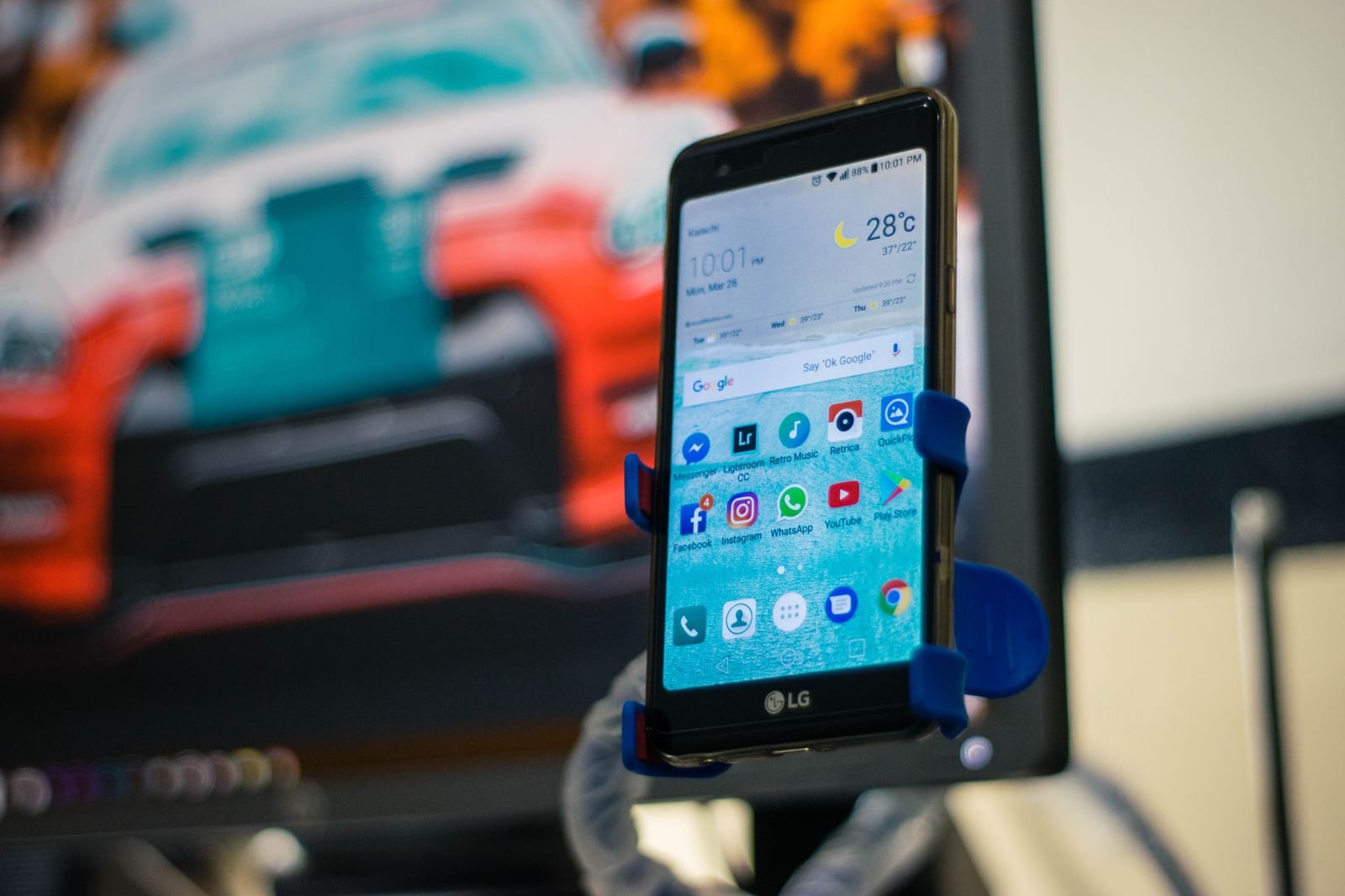
Recent reports indicate that a new malware strain, dubbed "Midnight Mimosa," has been discovered preinstalled on certain low-cost Android smartphones. This finding suggests that some devices may be compromised with malicious software embedded directly into their firmware before they even reach consumers, posing a significant supply chain security risk.
The Midnight Mimosa malware is reported to be present in the device's firmware, meaning it is deeply integrated into the operating system and persists across factory resets. This level of embedding makes it particularly difficult for end-users to detect or remove. Malware preinstalled in this manner can typically achieve high levels of privilege on the device, potentially allowing it to bypass standard Android security mechanisms. This could enable a range of malicious activities, from data exfiltration to remote control of the device.
The affected devices are described as "low-cost Android phones." This category often includes devices manufactured by a wide array of original equipment manufacturers (OEMs), sometimes for regional markets or as unbranded options. The supply chains for these types of devices can be complex and less transparent than those for premium brands, potentially creating opportunities for malicious actors to inject malware at various stages, such as during manufacturing, assembly, or distribution.
The mechanism of infection, being preinstallation, implies a compromise at an earlier stage of the device's lifecycle. This could occur if the firmware image itself is tampered with before being flashed onto the device, or if an insider at a manufacturing or distribution facility intentionally installs the malicious software. Such attacks are challenging to defend against from an end-user perspective, as the compromise exists before the user has any opportunity to secure the device.
Typical mitigation advice for consumers facing preinstalled malware is often limited. Users are generally advised to purchase devices from reputable vendors and authorized retailers. For devices already suspected of being compromised, a factory reset is often the first step, but in cases of firmware-level malware, this may not be sufficient. Advanced users might consider flashing a clean, verified firmware image if one is available and compatible, though this carries its own risks and is not feasible for all users.
The discovery of Midnight Mimosa highlights a persistent and evolving threat in the mobile device ecosystem: supply chain attacks. This class of attack underscores the importance of security throughout the entire lifecycle of a product, from design and manufacturing to distribution and end-of-life. As devices become increasingly integral to daily life, the integrity of their foundational software remains a critical concern for both consumers and the broader cybersecurity community.