
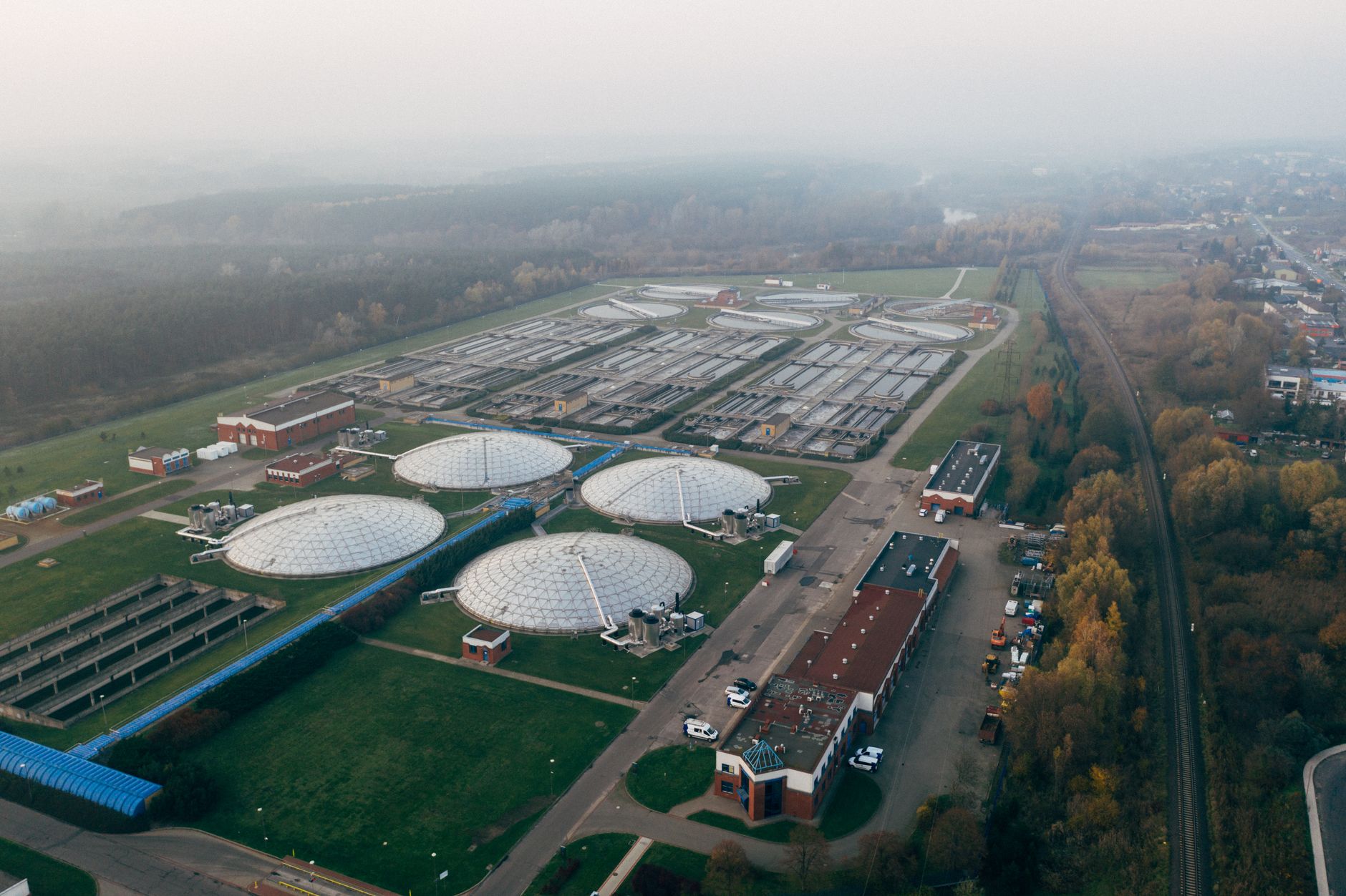
Water facilities in New Jersey and Alabama have reportedly joined a growing list of states targeted in cyberattacks against industrial control systems (ICS). The incidents are part of a broader campaign attributed to Iranian-linked hackers, which has reportedly impacted water infrastructure in at least a dozen U.S. states.
The attacks specifically focused on industrial control systems, which are critical components for managing and automating operational technology (OT) in sectors like water utilities. These systems are responsible for controlling physical processes, such as water flow, chemical treatment, and pressure regulation. Compromise of such systems could potentially disrupt operations, affect water quality, or even cause physical damage to infrastructure.
While the specific mechanisms of compromise were not detailed, attacks against ICS often exploit vulnerabilities in network segmentation, outdated software, or weak authentication protocols. Threat actors might leverage remote access points, phishing campaigns targeting OT personnel, or supply chain compromises to gain initial access to these specialized networks. Once inside, they could attempt to manipulate controllers, disable safety systems, or exfiltrate sensitive operational data.
Water utilities, like other critical infrastructure sectors, typically employ a layered defense strategy. This often includes robust network segmentation to isolate OT networks from IT networks, regular patching and vulnerability management for all connected systems, and strong access controls. Additionally, continuous monitoring of ICS networks for anomalous activity and comprehensive incident response plans are crucial for detecting and mitigating such threats.
The reported targeting of water facilities highlights the increasing focus of state-sponsored actors on critical infrastructure. This trend underscores the strategic value of disrupting essential services and the potential for such attacks to cause widespread societal impact. The distributed nature of these incidents across multiple states suggests a coordinated effort rather than isolated opportunistic attacks.
This series of incidents underscores the persistent and evolving threat landscape facing critical infrastructure operators in the United States. The involvement of state-linked actors in targeting essential services like water utilities elevates the severity of these threats, necessitating continuous vigilance, enhanced cybersecurity investments, and collaborative information sharing across government and industry to defend against such sophisticated campaigns.





