
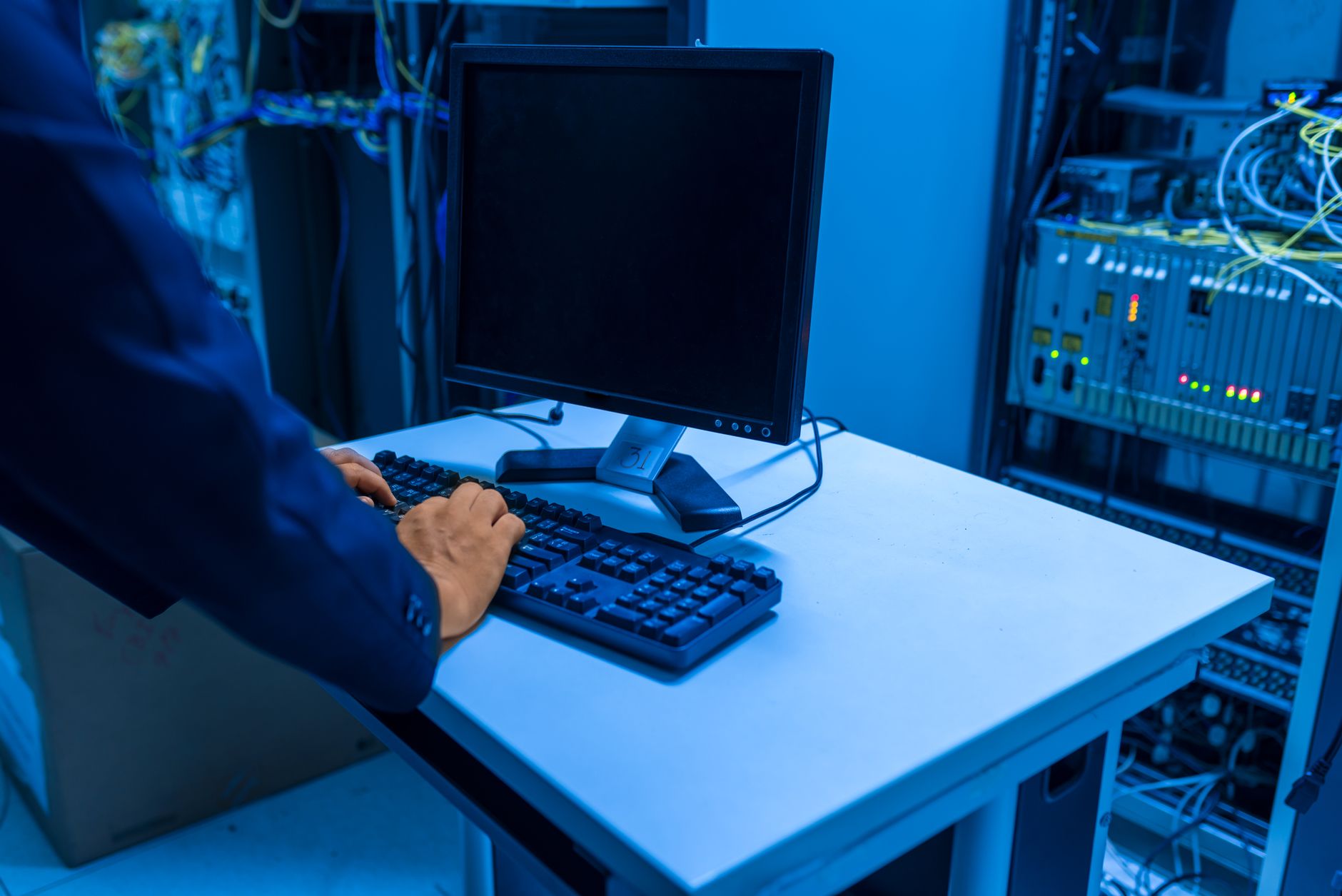
Researchers have developed a novel method, dubbed TrojPix, capable of exfiltrating data from air-gapped systems by manipulating on-screen pixels. This technique exploits the electromagnetic emissions generated by video cables to transmit sensitive information.
The TrojPix attack works by subtly altering the pixels displayed on a computer screen. These alterations are designed to be imperceptible to the human eye, meaning users would not notice any visual anomalies. However, these minute changes cause distinct electromagnetic signals to be emitted from the video cable connecting the computer to its display.
These electromagnetic emissions can then be captured by an attacker positioned within a certain proximity to the target system. The captured signals are then decoded to reconstruct the data that was originally present on the air-gapped computer. This bypasses traditional network security measures, as the system has no external network connectivity.
The effectiveness of TrojPix relies on the fact that all computers, even those isolated from networks, must still render visual output to a display. This output is transmitted via cables, which inherently generate electromagnetic radiation. The researchers have demonstrated that these emissions can be modulated to carry data.
While the specific details of the data types that can be exfiltrated were not fully elaborated, the potential implications are significant. Air-gapped systems are typically used to store highly sensitive information, such as classified government data, financial records, or proprietary industrial secrets, due to their inherent security against remote network attacks.
The TrojPix attack presents a new threat vector for adversaries seeking to compromise these highly secured environments. It highlights the importance of considering physical and electromagnetic emanations as potential attack surfaces, even when network-based threats are mitigated.
Mitigation strategies for such an attack would likely involve physical security measures to prevent attackers from getting close enough to capture the emissions. Additionally, specialized shielding for video cables and displays could potentially disrupt or block the emanations. Further research into signal jamming or data masking techniques might also offer countermeasures.
This discovery underscores a broader challenge in cybersecurity: the constant evolution of attack methods that exploit often overlooked physical properties of computing hardware. As air-gapped systems are considered among the most secure, the emergence of such techniques necessitates a re-evaluation of existing security paradigms.





