LIVE · cybersecurity feed
Live wire
U.S. urges critical infrastructure orgs to secure refrigeration systems ASAP after EU supermarket and blood bank attacksCISA Announces Enhanced Reporting Form for Cyber IncidentsCVE-2026-19868 · CISA Flags SonicWall SonicOS MFA Bypass Flaw Amid Reports of Possible ExploitationCVE-2026-119757 · BTCPay Server Insufficiently Protected Credentials Flaw Exploited Upon DisclosureCVE-2026-118066 · LatePoint Improper Authentication Vulnerability Exploited Upon DisclosureCVE-2026-120534 · ACF Extended Advanced Custom Fields PRO Flaw Exploited Upon DisclosureCVE-2026-109884 · Elementor Website Builder Flaw Exploited Same Day As DisclosureCVE-2026-19868 · SonicWall SonicOS SSLVPN Vulnerability Exploited On Day Of DisclosureCVE-2026-103898 · Wpmet wp_social_login_and_register_social_counter Flaw Exploited Upon DisclosureCVE-2026-116512 · weDevs wp_project_manager Flaw Exploited Before CVE Publication
security

Researcher bypassed Meta smart glasses’ safeguards to run her own code

A security researcher has successfully demonstrated a method to bypass security controls on Meta’s Ray-Ban smart glasses, allowing for the execution of unauthorized, third-party code on the wearable devices. The researcher, known by the handle pamoutaf, identified a critical flaw in how the glasses verify the legitimacy of software packages transmitted from a paired smartphone. This discovery…

ZeroDay News ·

Source: Malwarebytes Labs

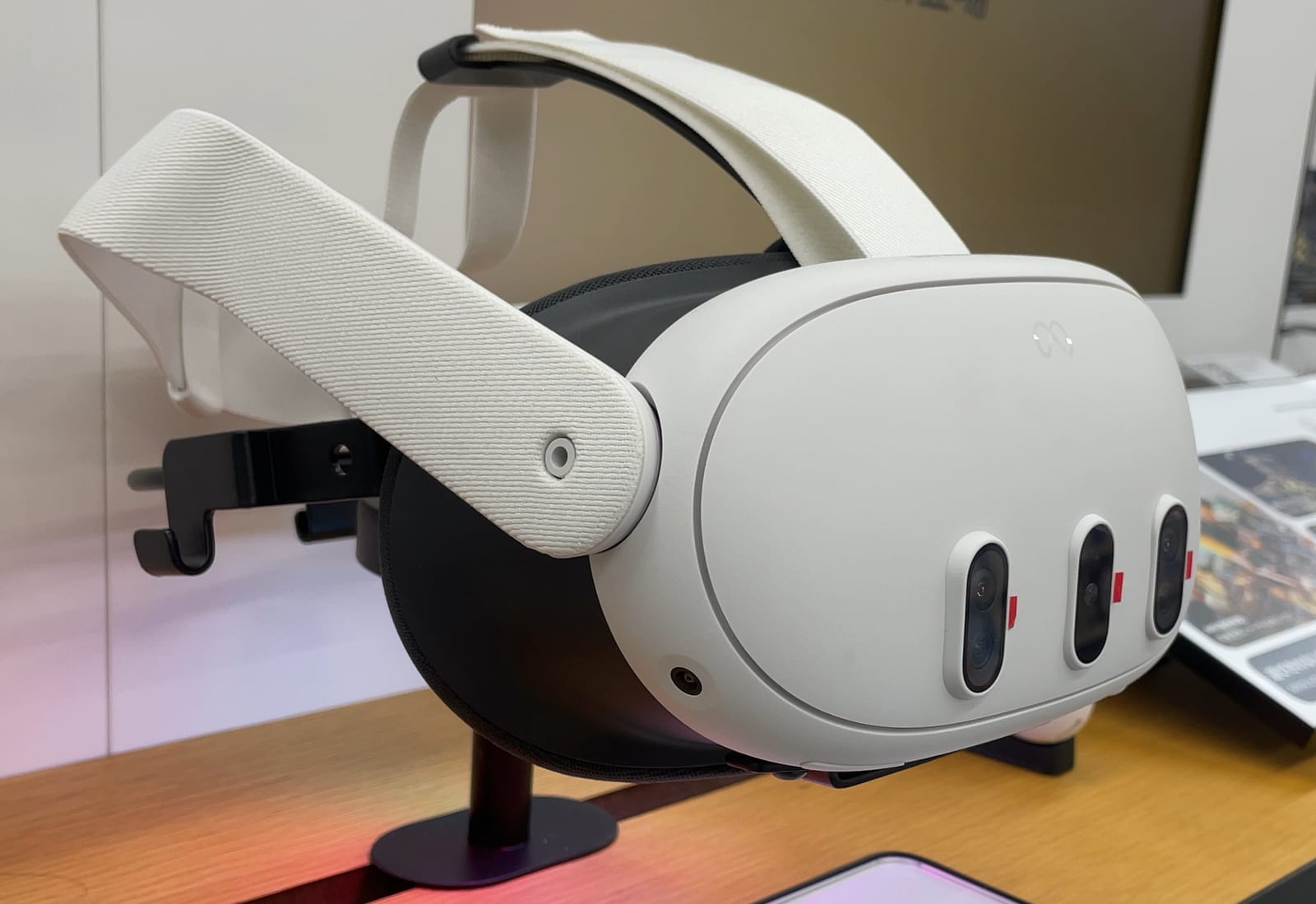
Photo: Kyu3a (CC BY-SA 4.0) via Wikimedia Commons

A security researcher has successfully demonstrated a method to bypass security controls on Meta’s Ray-Ban smart glasses, allowing for the execution of unauthorized, third-party code on the wearable devices. The researcher, known by the handle pamoutaf, identified a critical flaw in how the glasses verify the legitimacy of software packages transmitted from a paired smartphone. This discovery shifts the conversation regarding the device from general privacy concerns to the fundamental security of the hardware’s operating environment.

The Ray-Ban Meta smart glasses rely on the Meta AI application on a connected phone to manage software installations. Under normal operation, the glasses are designed to accept only software that carries a valid digital signature from Meta. This mechanism is intended to prevent the execution of unapproved or malicious code. According to the research, older firmware versions up to and including version 126 lacked these verification checks entirely, allowing for the direct installation of unauthorized applications.

In response to potential security risks, Meta implemented a digital signature verification process in firmware version 127. However, the researcher discovered that the security check was not immutable. The glasses determine whether to enforce signature verification based on a settings file transmitted from the paired smartphone. The vulnerability lies in the fact that the glasses verify the structural integrity of this settings file but fail to verify its authenticity or check for tampering.

By modifying a single byte within this settings file, the researcher was able to effectively disable the signature verification requirement. This manipulation allowed the glasses to accept and execute custom code that had not been signed or approved by Meta. Once the unauthorized software was running, the researcher confirmed the ability to transmit commands to the glasses from the paired phone via a wireless connection.

While this proof-of-concept did not involve the exfiltration of data, the ability to run arbitrary code on a device equipped with a camera, microphones, and constant wireless connectivity presents significant security implications. If an attacker were to gain control over the paired phone, they could theoretically leverage this vulnerability to turn the glasses into a surveillance tool, potentially accessing the camera or stored recordings and transmitting them to a remote server.

Meta has not issued a public statement confirming the specific technical details of the bypass or the timeline for a permanent patch. The research highlights the risks inherent in wearable technology, where the line between user-controlled software and manufacturer-enforced security is often thin. The ability to override these safeguards effectively grants the user of the paired phone total control over the device's hardware functions, bypassing the intended limitations of the operating system.

Security experts emphasize that users of these devices should prioritize keeping both the glasses' firmware and the Meta AI mobile application updated to the latest versions. Furthermore, users are advised to avoid installing unofficial applications or attempting unauthorized modifications to the device's software environment. These precautions are essential to maintaining the integrity of the device and protecting the privacy of both the wearer and those around them.

The researcher has indicated that this initial finding is part of a broader investigation into the security architecture of the Ray-Ban Meta glasses. Future disclosures are expected to explore additional attack vectors and potential vulnerabilities within the device's ecosystem. As smart wearables become more integrated into daily life, the findings serve as a reminder that these devices function as sophisticated computers that require the same level of security scrutiny as smartphones and laptops.


ShareXLinkedInWhatsAppFacebook

More News

view all →
breach

Fireworks AI gets burned twice as customer data exposure widens

Fireworks AI has disclosed a second, more severe security breach occurring in October, significantly expanding the scope of customer data exposure beyond what was initially reported. This latest incident, which the company confirmed began on October 23, originated from a compromise at a third-party cloud provider that hosted the company’s research and development infrastructure. According to…

vulnerability

Anthropic Rolls Out Mythos 5.2 With Improved Bug Hunting, Fewer Sandbox Escapes

Anthropic has officially released Claude Mythos 5.2 and Claude Fable 5.2, the latest iterations of its AI models designed for specialized security and general-purpose tasks. While both models share the same underlying architecture, they differ significantly in their operational guardrails. Mythos 5.2 is an access-restricted model intended for vetted organizations participating in Anthropic’s…

nation-state

IRISSCON 2026 puts preparedness for cyberattacks and hybrid threats in focus

Ireland faces a critical need to bolster its national security infrastructure to counter a rising tide of sophisticated cyberattacks and hybrid threats. Ahead of the IRISSCON 2026 conference held at Dublin’s Aviva Stadium, experts have characterized the current state of national readiness as potentially inadequate. The discourse centers on the necessity of moving beyond isolated defensive…

security

Default Admin Password Let Researchers Unlock and Start Cars

Security researchers Shubham Shah and Sam Curry have disclosed a series of vulnerabilities that allowed them to remotely unlock and start vehicles by compromising the identity management infrastructure of two unnamed automotive brands. The researchers detailed their findings in separate reports published in early November 2026, noting that the flaws affected customer accounts across the United…

CVE-2026-123218

IBM Aspera Faspex, SignalWire FreeSwitch Vulnerabilities Exploited in Attacks

The Cybersecurity and Infrastructure Security Agency (CISA) has issued an urgent directive for federal agencies to remediate two critical vulnerabilities currently being exploited in the wild. The agency added CVE-2026-123218, affecting IBM Aspera Faspex, and CVE-2026-116779, impacting SignalWire FreeSwitch, to its Known Exploited Vulnerabilities (KEV) catalog. Under the requirements of…

breach

Binance Investigates ShinyHunters Breach Claims

Binance is currently investigating claims made by the threat actor group ShinyHunters, which alleges it has successfully breached the cryptocurrency exchange’s systems. On November 4, 2026, the group posted an advertisement on the PwsForums platform, asserting that it had obtained approximately 335.9 million records. The attackers are demanding a payment of $900,000, threatening to leak the…


