
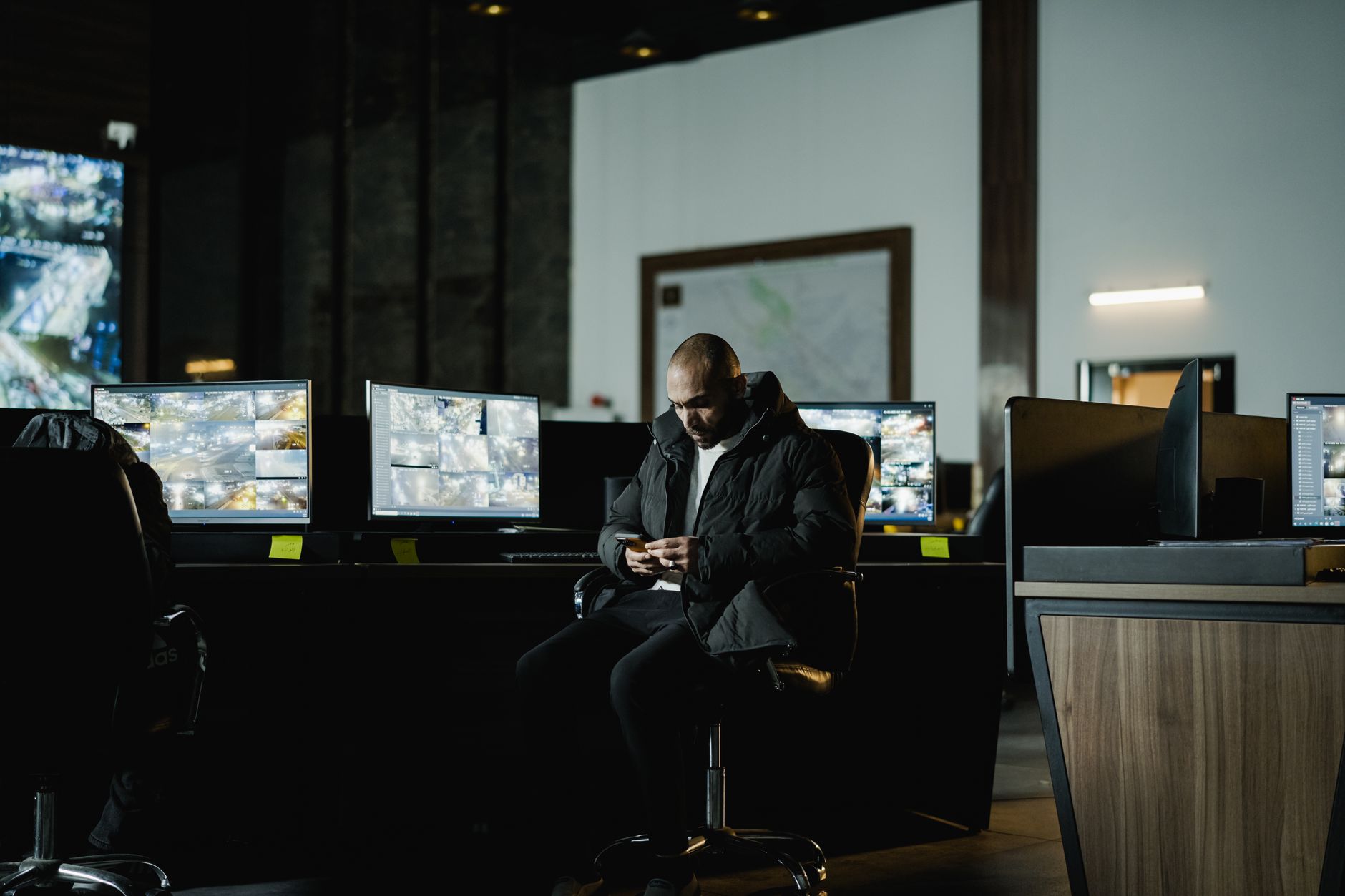
Cybersecurity experts are warning that organizations face heightened risks during summer months due to reduced IT staffing levels, creating opportunities for threat actors. Data indicates a significant increase in cyberattacks during holiday periods, with summer being particularly vulnerable as security teams operate with diminished capacity.
During vacation seasons, organizations frequently encounter several challenges. Security teams, already lean, must manage the same workload of alerts, tickets, and routine tasks with fewer personnel. The absence of senior engineers can delay critical decisions and complex investigations, extending response times during incidents. Furthermore, the unavailability of individuals with specific institutional knowledge can impede investigations and efficient incident response. These staffing gaps can lead to delayed patch cycles, unaddressed vulnerabilities, and neglected investigations.
Threat actors exploit these conditions, leveraging automation and AI to launch attacks around the clock. The 2026 Kaseya Email Security Report highlights that AI is making phishing attacks more convincing and scalable, eroding traditional warning signs. With disrupted approval chains and key decision-makers out of office, employees may be less likely to verify urgent requests or question suspicious emails, increasing the success rate of impersonation attempts aimed at stealing credentials or diverting funds. If these attacks succeed, reduced staffing can delay detection and response, extending the "dwell time" attackers have within a network to steal data, move laterally, or deploy ransomware.
The core issue is that many security operations remain heavily reliant on human availability. Modern environments generate thousands of alerts daily, and while most are benign, some signal genuine threats. Fully staffed teams have the capacity to investigate and differentiate, but during vacation periods, fewer people must review the same volume of alerts, increasing the likelihood of errors. Manual processes for ticket triage, threat investigations, patch deployment, and containment actions also slow down with reduced staffing, widening the window for attackers to exploit vulnerabilities.
To mitigate these risks, experts suggest that organizations reduce their dependence on constant human availability for critical security tasks. AI-driven automation is presented as a solution to maintain consistent security even with fluctuating staffing. Automated patch management can identify and deploy critical updates according to predefined policies, reducing reliance on manual scheduling and ensuring faster deployment of fixes.
AI-powered security tools can also intelligently prioritize incoming alerts, allowing smaller teams to focus on the most significant threats and reduce alert fatigue. Furthermore, modern automation platforms can execute portions of security runbooks automatically, such as isolating compromised devices, disabling suspicious user accounts, triggering remediation workflows, and notifying stakeholders. Continuous monitoring capabilities ensure 24/7 system and user activity surveillance, enabling real-time detection and response to threats outside business hours, maintaining visibility during holidays and staffing shortages.
The threat landscape does not pause for holidays; attackers actively seek periods of reduced organizational coverage. Research from KPMG reinforces that vacation periods, including summer and the year-end holiday season, are prime opportunities for cyberattacks. The most resilient organizations are those that build security operations capable of maintaining visibility, detecting threats, and responding effectively even when key personnel are away.





