
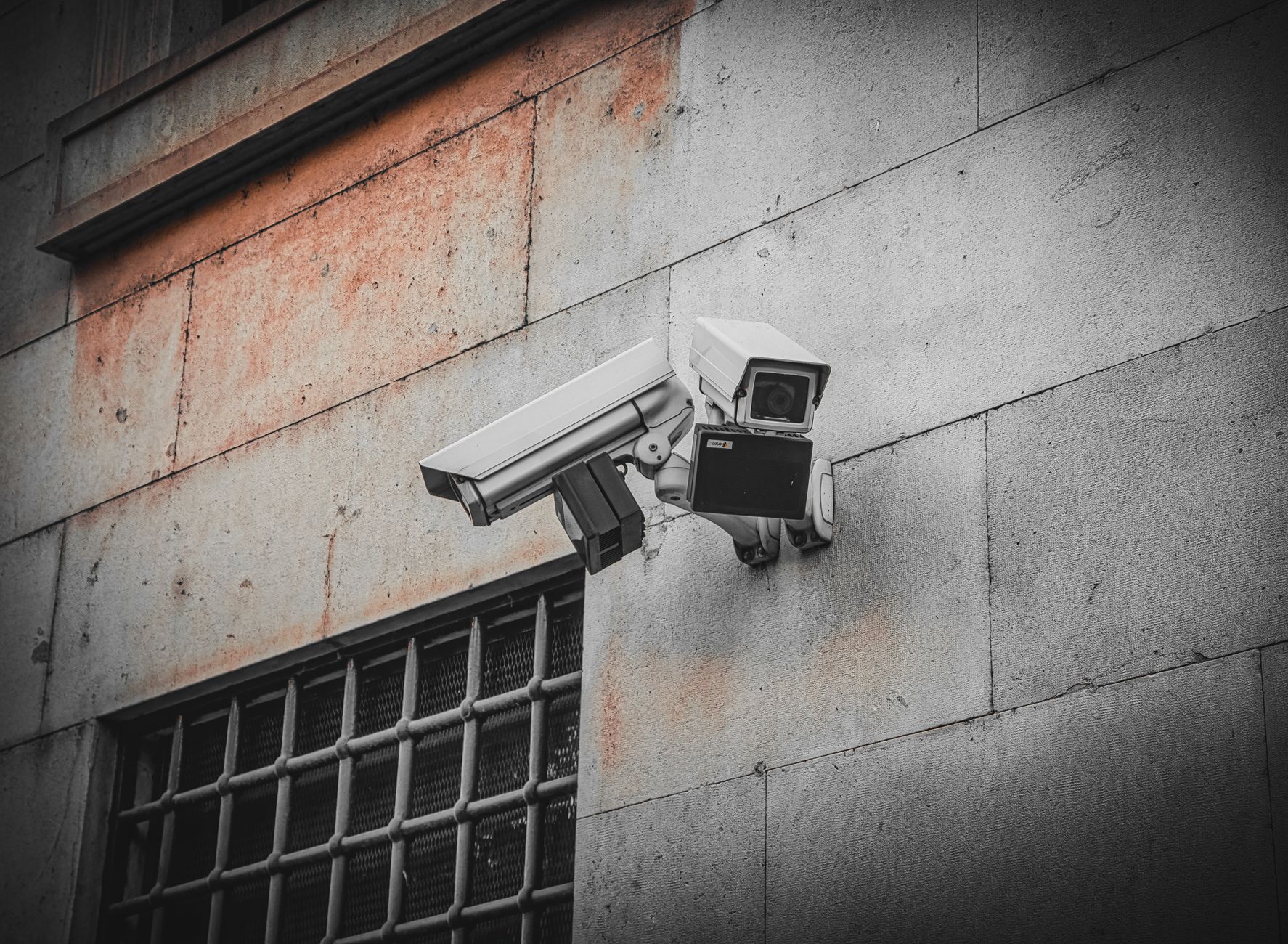
A recent report discusses the pervasive nature of digital surveillance, acknowledging a widespread public awareness that such monitoring occurs. However, the report highlights a significant lack of clarity regarding the specific entities conducting this surveillance, their motivations, and the technical methods employed to achieve it. This gap in understanding leaves the public largely uninformed about the specifics of an activity they widely believe to be happening.
The mechanisms behind digital surveillance can vary broadly, encompassing a range of technologies and techniques. These often include the collection of metadata from internet traffic, such as IP addresses, timestamps, and communication patterns, which can reveal relationships and activities without necessarily intercepting content. Deep packet inspection (DPI) is another common method, allowing for the examination of data packets as they traverse networks to identify specific types of content, applications, or protocols. Furthermore, the deployment of spyware or other malicious software on end-user devices can facilitate direct access to personal data, communications, and device functionalities like cameras and microphones.
Affected products and vendors are diverse, as surveillance capabilities can be integrated into or exploit vulnerabilities within a wide array of software and hardware. Operating systems, web browsers, mobile applications, and network infrastructure devices are all potential vectors. For instance, vulnerabilities in common communication platforms or widely used software packages can be exploited to gain unauthorized access. Similarly, some commercial-off-the-shelf (COTS) surveillance tools are marketed to governments and law enforcement, often leveraging zero-day exploits or sophisticated social engineering tactics to compromise target devices.
The likely scope of such surveillance is difficult to quantify without specific details, but it typically ranges from targeted monitoring of specific individuals or groups to broader, more indiscriminate data collection efforts. In some cases, surveillance might focus on individuals deemed a national security risk or involved in criminal activities. In others, it might involve the mass collection of data from large populations, often justified under the guise of national security or crime prevention, with subsequent analysis to identify patterns or persons of interest.
Mitigation guidance for this class of issue generally focuses on enhancing digital hygiene and employing security best practices. Users are typically advised to keep all software and operating systems updated to patch known vulnerabilities. The use of strong, unique passwords and multi-factor authentication is crucial to protect accounts. Employing end-to-end encrypted communication channels can help safeguard the content of messages. Furthermore, using virtual private networks (VPNs) can obscure IP addresses and encrypt internet traffic, making it harder to track online activities. Regularly reviewing application permissions and being cautious about installing untrusted software are also standard recommendations.
This report underscores a persistent tension between privacy expectations and the capabilities of state and non-state actors to monitor digital communications and activities. The lack of transparency surrounding surveillance practices contributes to public distrust and highlights an ongoing challenge for policymakers, technologists, and civil society to balance security imperatives with fundamental rights to privacy and freedom of expression in the digital age.





