
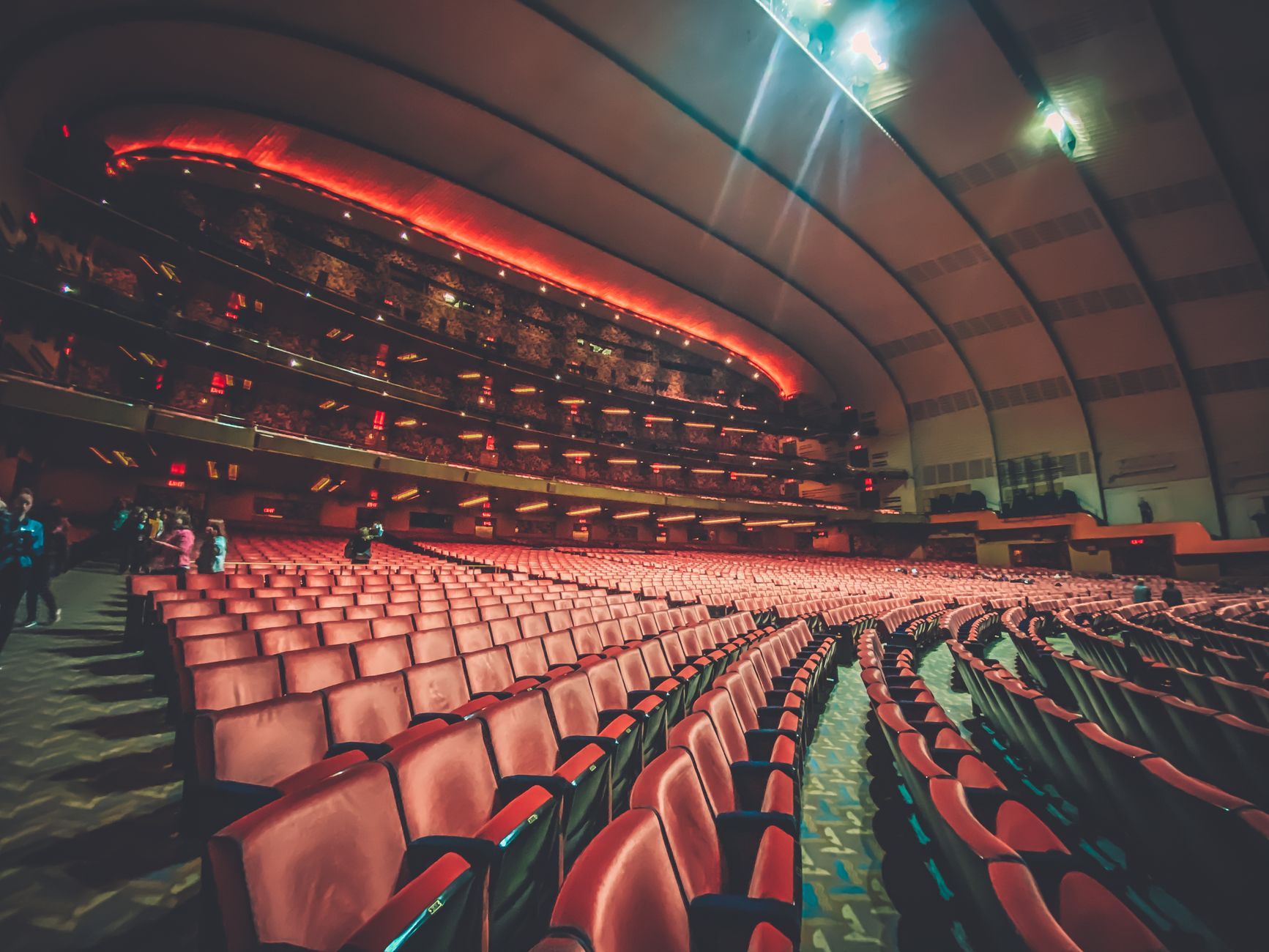
Madison Square Garden's extensive internal surveillance system, including its facial recognition capabilities, was reportedly disabled for several hours on July 2 and 3 for a private event. The shutdown order, which applied to the rehearsal dinner and wedding celebration of Taylor Swift and Travis Kelce, was issued "due to a client privacy request," according to an internal document.
On July 2, an MSG executive ordered a seven-hour lockdown of the Garden's Genetec-powered video management system, effectively preventing most security personnel from monitoring internal cameras and operating the facial recognition software. The memo stated that only a select group of company leaders and engineers retained access to their Genetec accounts, with other security staffers' access explicitly disabled. Sources familiar with MSG's operations indicated that this lockout was repeated on July 3, the night of the wedding.
MSG's surveillance infrastructure, which also includes eConnect facial recognition technology at guest entrances, allows for real-time tracking of individuals across its camera network. The system has been a point of controversy, with documented instances of its use to identify and ban individuals involved in legal disputes with MSG or critical of its owner, James Dolan.
For the Swift-Kelce events, which included a rehearsal dinner for approximately 100 guests and a wedding celebration for around 1,000, extraordinary measures were taken to ensure privacy. Guests were required to sign non-disclosure agreements, and a no-phone policy was enforced. Tents were erected to shield guests as they entered and exited vehicles, presumably to bypass biometric surveillance at standard entrances.
While MSG maintains that its surveillance system is a crucial security measure, the decision to disable it for the celebrity couple's events marks a significant departure from standard practice. Previous private events hosted at Dolan-owned venues, including those for NBCUniversal and Warner Bros. Discovery, have not involved disabling security systems. Even New York Police Department graduation ceremonies held at Madison Square Garden have not resulted in the cameras being turned off.
The estimated cost of booking the Garden for the events was between $1.2 million and $1.6 million. Despite the high security presence outside the venue, with approximately 130 police officers deployed and surrounding blocks prepared for closure, the internal cameras were reportedly shut down. External cameras, which are accessible by the NYPD, remained operational, particularly given a "heightened threat environment" cited by the NYPD due to America 250 celebrations and ongoing international conflicts.
The incident has prompted discussion among digital rights advocates, who view the accommodation as potentially indicative of a future where privacy becomes a luxury reserved for a select few.





