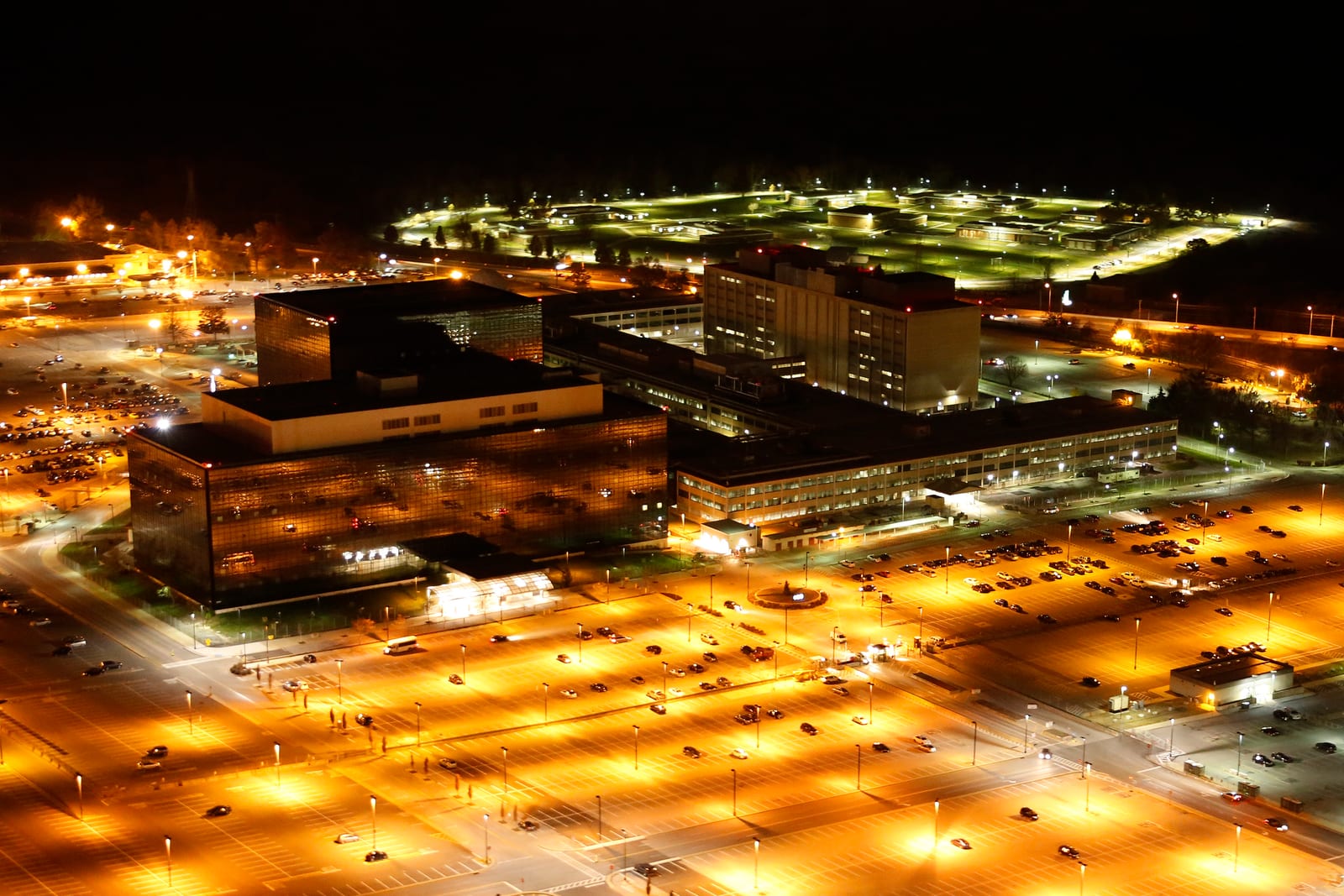
The National Security Agency (NSA) is undergoing a significant reorganization, transitioning from its current directorate structure to five new "mission centers." This restructuring aims to accelerate the delivery of intelligence to military operations. The new centers will focus on China, cybersecurity, artificial intelligence (AI), combat support, and global intelligence.
Army Gen. Joshua Rudd, who leads both the NSA and U.S. Cyber Command, informed the agency's workforce of these changes earlier this month, initiating a 30-day implementation period. While the overall framework is set, some details are still being finalized. For instance, the elite hacking unit known as Tailored Access Operations (TAO), which was re-established after its initial formation in the 1990s, is expected to fall under the global intelligence center. However, the placement of other recent NSA initiatives, such as the Cybersecurity Collaboration Center, remains undetermined.
The reorganization's impact on the NSA's relationship with U.S. Cyber Command, which shares resources and a campus at Fort Meade, Maryland, is also not yet fully clear. Both current and former agency officials acknowledge that this rapid realignment may disrupt existing processes within the NSA's bureaucracy, necessitating on-the-fly adjustments.
Each new mission center will have its own chief. Some of these leaders, including the head of the AI center, have reportedly been selected and may be announced internally soon. The goal is for all five centers to achieve "full operational capability" by January, meaning they will be fully equipped to carry out their designated missions.
This is the most extensive restructuring undertaken by the NSA in approximately a decade. A previous effort, known as "NSA21," aimed to integrate the agency's offensive and defensive operations but is widely regarded by current and former officials as having increased bureaucratic complexity. Another reorganization, "EVO25," initiated around the beginning of the second Trump administration, sought to consolidate agency offices but was ultimately abandoned.
General Rudd, who was confirmed to his dual role in March after a January Senate Intelligence Committee hearing, has emphasized speed as his top priority, followed by scale, innovation, and integration. He stated the necessity of moving quickly to ensure the agency possesses the right technologies and capabilities to generate multiple options. This vision for faster intelligence dissemination to military customers is shared by the NSA's leadership team, including Deputy Director Tim Kosiba and Executive Director Darren Turner.