
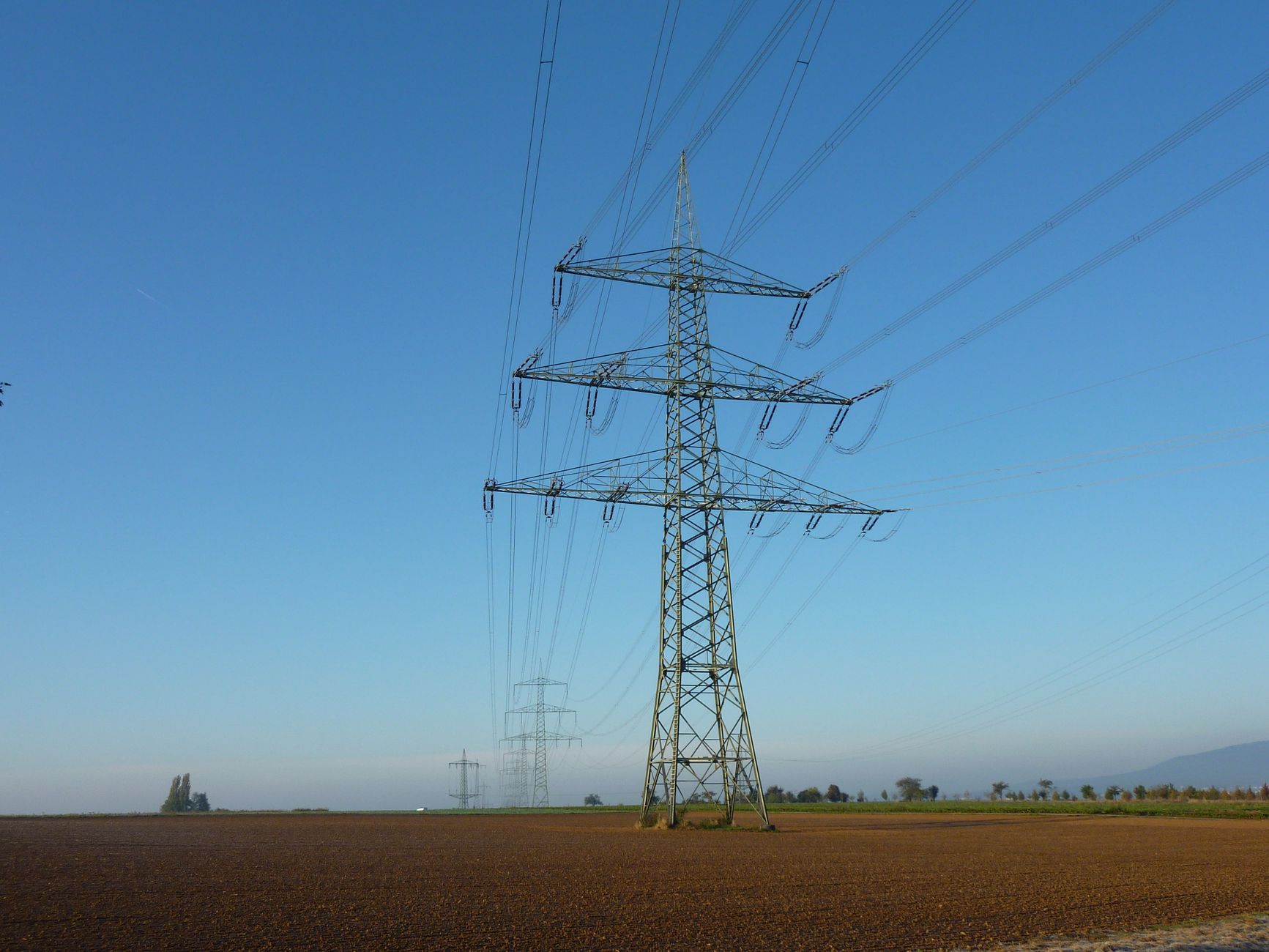
On August 26, Executive Order 14420 was signed, declaring a national emergency regarding the foreign supply of bulk-power system electric equipment. The order targets foreign-made power grid equipment, citing concerns about cyberattacks, sabotage, and supply-chain disruptions that pose a threat to U.S. national security.
The White House emphasized that the rapid expansion of data centers, artificial intelligence, advanced manufacturing, and defense production has increased the nation's reliance on a stable electricity supply. A disruption to the power grid, once primarily an energy issue, now has the potential to impact defense operations, critical infrastructure, emergency services, and significant portions of the economy.
The order addresses two main vulnerabilities. First, foreign-made equipment can introduce direct cybersecurity risks, including the possibility of hidden digital access mechanisms. Second, dependence on overseas suppliers creates a vulnerability if geopolitical tensions or trade disruptions sever access to critical components.
Executive Order 14420 establishes a framework allowing the Energy Secretary to identify specific foreign entities, suppliers, countries, or equipment that present an unacceptable risk. Once identified, transactions involving these designated "Covered Foreign Entities" can be restricted. These restrictions apply to the acquisition, importation, transfer, or installation of foreign-produced bulk-power equipment when the transaction involves a Covered Foreign Entity and meets certain risk conditions.
The specified risk conditions include the potential for sabotage, subversion, unauthorized access, malicious remote action, or disruption to the power system and its supply chain. The scope of the order extends beyond physical equipment to include critical components, software, firmware, digital services, maintenance services, and remote-access capabilities associated with the covered equipment.
Specifically, the order defines covered equipment to include remote terminal units, programmable logic controllers, intelligent electronic devices, distributed control systems, and safety instrumented systems, in addition to transformers, generators, inverters, battery storage systems, protective relays, metering equipment, and high-voltage circuit breakers. The order also allows for consideration of software, firmware, remote access, update mechanisms, and other supply-chain dependencies when assessing security concerns.
The geographical scope of the order focuses on the bulk-power system, encompassing interconnected transmission infrastructure and generation resources essential for grid reliability, including transmission lines rated at 69 kV or higher. Local electricity distribution facilities are not included within this definition.
The Energy Secretary is also empowered to impose conditions on foreign-manufactured or foreign-operated equipment that was installed prior to the order's effective date. Depending on the assessed risk, these measures could require operators to identify, isolate, monitor, secure, disconnect, replace, or remove such equipment.
Crucially, the order mandates that officials consider reliability, safety, the availability of secure replacements, and the continuity of essential services before requiring isolation or replacement of equipment. This acknowledges that removing a component without a suitable replacement could itself create operational problems. Therefore, the order allows for phased compliance and negotiated mitigation measures.
To prevent security screening from becoming a permanent bottleneck in procurement, the Energy Secretary can establish criteria for pre-qualified equipment and vendors. This would create a list of products and suppliers that are exempt from the baseline restrictions.





