
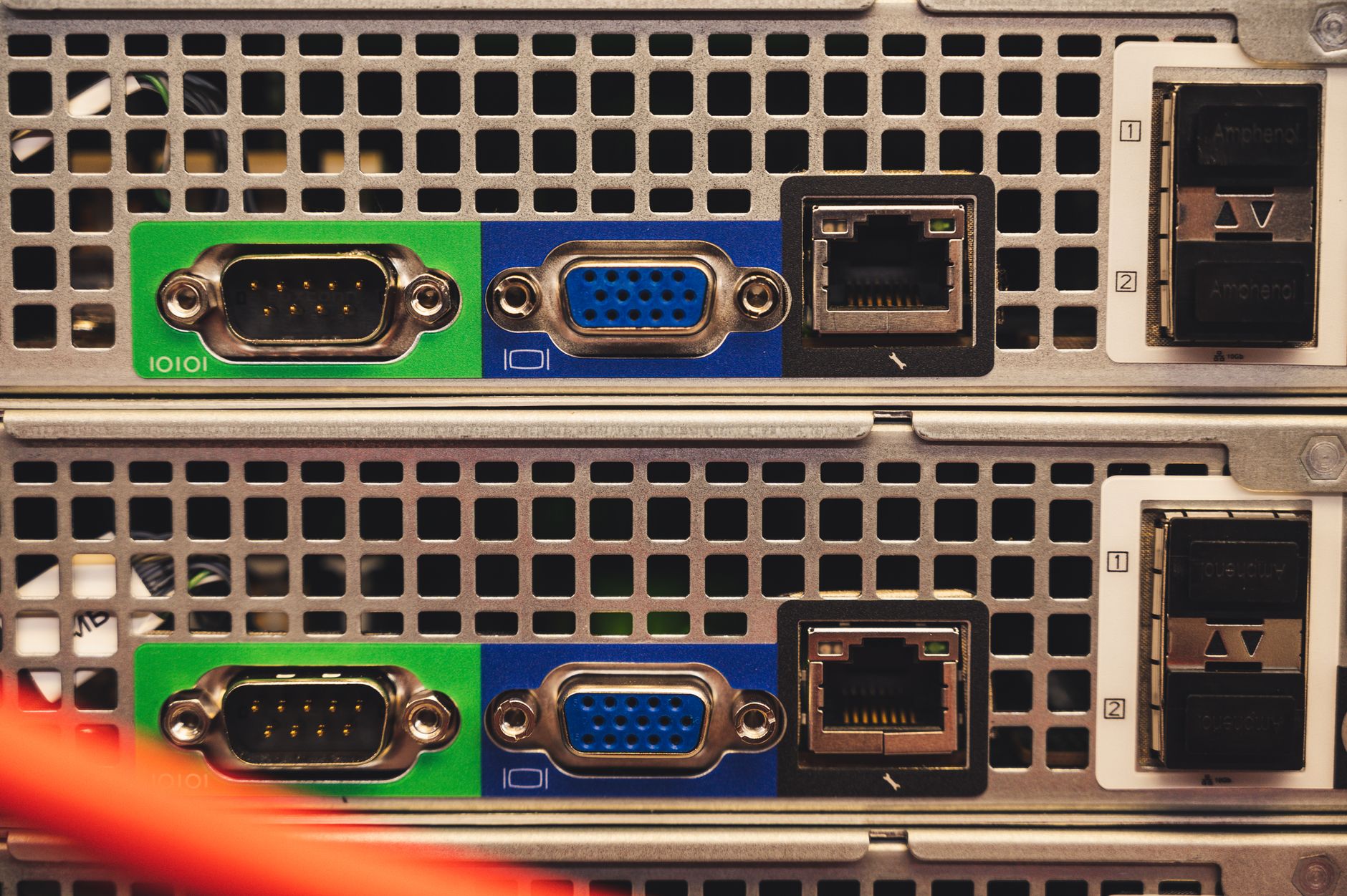
Healthcare software company Unlimited Technology Systems reported that more than 3.8 million people were impacted by a data breach incident that occurred in October 2025. [...]

Unlimited Technology Systems, a healthcare software provider, has confirmed a data breach impacting over 3.8 million individuals. The company specializes in financial and revenue cycle technology for specialty healthcare providers, serving approximately 4,500 clinics and 6,500 providers across the United States.
The breach, which occurred in October 2025, involved unauthorized access to a company server within its commercial data center. Unlimited Technology Systems detected suspicious activity on October 19, 2025, and initiated an investigation with the assistance of a cybersecurity forensic firm.
The investigation determined that an unauthorized actor accessed certain files between October 5 and October 10, 2025. During this five-day period, the attacker may have obtained copies of personal information belonging to patients of the healthcare providers Unlimited Technology Systems serves.
On July 1, 2026, Unlimited Technology Systems began submitting data breach notifications to authorities and distributing notices to affected patients. The U.S. Department of Health and Human Services' breach notification portal now lists the incident as affecting 3,803,750 people.
The types of data potentially exposed include full names, Social Security numbers, dates of birth, email and mailing addresses, phone numbers, and demographic information. More sensitive data such as scans of driver's licenses or other government IDs, insurance cards, intake forms, health insurance policy numbers, claims and benefits information, medical record numbers, and dates of service and diagnosis information were also at risk.
Unlimited Technology Systems has notified law enforcement about the incident. As of the company's disclosure on July 20, 2026, no ransomware or data-extortion groups have publicly claimed responsibility, and the perpetrators have not been identified.
Due to the nature of Unlimited Technology Systems' services, many affected patients may not have a direct relationship with the company itself, potentially causing confusion upon receiving a breach notification. To help mitigate the risks associated with the exposure of sensitive data, Unlimited Technology Systems is offering identity monitoring services through Kroll to those impacted.


JetBrains is urging Cadence users to revoke and rotate all credentials following a security incident last month in which unidentified threat actors exploited a recently disclosed critical vulnerability in TeamCity to breach its own environment. "Cadence users should immediately revoke or rotate all credentials and secrets that may have been used to run their Cadence executions," JetBrains said.
A weakness has been identified in Tenda CP3 27.5.57.101. This issue affects some unknown processing of the file Net/NetCheckPing.cpp. This manipulation of the argument interface_name/host causes os command injection. The attack can be initiated remotely.
A security flaw has been discovered in Tenda CP3 27.5.57.101. This vulnerability affects the function SystemAsh of the file Apis/system.c of the component Kylin. The manipulation of the argument AlarmVoiceURL results in os command injection. It is possible to launch the attack remotely.

OpenAI has announced a $1 billion commitment to provide subsidized access to its Daybreak AI cybersecurity tools for under-resourced critical infrastructure defenders. The initiative, named Daybreak for Frontline Defenders, will offer AI models, training, and technical support over the next six months, prioritizing water and wastewater utilities, electric grid operators, and local government entities. This move aims to equip organizations with limited budgets and staff against increasingly sophisticated cyber threats.

Attackers are exploiting a new unpatched vulnerability in Magento Open Source and Adobe Commerce that lets them run malicious code on an online store's server without logging in, Dutch e-commerce security company Sansec said in an advisory published on September 5. Sansec, which discovered the flaw and named it StyleSmuggler, said attacks started on September 4. "Sansec is publishing early
In BPF instructions that load/store a value from/to a scratch memory register the register index is an unsigned 32-bit integer and must not exceed 15, but libpcap BPF interpreter does not validate the value. In particular uncommon use cases a crafted filter program can cause the interpreter to try reading and writing the OS process memory in the 16GiB starting at the current stack frame on 64-bit architectures and in the entire address space on 32-bit architectures.



