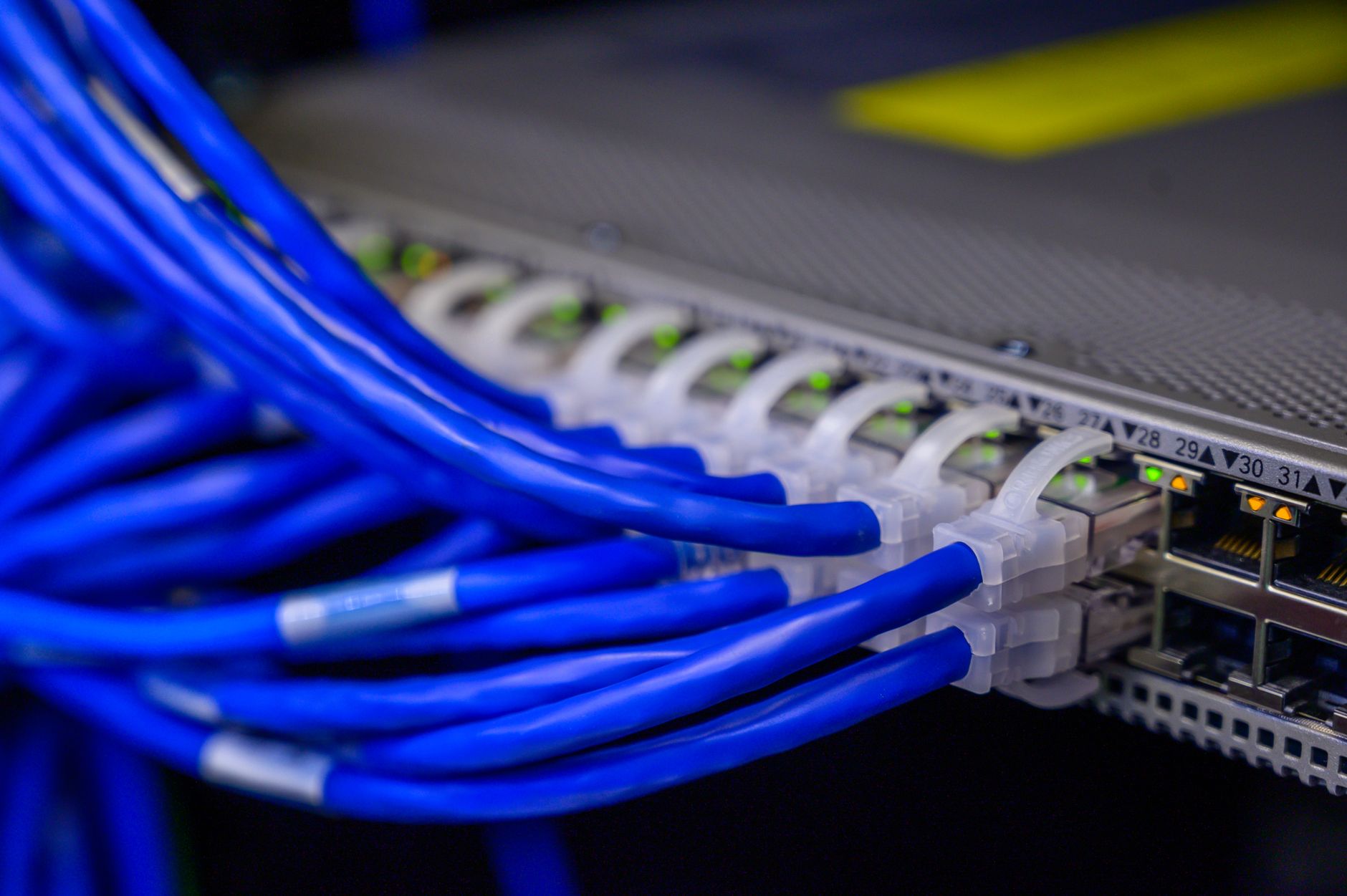
A chief information security officer has leveraged artificial intelligence to address a growing challenge: the sheer volume of data generated by security tools, particularly firewall logs, has become a significant liability for both security operations and organizational budgets. This deluge of information, while intended to enhance security posture, has in many cases overwhelmed security teams and strained financial resources.
The CISO's approach focused on identifying and filtering out data that, despite being logged, did not offer substantial security value. This initiative aimed to streamline the data flow into the Security Information and Event Management (SIEM) system, reducing noise and allowing security analysts to concentrate on more critical alerts and potential threats.
The problem stems from the rapid expansion of digital infrastructure and the increasing sophistication of security monitoring. As organizations deploy more devices, applications, and cloud services, the volume of logs generated by these components escalates dramatically. Firewall logs, in particular, can be extremely verbose, capturing a vast amount of network traffic data that may not always be relevant for immediate threat detection or forensic analysis.
This excessive data volume poses several risks. Firstly, it can lead to alert fatigue among security analysts. When faced with an overwhelming number of alerts, many of which may be false positives or low-priority events, analysts can miss genuine security incidents. This can significantly degrade the effectiveness of the security operations center (SOC).
Secondly, the storage and processing of massive log datasets incur substantial costs. SIEM solutions, cloud storage, and the necessary hardware and personnel to manage them represent a significant financial investment. As data volumes grow, these costs can become unsustainable, diverting budget from other essential security initiatives.
The CISO's solution involved implementing AI-powered tools to analyze the incoming data streams. These AI systems were trained to distinguish between high-fidelity security events and routine, low-risk network activity. By intelligently filtering the data before it reached the SIEM, the organization could significantly reduce the volume of information processed and stored.
This selective data ingestion allows the SIEM to focus on the most pertinent information, improving the signal-to-noise ratio. Security teams can then dedicate their time and resources to investigating genuine threats, enhancing their ability to detect and respond to sophisticated attacks more effectively.
While the specific AI technologies and methodologies used were not detailed, the principle involves machine learning algorithms capable of understanding patterns, identifying anomalies, and classifying data based on its potential security impact. This proactive filtering transforms raw log data into actionable intelligence.
The successful implementation of this AI-driven filtering strategy offers a potential blueprint for other organizations struggling with similar data management challenges. It highlights the need for a more intelligent and cost-effective approach to security data, moving beyond simply collecting everything to strategically curating the most valuable information. This shift is crucial for maintaining an effective security posture in an increasingly data-intensive environment.