
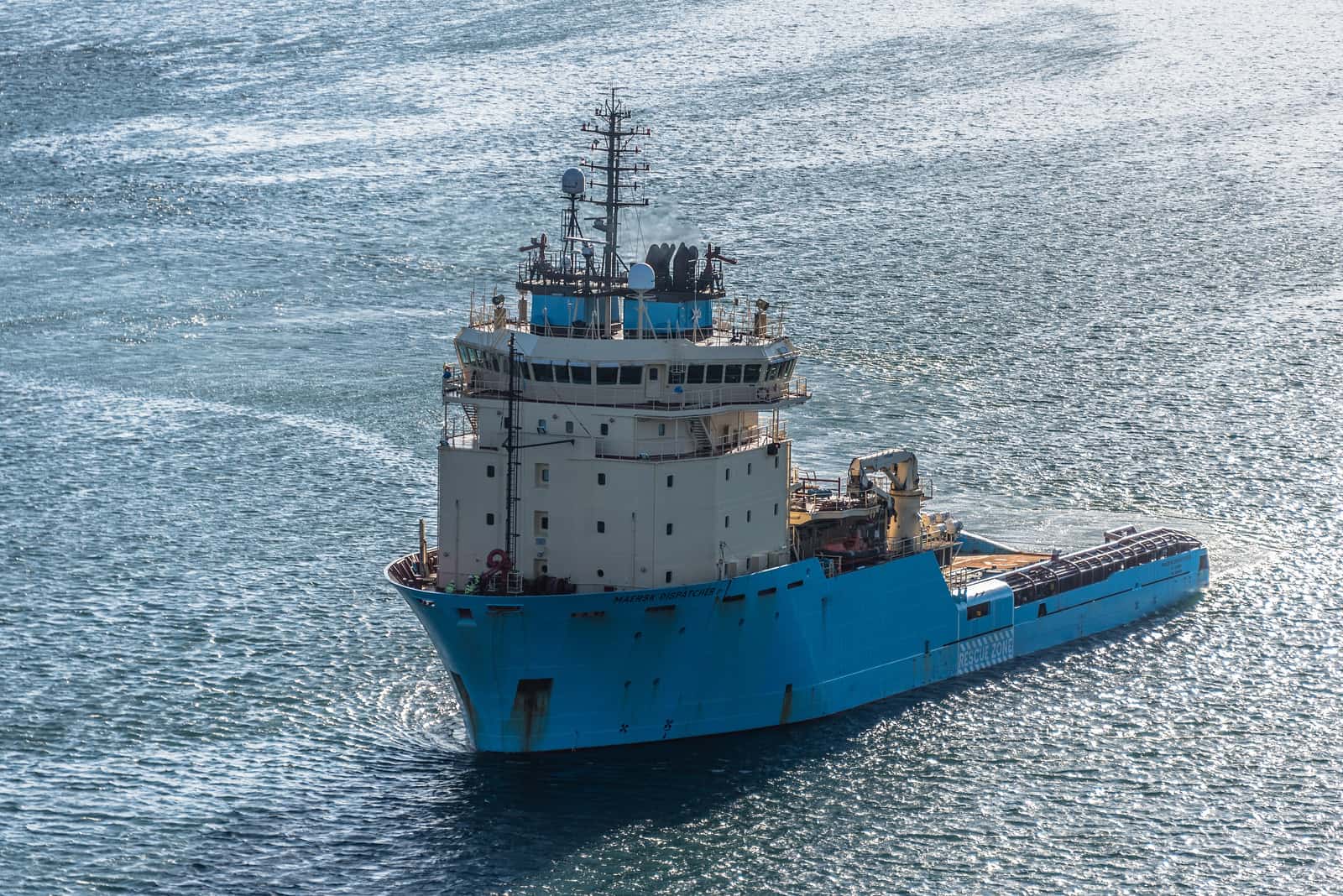
A.P. Moller-Maersk, the global shipping and logistics conglomerate, has confirmed that it is investigating a security incident involving unauthorized access to a local legacy system. The company disclosed the breach on November 11, 2026, noting that the affected infrastructure was inherited through a previous corporate acquisition. Maersk stated that it took immediate action to secure the system upon discovery and that its internal investigation remains ongoing.
While Maersk has acknowledged the intrusion, it has provided limited details regarding the nature of the compromised data. The company maintains that its preliminary findings suggest no sensitive information was exposed. Furthermore, Maersk emphasized that the incident appears isolated to the specific legacy platform, with no evidence of impact on its broader network, customer-facing applications, or partner integrations such as APIs and EDI. The company expects no disruption to its global shipping and logistics operations.
Contrasting with the company’s assessment, the threat actor group known as WhiteArmor has claimed responsibility for the attack. On its Tor-based leak site, the group alleged that it successfully exfiltrated approximately 100GB of data from the OCF/LF Logistics platform. This platform, which supports supply chain and fulfillment operations, was part of the LF Logistics business that Maersk acquired from the Li & Fung Group in 2022. Maersk has not confirmed whether this specific platform is the legacy system referenced in its public statement.
WhiteArmor has issued a ransom demand of $5 million in Bitcoin, providing a 30-day window for payment. To justify the demand, the attackers characterized the sum as being roughly equivalent to four hours of the logistics division's earnings. The group claims the stolen dataset includes approximately 30,000 driver records, 33 super administrator accounts, and various internal documents, including signed delivery receipts, inventory records, purchase orders, and advance shipping notices.
Additionally, the attackers allege that the stolen cache contains 27,842 mobile device logs, which purportedly include email addresses, phone numbers, and IMEI identifiers. WhiteArmor also claims that the data includes passwords stored in plain text. These specific assertions regarding the volume and nature of the exfiltrated files originate solely from the threat actors and have not been independently verified or corroborated by Maersk.
Maersk, which operates a fleet of roughly 700 container ships and manages 60 terminals worldwide, remains a significant target for cyber threats due to its central role in global trade. The company’s cybersecurity posture has been a subject of intense focus since the 2017 NotPetya incident, which caused widespread operational disruption and significant financial losses.
In its official communication, Maersk pledged to provide further updates as its investigation progresses. The company stated that it would notify any parties found to be impacted by the incident if the ongoing forensic review determines that such action is necessary. For now, the company maintains that customers can continue to manage shipments and utilize its platforms without interruption.




