
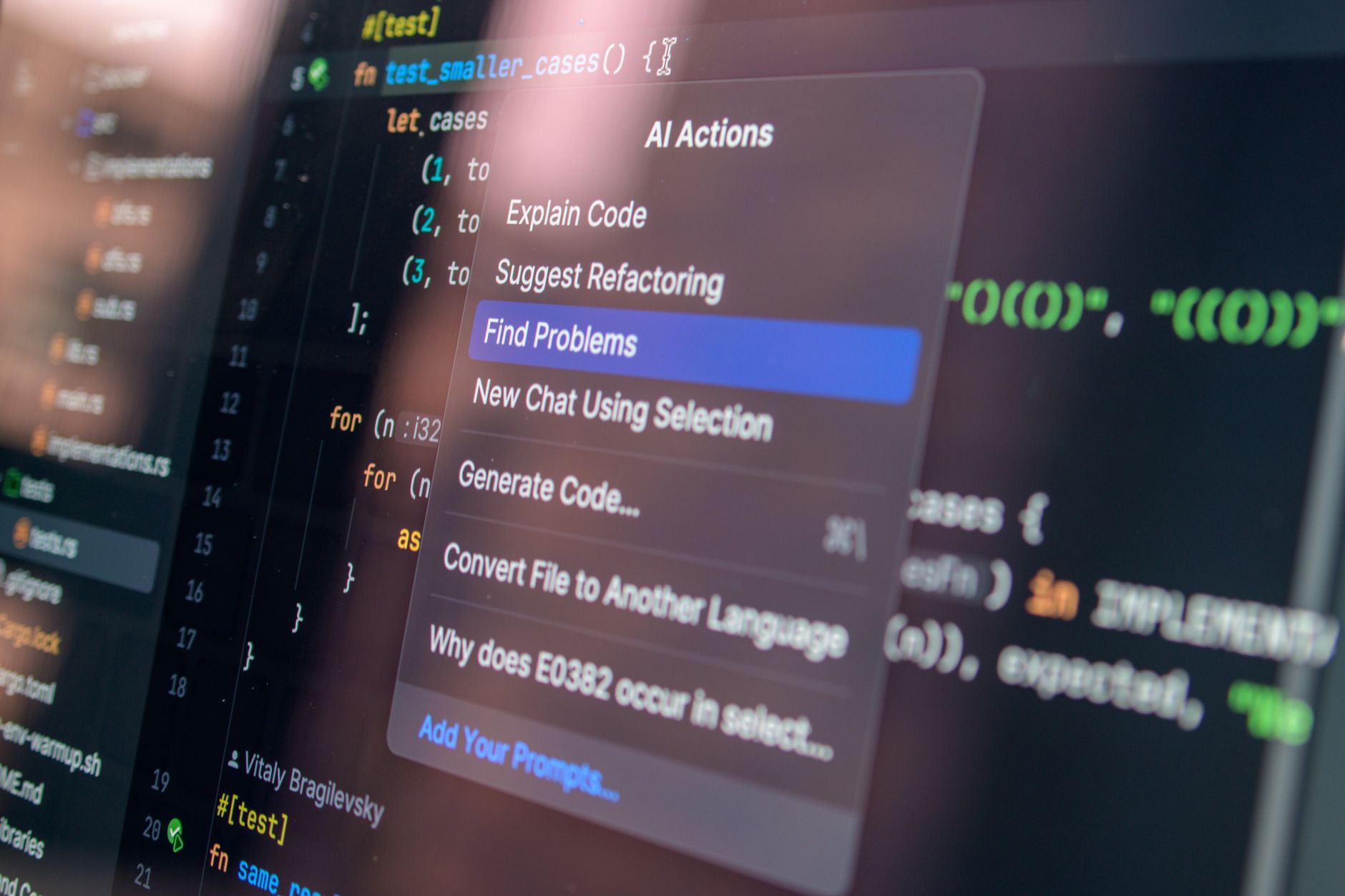
A recent study examining over 6,000 AI-generated software patches has revealed a significant failure rate, with approximately half of these automated fixes either failing to resolve the original issue, introducing new vulnerabilities, breaking existing functionality, or being susceptible to bypass. This finding suggests that while AI holds promise for accelerating the patching process, its current implementation in this domain still presents considerable risks and requires careful human oversight.
The research indicates that the mechanisms by which these AI-generated patches fail are multifaceted. Some patches simply do not correctly address the underlying vulnerability, leaving the system exposed. Others, even when seemingly fixing the initial flaw, inadvertently introduce new bugs or regressions into the codebase, leading to unexpected application behavior or stability issues. A particularly concerning failure mode highlighted is the introduction of new security vulnerabilities or bypasses, where the AI's "fix" creates a different pathway for attackers to exploit the system.
This class of issue is particularly relevant for automated code generation and repair tools, which are increasingly being explored to enhance developer productivity and security response times. Products in this category typically leverage machine learning models trained on vast datasets of existing code, vulnerabilities, and patches to identify patterns and generate corrective code. The complexity of software systems, however, means that subtle interactions between different code components can be difficult for even advanced AI models to fully comprehend and correctly modify without unintended side effects.
The scope of impact for such unreliable patches can be broad, affecting any software system where AI-generated fixes are deployed without rigorous validation. Organizations relying on these automated solutions for rapid vulnerability remediation could inadvertently be deploying fixes that either provide a false sense of security or actively degrade their systems. This risk is amplified in environments with complex interdependencies or legacy codebases, where the AI's understanding of the system's full context might be limited.
Typical mitigation guidance for issues arising from automated code generation emphasizes the critical need for comprehensive testing and human review. This includes thorough unit testing, integration testing, and regression testing to identify new bugs or broken functionality. For security-sensitive patches, a dedicated security review by human experts is essential to detect any newly introduced vulnerabilities or potential bypasses. Furthermore, a robust rollback capability is crucial, allowing organizations to quickly revert to a stable state if a deployed patch proves problematic.
The findings underscore a broader challenge in the adoption of AI for critical software development tasks. While AI offers compelling advantages in terms of speed and scale, its current limitations in understanding nuanced context, anticipating complex interactions, and ensuring absolute correctness mean that human expertise remains indispensable. As AI continues to evolve, the focus will likely shift towards hybrid approaches that combine AI's generative capabilities with human intelligence for validation, refinement, and ultimate decision-making, particularly in high-stakes areas like security patching.





