
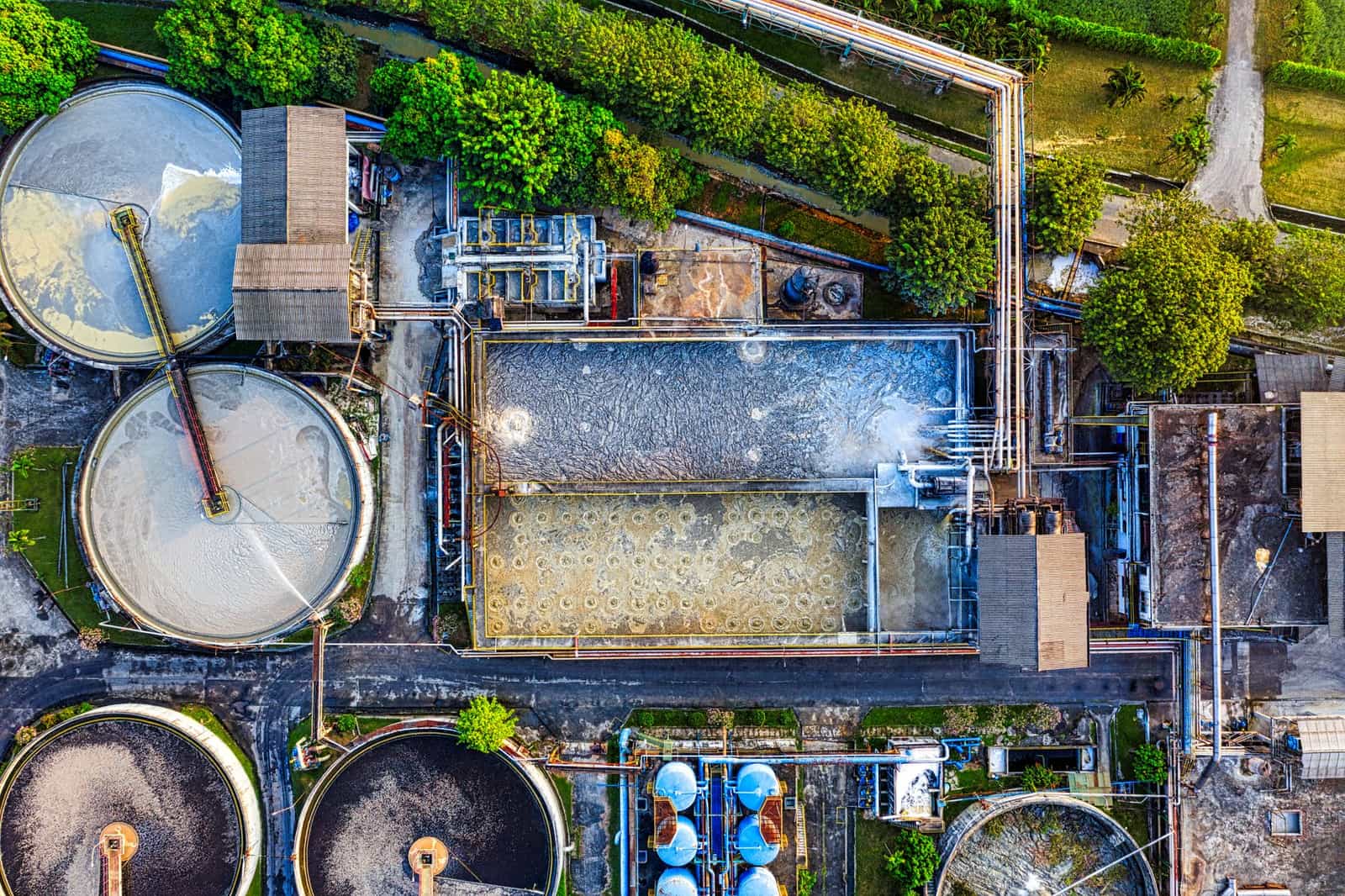
A ransomware attack involving the Booba strain struck an East Coast water treatment plant in November 2026, subsequently spreading to the network of the local government agency responsible for the facility's oversight. While the incident highlights ongoing vulnerabilities within critical infrastructure, there is no evidence that the attack disrupted water operations or services.
The breach exposed a significant security gap caused by fragmented network management. The water plant and the local government operated on distinct networks maintained by different service providers. The security firm ThreatDown, which provided managed detection and response services for the government network, was unaware of the connection between the two systems until the incident occurred. The attackers leveraged this lack of visibility to move laterally from the water plant—where the security firm had no monitoring presence—into the government systems.
ThreatDown analysts observed the intrusion when they received multiple alerts indicating that files on a government workstation had been renamed with the .booba extension. Forensic analysis confirmed that the encryption originated from a machine on the water plant’s network that lacked the firm's security software. Because the firm could not monitor the source of the attack, it opted to isolate 40 workstations and eight servers to contain the threat.
The containment measures successfully protected 45 of the 48 targeted machines, though three systems were encrypted before the response could be completed. The security firm attempted to roll back the encrypted files, though the success of this recovery effort remains unconfirmed. The water plant’s separate provider eventually took all of its systems offline to conduct an on-site cleanup.
Booba ransomware is a relatively new threat that emerged in the summer of 2026. According to data from ThreatDown, it has rapidly become a dominant force in the cybercrime landscape, accounting for nearly half of the ransomware compromises handled by the firm over the preceding 90-day period. Independent tracking by SOCRadar, which refers to the group as the Booba Project, recorded 81 claimed attacks by mid-November 2026, including several targeting local government entities.
Despite the rise in attacks on critical infrastructure, investigators have found no evidence linking the Booba incident to state-sponsored actors. The group is currently categorized as a cybercriminal enterprise. The attackers' ultimate objectives remain unclear, as ThreatDown was never granted access to the water plant’s systems to conduct a comprehensive forensic investigation.
This incident underscores the broader challenges facing the U.S. water and wastewater sector, which is increasingly targeted by malicious actors. Federal agencies and industry groups have noted that many of the approximately 50,000 community water systems in the United States serve small or rural populations and often lack robust cybersecurity defenses. The National Rural Water Association reported that nearly 100 utilities across 26 states sought assistance from its Water Watch Center within the first three months of its launch in August 2026.
The attack serves as a reminder of the risks posed by internet-exposed industrial control systems. While previous incidents have forced operators to switch to manual controls or issue public health notices, the Booba attack did not result in such operational failures. Nevertheless, the incident has prompted renewed calls for better integration of security monitoring across interconnected government and utility networks to prevent similar blind spots from being exploited in the future.