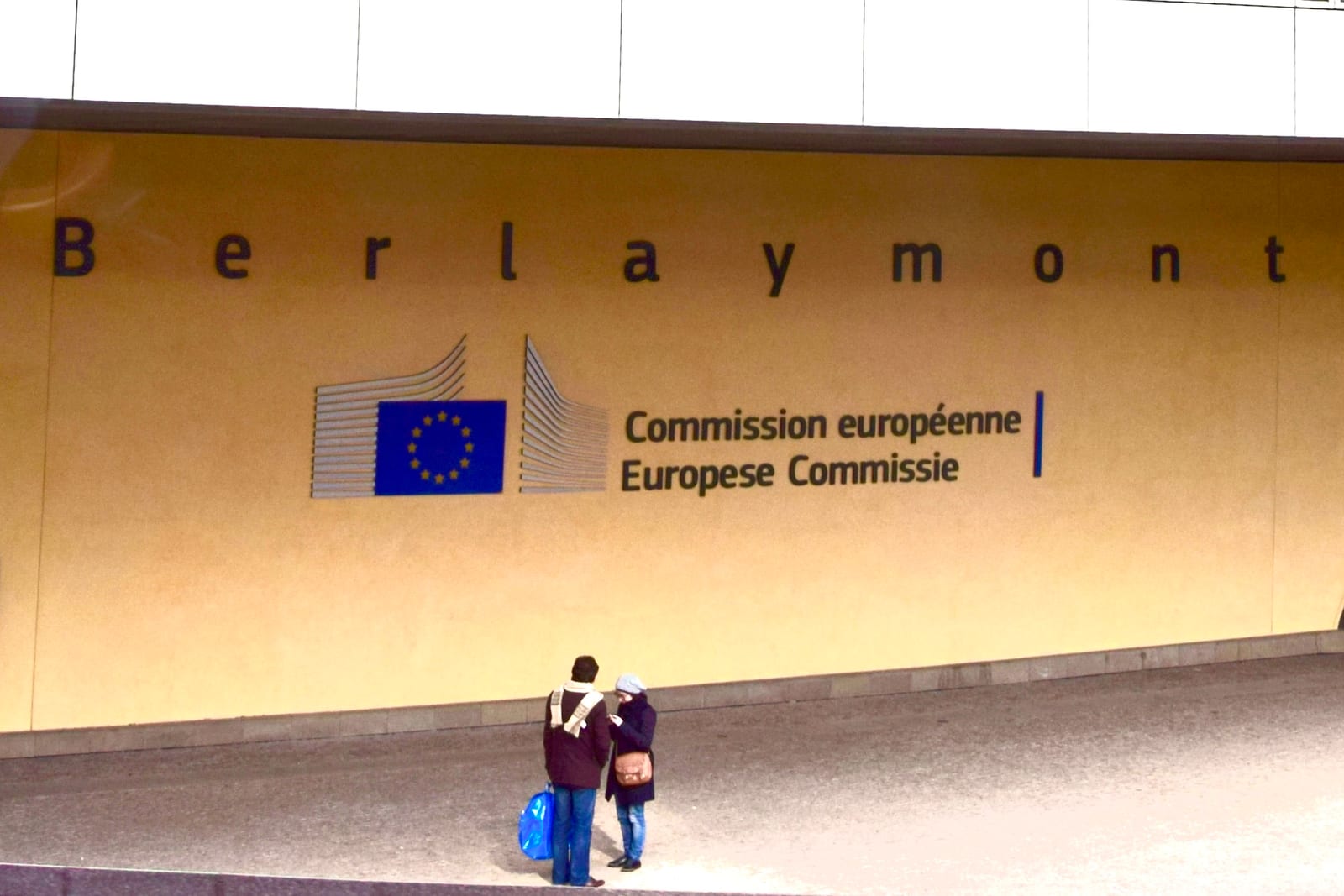
The European Commission has officially confirmed that its digital infrastructure was targeted by a cyber campaign utilizing a publicly available artificial intelligence tool. During a press briefing in Brussels, Commission spokesperson Thomas Regnier stated that the institution identified the activity as a misuse of AI technology, which necessitated the temporary suspension of several internal applications as a precautionary measure. While the Commission has since restored most of these services, the investigation into the incident remains active.
The breach was first identified on October 22, with the Commission confirming the nature of the attack following a preliminary investigation on October 26. Regnier emphasized that the delay in public disclosure was a standard procedural choice intended to ensure the effectiveness of the defensive measures taken. He maintained that the Commission followed established protocols by coordinating with CERT-EU and the European Data Protection Supervisor throughout the response process.
Although the Commission has not officially named the software used by the attackers, reports indicate that the activity involved a framework known as ARTEX. CERT-EU issued a warning regarding this tool on November 5, characterizing it as an AI-powered penetration-testing utility. While the original repository for the tool was removed from public access in October due to concerns regarding its potential for misuse, various forks of the project remain accessible, a fact that security analysts suggest will likely facilitate further adoption by malicious actors.
Regarding the impact of the campaign, the Commission stated that there is currently no evidence to suggest that personal data belonging to staff members was compromised. Officials also clarified that the incident did not involve a ransomware demand. When pressed for details on the identity of the threat actors or their specific objectives, the Commission declined to comment, citing the ongoing nature of the investigation and the sensitivity of the security probe.
The Commission spokesperson declined to confirm or deny whether the attackers were linked to any specific nation-state, specifically sidestepping inquiries about whether the tool was of Chinese origin. Furthermore, the Commission refused to disclose whether it employs its own AI-driven defensive measures, citing security concerns. Regnier noted that the institution is well aware of the dual-use nature of AI, acknowledging that while the technology is a powerful asset for vulnerability detection and defense, it is simultaneously being leveraged by adversaries to conduct sophisticated operations.
The incident highlights the growing challenge of AI-augmented threats within the European administrative landscape. While the Commission stopped short of characterizing the scale of the attack, it described the event as a campaign consisting of a series of incidents. The institution continues to work with cybersecurity agencies to monitor for similar activity, though it declined to speak on behalf of other European Union bodies regarding their own potential exposure to the same threat.