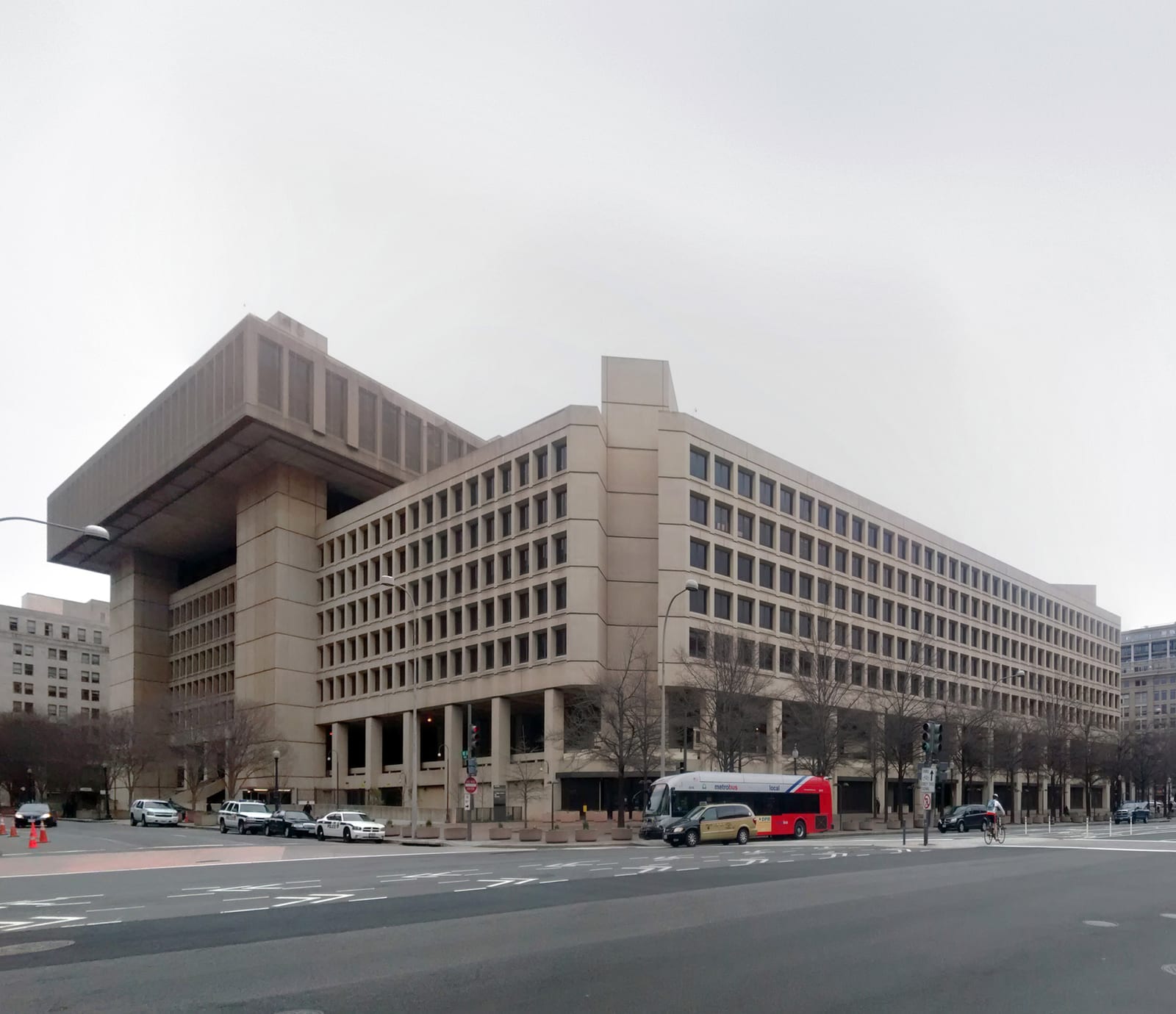
The Federal Bureau of Investigation is currently investigating a potential data breach involving the National Crime Information Center, a critical database used by law enforcement agencies across the United States. The system serves as a centralized repository for sensitive information, including records on fugitives, missing persons, and outstanding criminal warrants. While the FBI has not provided an official statement regarding the incident, reports indicate the unauthorized access occurred on Thursday.
The potential exposure of the National Crime Information Center is particularly significant due to the nature of the data it hosts. Because the database is shared among federal, state, and local law enforcement, it contains investigative files and personal information that are highly sensitive. President Donald Trump confirmed he has been briefed on the situation, characterizing the incident as negative and expressing concern that the breach could potentially lead to the public disclosure of investigative files.
This incident marks the second time this year that the FBI has faced a cybersecurity challenge. In September, the bureau’s employment portal was compromised by the hacking group known as ShinyHunters. That breach resulted in the alleged theft of personal data belonging to the entire FBI workforce. Authorities have since taken action in response to that earlier incident, leading to the arrest of several individuals, including a Canadian cybersecurity expert.
The breach of the National Crime Information Center follows a broader trend of cyberattacks targeting high-level U.S. government infrastructure throughout the year. In October, a platform utilized by federal bankruptcy courts nationwide was taken offline by hackers. Additionally, the Bureau of Alcohol, Tobacco, Firearms and Explosives suffered a major ransomware attack in August that compromised a computer system containing information related to active investigations.
Other federal agencies have faced similar disruptions in recent months. The Department of Defense and the Department of Transportation have both reported cybersecurity incidents within their networks. Furthermore, the Department of Agriculture was forced to suspend multiple systems used for processing payments to farmers following a cyberattack that occurred just last week.
As the investigation into the National Crime Information Center continues, the scope of the data accessed remains unverified by official government sources. While the potential for the unauthorized release of sensitive law enforcement records has been raised by political leadership, the FBI has yet to confirm the specific extent of the intrusion or the identity of the actors involved. The situation remains an active matter of concern for federal cybersecurity officials.