LIVE · cybersecurity feed
Live wire
CVE-2024-24809 · Traccar Path Traversal Vulnerability Added to VulnCheck Exploitation CatalogueCVE-2026-114432 · Rocklobster Contact Form 7 Vulnerability Exploited On Day Of DisclosureCVE-2026-116751 · Amelia Booking Plugin SQL Injection Vulnerability Exploited One Day After DisclosureCVE-2024-44006 · OnTheGoSystems WooCommerce Multilingual Plugin Vulnerability Added To VulnCheck KEVCVE-2026-28039 · TMS wpDataTables Vulnerability Listed As Exploited After 236 DaysCVE-2026-95610 · UpSolution Core SQL Injection Vulnerability Added To VulnCheck KEVCVE-2024-2544 · Sygnoos Popup Builder Vulnerability Listed As Exploited After 870 DaysCleverbridge warns hackers stole credit card numbers, CVVs in data breachCVE-2026-107441 · Zyxel GS1900 Series Switches Vulnerability Exploited On Day Of DisclosureCVE-2026-62032 · Designinvento DirectoryPress Flaw Added To VulnCheck KEV After 28 Days
CVE-2026-116751high

Amelia Booking Plugin SQL Injection Vulnerability Exploited One Day After Disclosure

The Amelia Booking for Appointments and Events Calendar plugin is vulnerable to SQL injection, with exploitation reported just one day after the CVE publication.

ZeroDay News ·

A critical SQL injection vulnerability affecting the Amelia booking plugin for WordPress has been identified as the subject of active exploitation. Designated as CVE-2026-116751, the flaw was officially published on November 7, 2026, after being reserved in late October of the same year. According to security tracking data, evidence of exploitation emerged just one day after the vulnerability was disclosed to the public.

The security issue, which resides within the Amelia plugin, allows unauthorized actors to potentially manipulate database queries. By exploiting this weakness, an attacker could theoretically gain unauthorized access to sensitive information or perform unauthorized operations within the WordPress environment where the plugin is installed.

The timeline of this incident is notably compressed. While the CVE record was published on November 7, 2026, the first reports of active exploitation surfaced on November 8, 2026. This rapid transition from disclosure to weaponization underscores the urgency for administrators to address the vulnerability.

The claim of active exploitation currently relies on data from a single commercial vulnerability tracking catalog. While this source lists the vulnerability as actively exploited, it is important to note that other major government and international cybersecurity databases, including the CISA Known Exploited Vulnerabilities (KEV) catalog and the European Union’s ENISA database, have not yet officially added this CVE to their lists of confirmed exploited threats.

Public evidence of the exploitation was initially documented on November 8, 2026, via a vulnerability database maintained by Patchstack. This report serves as the primary basis for the current classification of the flaw as being under active attack. While these findings are being tracked by security researchers, the specific mechanics of the exploits in the wild remain subject to ongoing analysis.

The vulnerability has not yet been assigned a formal CVSS severity score in the public NVD record, nor has a specific weakness classification been finalized in the official CVE entry. Despite the lack of an official severity rating, the speed at which the flaw was leveraged by attackers suggests that it poses a significant risk to organizations utilizing the Amelia booking plugin.

Administrators and security teams responsible for WordPress environments are advised to verify their current version of the Amelia plugin. Because the vulnerability is being actively targeted, users should prioritize applying any available security patches or updates provided by the plugin developers to mitigate the risk of unauthorized database access.

As of the current reporting, there has been no formal statement from the plugin developers confirming the extent of the exploitation or the specific versions impacted. Security professionals are encouraged to monitor official security advisories and the plugin’s changelog for further guidance on remediation. Until a patch is verified and applied, minimizing the plugin's exposure or implementing additional database monitoring may be necessary to detect potential intrusion attempts.


vulnerabilities in this storyCVE-2026-116751
vulnerability
ShareXLinkedInWhatsAppFacebook

More News

view all →
vulnerability

$1 of GPT-5.1 tokens finds new ways around China’s Great Firewall

Researchers have developed an automated system capable of identifying methods to bypass national internet censorship infrastructure, including China’s Great Firewall, for less than one dollar in computing costs. The tool, named CircumVolve, was detailed in a paper presented last week at the Association for Computing Machinery’s Conference on Computer and Communications Security. The research…

vulnerability

Debian 13.8 bundles kernel and Chromium security fixes with a 122-package bugfix list

The Debian project has officially released version 13.8, marking the eighth point release for the stable Trixie series. This update serves primarily as a collection of previously issued security advisories and critical bug fixes, consolidating various patches into a single, cohesive release. Users who maintain their systems by regularly pulling updates from the project’s security repositories…

CVE-2024-24809high

Traccar Path Traversal Vulnerability Added to VulnCheck Exploitation Catalogue

CVE-2024-24809, a path traversal vulnerability in Traccar, was added to the VulnCheck KEV catalogue on November 8, 2026, after remaining unlisted for 942 days.

CVE-2026-114432high

Rocklobster Contact Form 7 Vulnerability Exploited On Day Of Disclosure

The rocklobster Contact Form 7 plugin is currently under exploitation, yet it remains absent from the CISA KEV and EUVD catalogues.

CVE-2024-44006high

OnTheGoSystems WooCommerce Multilingual Plugin Vulnerability Added To VulnCheck KEV

The OnTheGoSystems WooCommerce Multilingual and Multicurrency plugin vulnerability, CVE-2024-44006, was added to the VulnCheck KEV catalogue over two years after its initial publication.

vulnerability

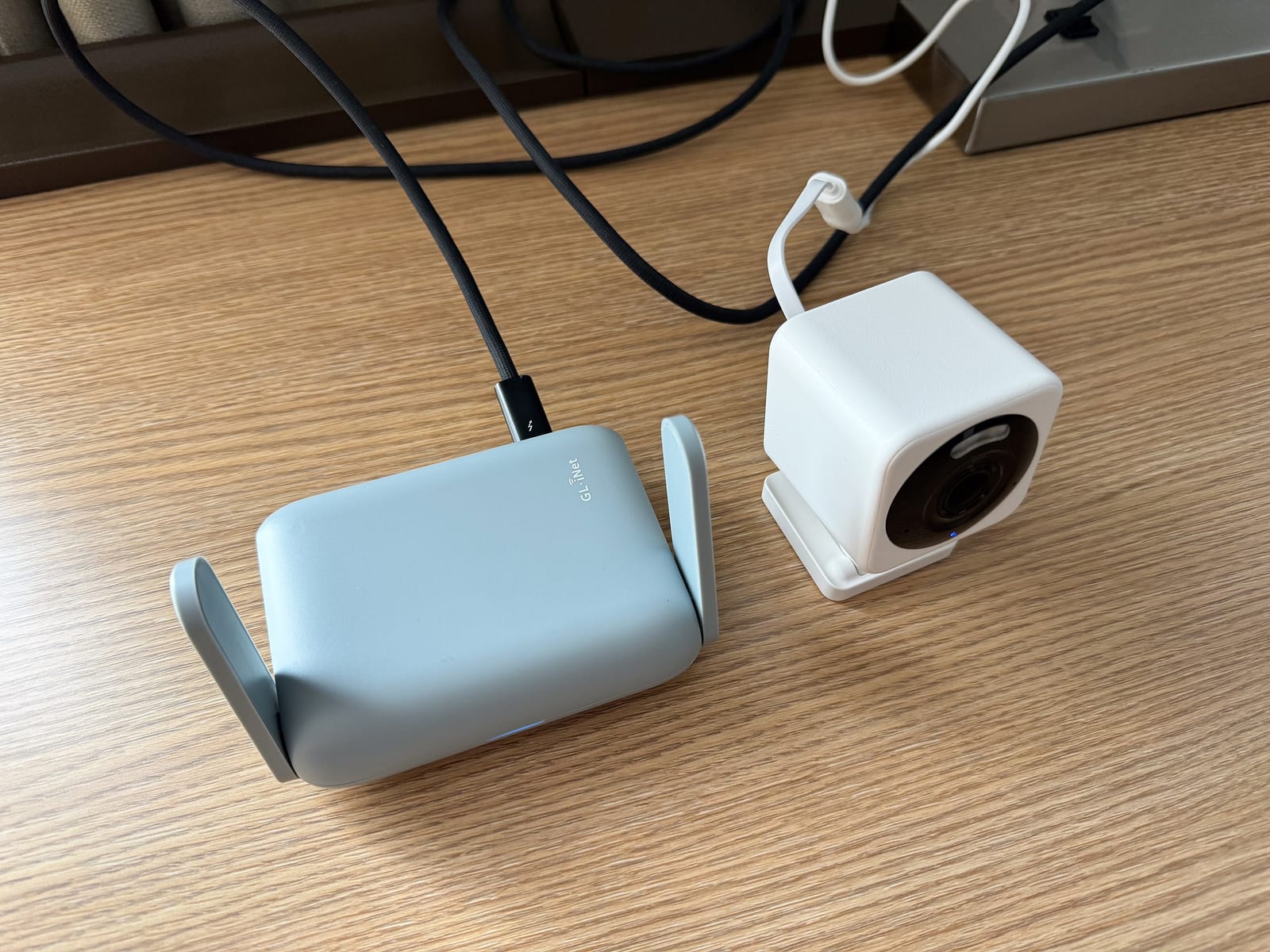
Hackers exploit GL.iNet cloud flaw to infect routers, KVM devices

GL.iNet has confirmed that its GoodCloud remote management platform was exploited by unauthorized parties to deploy custom malware across its line of routers and KVM (Keyboard, Video, Mouse) devices. The company issued a security advisory on November 20, 2026, stating that it has since patched the cloud-side vulnerability and blocked the specific access path used by the attackers. While the…