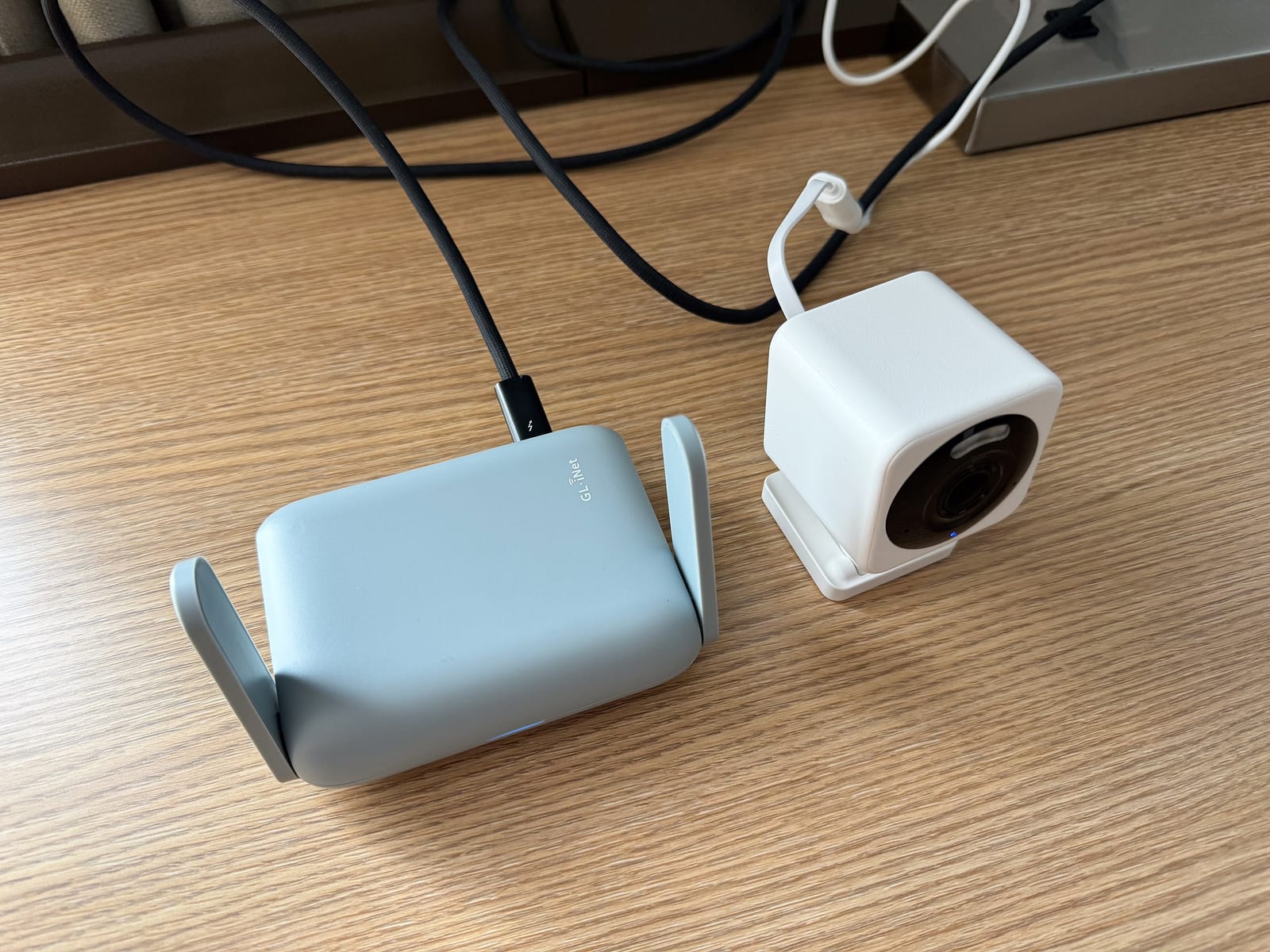
GL.iNet has confirmed that its GoodCloud remote management platform was exploited by unauthorized parties to deploy custom malware across its line of routers and KVM (Keyboard, Video, Mouse) devices. The company issued a security advisory on November 20, 2026, stating that it has since patched the cloud-side vulnerability and blocked the specific access path used by the attackers. While the company maintains that the attack vector is closed, it emphasized that these measures do not automatically purge existing malware from already compromised hardware.
The scope of the incident remains under investigation. GL.iNet has not publicly disclosed the exact nature of the cloud vulnerability, the total number of affected customers, or whether any sensitive data was exfiltrated from the compromised systems. There is particular concern regarding the KVM devices, as these units allow for the remote control of connected computers and servers; the company is currently assessing whether the attackers were able to move laterally from the KVM hardware into the host machines.
Technical analysis of the malware reveals a sophisticated, multi-stage campaign. Evidence collected from infected devices includes the presence of a malicious script, identified as ni.sh, which is specifically engineered to target GL.iNet hardware. This script establishes persistence by modifying startup scripts and scheduled tasks, ensuring the malware survives device reboots. To evade detection, the malware disguises its primary process as a legitimate cron task and replaces the standard netstat utility with a modified version designed to filter out and hide network connections to attacker-controlled infrastructure.
The malware also facilitates remote control through the installation of unauthorized SSH keys and the deployment of root-level reverse shells. These shells have been observed connecting to external IP addresses, including 170.39.226.219, allowing attackers to execute arbitrary commands on the underlying Linux operating systems of the routers and KVMs. Researchers have identified additional malicious payloads, including Lua scripts injected into system startup files, which are capable of gathering device information and downloading further secondary modules.
While GL.iNet has confirmed the cloud-based breach, independent researchers have pointed to a potential command injection vulnerability within the GoodCloud client’s AstroWarp/SD-WAN functionality. This specific flaw reportedly allows cloud-supplied values to be passed into shell commands with root privileges without adequate validation. Although this vulnerability has been identified by third parties, GL.iNet has not officially confirmed that it served as the entry point for the November attacks.
The timeline of the compromise remains ambiguous. While the company’s advisory focused on the November incident, some recovered malicious files contain timestamps dating back to December 2025. This suggests that some devices may have been infected for nearly a year, though it is not yet clear if these earlier incidents are linked to the same threat actors or represent separate, unrelated campaigns. Furthermore, some compromised devices have exhibited behavior consistent with a peer-to-peer network, including frequent communication with thousands of residential IP addresses and interactions with the TRON blockchain API.
GL.iNet has released firmware updates to address the security gaps, specifically recommending versions 1.10.3 or later for various RM-series KVM models and 1.8.7 for the RMQ1. For router owners, the company advises installing the latest available security firmware. Because malicious files can reside in configuration directories and persist through standard updates, the company is recommending that users who suspect compromise perform a full factory reset without restoring old configuration files.
To assist with remediation, GL.iNet has provided a community-developed detection and cleanup tool. This utility scans for known malicious files, modified system utilities, and unauthorized configuration changes. The company has urged users to rotate all credentials and access keys associated with their devices. Additionally, GL.iNet has requested that users who run the scanner submit anonymous reports to help the company better understand the extent of the infection and the variety of device models impacted.