
LIVE · cybersecurity feed
Live wire
CVE-2026-28039 · TMS wpDataTables Vulnerability Listed As Exploited After 236 DaysCVE-2026-95610 · UpSolution Core SQL Injection Vulnerability Added To VulnCheck KEVCVE-2024-2544 · Sygnoos Popup Builder Vulnerability Listed As Exploited After 870 DaysCleverbridge warns hackers stole credit card numbers, CVVs in data breachCVE-2026-107441 · Zyxel GS1900 Series Switches Vulnerability Exploited On Day Of DisclosureCVE-2026-62032 · Designinvento DirectoryPress Flaw Added To VulnCheck KEV After 28 DaysCVE-2024-1775 · Nextend Social Login Vulnerability Added To VulnCheck KEV After 981 DaysCVE-2013-2165 · Red Hat JBoss RichFaces Vulnerability Added To VulnCheck KEV After 13 YearsCVE-2026-15760 · Divi Essential Plugin Missing Authorization Flaw ExploitedOpenRouter Drops 3 Providers After Researchers Catch Months of Prompt Theft at AI Hosting Firms
nation-state

When Executive Impersonation Spreads Across Multiple Platforms

Executive impersonation campaigns are increasingly evolving beyond single-platform schemes, utilizing a coordinated mix of fake social media accounts, cloned websites, and misappropriated identity materials to deceive targets. These multi-channel efforts are designed to create a veneer of legitimacy that a single fraudulent profile might otherwise lack. By synchronizing activity across…

ZeroDay News ·

Source: HackRead

Executive impersonation campaigns are increasingly evolving beyond single-platform schemes, utilizing a coordinated mix of fake social media accounts, cloned websites, and misappropriated identity materials to deceive targets. These multi-channel efforts are designed to create a veneer of legitimacy that a single fraudulent profile might otherwise lack. By synchronizing activity across different digital touchpoints, attackers aim to increase the perceived authority of the impersonated executive, making it more difficult for employees or partners to identify the deception.

The technical mechanism behind these campaigns often involves the systematic harvesting of publicly available information, such as professional headshots, corporate bios, and internal communication styles. Attackers may register look-alike domains that mimic the company's official web presence, using these sites to host phishing pages or to lend credibility to fraudulent emails. Once a cloned site is established, it can be linked to fake social media profiles, creating a cross-platform ecosystem that directs victims toward a specific malicious objective, such as wire transfer fraud or the exfiltration of sensitive credentials.

Products in this category of attack often rely on the exploitation of trust rather than traditional software vulnerabilities. Because the impersonation targets the human element of security, technical defenses like multi-factor authentication may not be sufficient to prevent the initial engagement. Organizations typically face challenges in monitoring these threats because the infrastructure—such as social media profiles or external websites—exists outside of the company’s direct administrative control.

Mitigation for this class of issue typically involves a combination of proactive monitoring and employee awareness. Security teams often employ brand protection services to scan for newly registered domains that mirror corporate branding or executive names. When a coordinated impersonation campaign is detected, organizations commonly work with platform providers to initiate takedown requests for fraudulent accounts and sites. Establishing clear, verified communication channels for sensitive requests, such as financial transactions or data access, remains a standard best practice to ensure that identity verification is not bypassed by social engineering.

As digital footprints expand, the threat of multi-platform impersonation highlights the need for a holistic approach to identity management. Relying on isolated defenses is increasingly insufficient when attackers can leverage a variety of platforms to construct a cohesive false narrative. A coordinated assessment of an organization’s public-facing presence is essential for identifying the gaps that allow these campaigns to gain traction, shifting the focus from individual account security to a broader strategy of digital brand integrity.

nation-state
ShareXLinkedInWhatsAppFacebook

More News

view all →
nation-state

Signal to block Siri, Gemini AI from capturing chats on iOS, Android

Signal has implemented new security measures designed to prevent AI assistants, specifically Apple’s Siri and Google’s Gemini, from accessing or capturing private chat content displayed within the application. These protections are being deployed across iOS and Android platforms to address concerns that OS-level AI features, such as Siri’s Onscreen Awareness and Google’s Gemini Intelligence,…

vulnerability

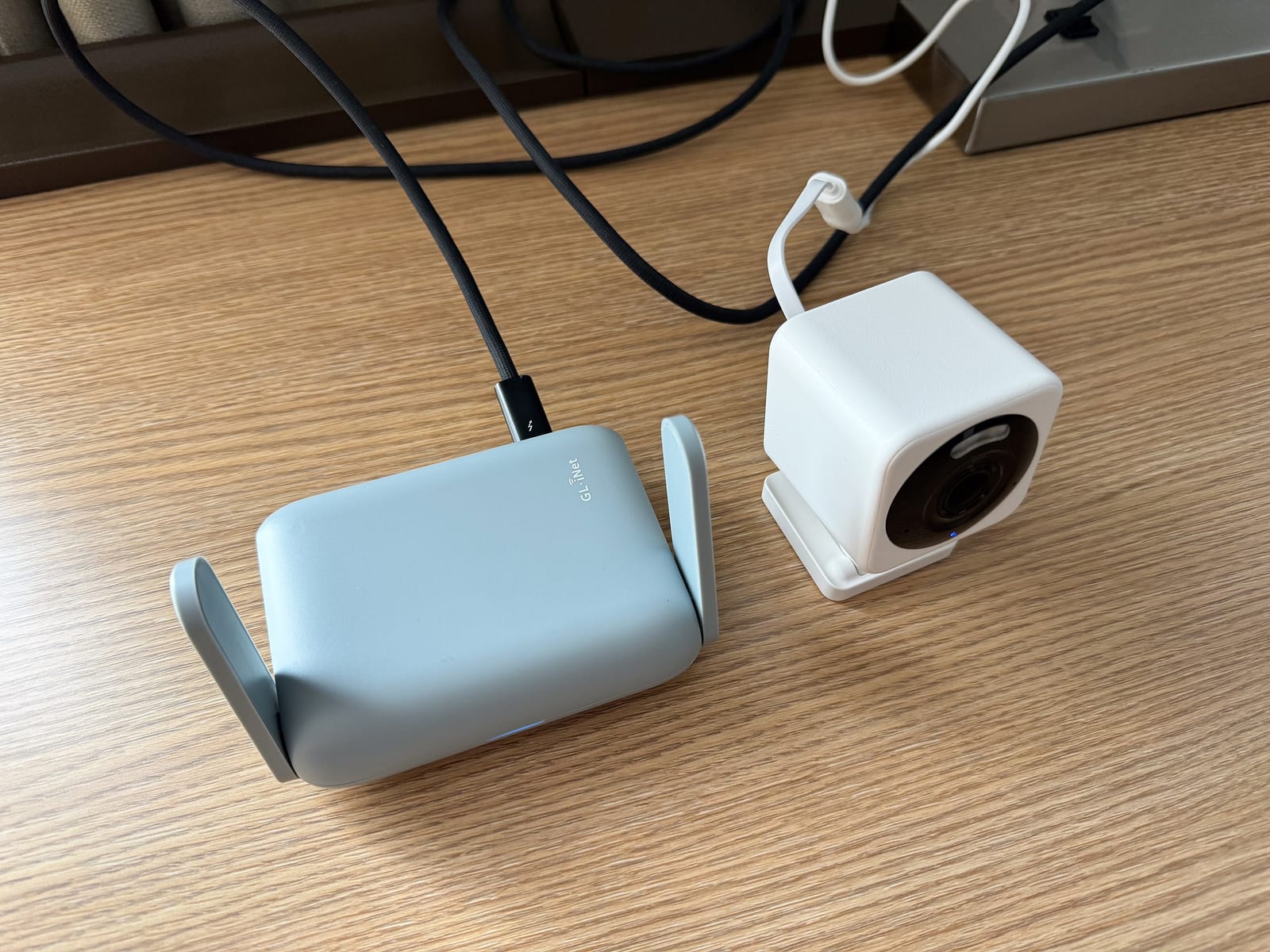
Hackers exploit GL.iNet cloud flaw to infect routers, KVM devices

GL.iNet has confirmed that its GoodCloud remote management platform was exploited by unauthorized parties to deploy custom malware across its line of routers and KVM (Keyboard, Video, Mouse) devices. The company issued a security advisory on November 20, 2026, stating that it has since patched the cloud-side vulnerability and blocked the specific access path used by the attackers. While the…

security

A brief history of syslog timestamps, (Sun, Nov 22nd)

Debian and Ubuntu distributions removed a specific configuration directive from the rsyslogd package earlier in 2023, a change that has implications for how system logs are processed and timestamped. This modification alters the default behavior of the logging daemon, potentially affecting how administrative tools and log management systems interpret the chronological order of events within a…

CVE-2026-28039high

TMS wpDataTables Vulnerability Listed As Exploited After 236 Days

The wpDataTables plugin vulnerability CVE-2026-28039 is now listed as exploited by VulnCheck, despite remaining absent from the CISA and EUVD catalogues.

CVE-2026-95610high

UpSolution Core SQL Injection Vulnerability Added To VulnCheck KEV

The UpSolution Core plugin vulnerability CVE-2026-95610 was added to the VulnCheck KEV catalogue 18 days after its initial publication, though it remains absent from CISA and ENISA lists.

CVE-2024-2544high

Sygnoos Popup Builder Vulnerability Listed As Exploited After 870 Days

The Sygnoos Popup Builder vulnerability CVE-2024-2544 has been added to the VulnCheck KEV catalogue, despite remaining absent from the CISA and EUVD catalogues.