LIVE · cybersecurity feed
Live wire
AI found more critical bugs in another widely used technology running 225M websitesCVE-2026-129448 · Apache Roller RCE Flaw CVE-2026-129448 Under Active AttackCognizant and Qualys Redefine AI-Era Managed Security ServiceJava4Shell Vulnerability Allows Remote Attacks on Major Java AppsCVE-2026-114938 · Java4Shell (CVE-2026-114938): Frequently asked questions about OpenJDK remote code execution vulnerabilityCVE-2026-114938 · CVE-2026-114938: Critical vulnerability in OpenJDK JAVACritical Java4Shell flaw allows RCE attacks on major Java applicationsCVE-2026-114938 · How to Find, Mitigate, and Patch the Critical Java4Shell Flaw (CVE-2026-114938) NowCVE-2026-28160 · e4jvikwp VikRentCar Vulnerability Listed As Exploited In VulnCheck KEVCVE-2025-5569 · Ideacms Improper Neutralization Flaw Added To VulnCheck KEV After 514 Days
patch

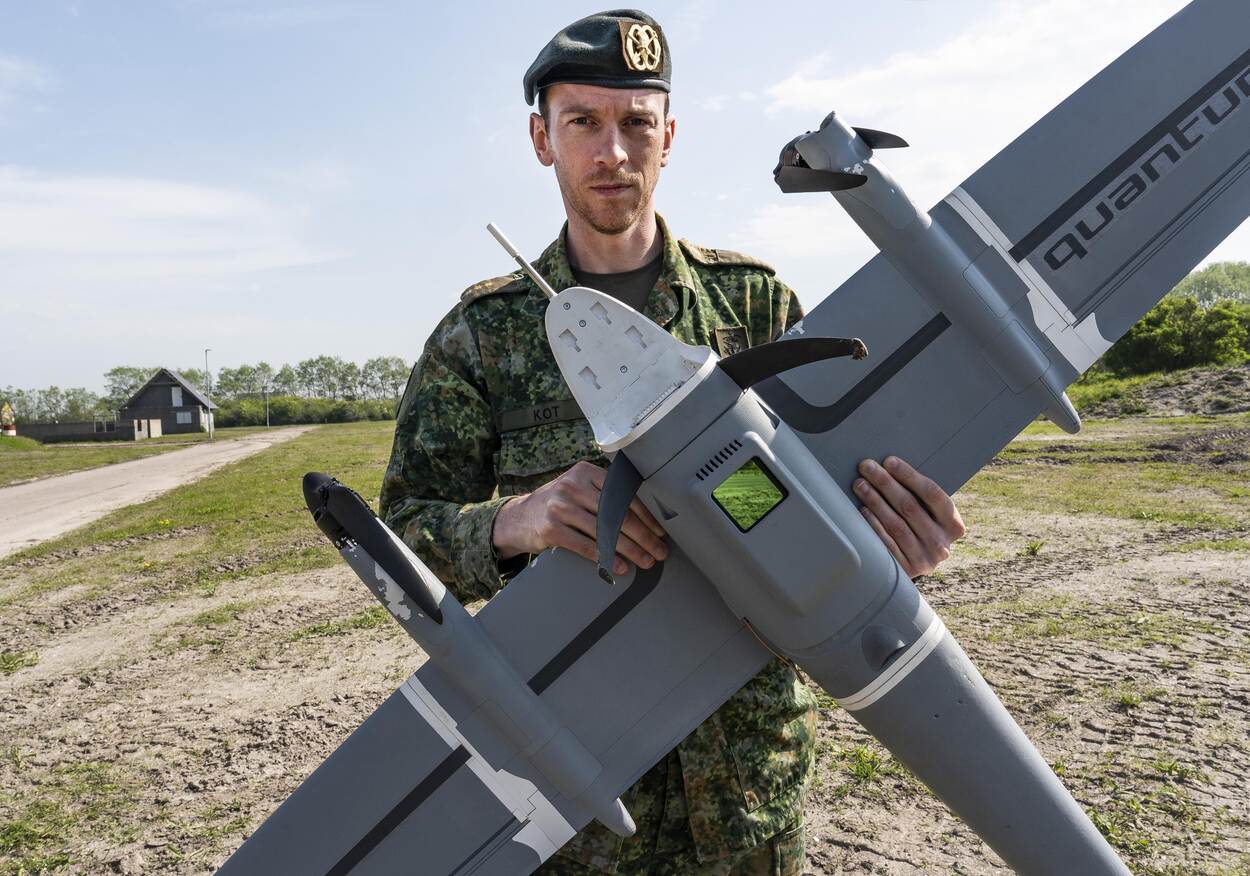
German Military Grounds Quantum Systems Drones Following Reported Cyberattack

The German defense firm Quantum Systems has confirmed that it was the target of a cyberattack in late October 2026. The company, which specializes in the production of reconnaissance and interceptor drones, stated that its internal security teams identified and contained the breach shortly after it began. While the firm has engaged both internal and external cybersecurity experts to…

ZeroDay News ·

Source: Security Affairs

Photo: Unknown authorUnknown author (CC BY-SA 4.0) via Wikimedia Commons

The German defense firm Quantum Systems has confirmed that it was the target of a cyberattack in late October 2026. The company, which specializes in the production of reconnaissance and interceptor drones, stated that its internal security teams identified and contained the breach shortly after it began. While the firm has engaged both internal and external cybersecurity experts to investigate the matter, it maintains that the incident poses no operational risk to the end users or the military personnel currently utilizing its unmanned aerial systems.

Despite the company’s assurances regarding the safety of its hardware, reports indicate that the German military has taken precautionary measures by grounding its fleet of Quantum Systems drones. These aircraft, which include the Vector reconnaissance drone—referred to as the Falke within the German armed forces—were reportedly excluded from a recent military exercise while the situation is being assessed.

The nature of the intrusion suggests a sophisticated supply chain attack. According to reports citing internal sources, the attackers may have compromised the company’s software update infrastructure to distribute a malicious file. The primary focus of the investigation is the QBase platform, a ground-control and mission-planning software suite that runs on Windows computers to manage, monitor, and analyze drone operations.

The incident was triggered when an unexpected software update reached customers, raising immediate alarms within the company. It remains unclear how many users may have installed the suspicious update before the threat was identified. The potential for such an attack is significant, as compromising a software distribution mechanism allows unauthorized actors to push malicious code to systems that inherently trust the vendor’s digital signatures and update channels.

While Quantum Systems has officially acknowledged the cyberattack, it has not disclosed specific technical details regarding the entry point or the nature of the malicious code. The company has characterized the event as part of a broader, persistent campaign of cyber aggression against European defense firms, particularly those providing critical support to Ukraine. Quantum Systems asserts that its role in the defense supply chain makes it a high-value target for hostile actors.

Multiple German government agencies are reportedly involved in the ongoing investigation, including the Military Counterintelligence Service (MAD), the Federal Office for the Protection of the Constitution (BfV), and the Federal Office for Information Security (BSI). However, these agencies have not provided public confirmation of their involvement, and no specific threat actor or group has been identified as responsible for the breach.

The incident serves as a stark reminder of the security requirements for defense-industrial software. Experts emphasize that protecting the integrity of update servers is as critical as securing production environments. Best practices for mitigating such risks include the rigorous verification of software integrity, the restriction of access to update infrastructure, and the implementation of mechanisms that allow for the rapid rollback of updates if anomalous behavior is detected.

Quantum Systems maintains that it has robust mitigation plans in place and remains committed to upholding high standards for system security. The company continues to work closely with relevant authorities to finalize its investigation into the October incident. For now, the defense industry remains on high alert, as the compromise of mission-planning software underscores the potential for cyber operations to disrupt essential military equipment and operational readiness.


patch
ShareXLinkedInWhatsAppFacebook

More News

view all →
vulnerabilitycritical

AI found more critical bugs in another widely used technology running 225M websites

F5 has issued an emergency security update for the open-source NGINX web server to address 10 newly discovered vulnerabilities. These flaws affect a significant portion of the internet, as NGINX currently powers approximately 225 million websites. The vendor has urged all administrators to upgrade their systems to version 1.31.9 immediately to mitigate the risks.

vulnerability

Consensus mounts that tech outages were fueled by patching of AI-discovered vulnerabilities

A series of significant technical outages affecting aviation, banking, and communications infrastructure over the past week has prompted a federal investigation into the stability of critical systems. While initial concerns focused on the possibility of coordinated cyberattacks, officials from the Trump administration, including Secretary of Homeland Security Markwayne Mullin, Director of…

CVE-2026-129448critical

Apache Roller RCE Flaw CVE-2026-129448 Under Active Attack

The Apache Software Foundation has issued an urgent security advisory regarding a critical remote code execution (RCE) vulnerability in Apache Roller, an open-source Java-based blogging platform. The flaw, assigned the identifier CVE-2026-129448 and carrying a maximum CVSS severity score of 9.8, is currently being exploited in the wild.

ai

Coinbase blocks $4.7 million in transfers to Elon Musk deepfake scam

Coinbase successfully intercepted $4.7 million in cryptocurrency transfers associated with a sophisticated deepfake scam targeting users during a high-profile Tesla event. The incident occurred during a demonstration of Tesla's flying car technology, which was broadcast via a fraudulent YouTube livestream. The stream, which drew an audience of over 500,000 viewers, utilized AI-generated video…

ai

Strike Graph Launches Integration AI to Automate Continuous Compliance Evidence Using Any Existing Tool

Strike Graph has announced the launch of a new agentic AI solution designed to automate the collection of compliance evidence across an organization’s existing software stack. By leveraging direct API integrations, the platform aims to streamline the evidence-gathering process, mapping data points to more than 30 different compliance frameworks simultaneously to eliminate redundant manual…

ai

Judge signs off on sale of Spirit Airlines’ data to Google

A federal bankruptcy judge in New York has officially approved the sale of Spirit Airlines’ corporate data to Google, a transaction valued at $10 million. The deal, which follows the airline’s cessation of operations in May, involves the transfer of a massive dataset to the tech giant for the stated purpose of training artificial intelligence models. The repository includes approximately 100…


