LIVE · cybersecurity feed
Live wire
U.S. urges critical infrastructure orgs to secure refrigeration systems ASAP after EU supermarket and blood bank attacksCISA Announces Enhanced Reporting Form for Cyber IncidentsCVE-2026-19868 · CISA Flags SonicWall SonicOS MFA Bypass Flaw Amid Reports of Possible ExploitationCVE-2026-119757 · BTCPay Server Insufficiently Protected Credentials Flaw Exploited Upon DisclosureCVE-2026-118066 · LatePoint Improper Authentication Vulnerability Exploited Upon DisclosureCVE-2026-120534 · ACF Extended Advanced Custom Fields PRO Flaw Exploited Upon DisclosureCVE-2026-109884 · Elementor Website Builder Flaw Exploited Same Day As DisclosureCVE-2026-19868 · SonicWall SonicOS SSLVPN Vulnerability Exploited On Day Of DisclosureCVE-2026-103898 · Wpmet wp_social_login_and_register_social_counter Flaw Exploited Upon DisclosureCVE-2026-116512 · weDevs wp_project_manager Flaw Exploited Before CVE Publication
vulnerability

Linus Torvalds sees signs AI-prompted patch flood has peaked

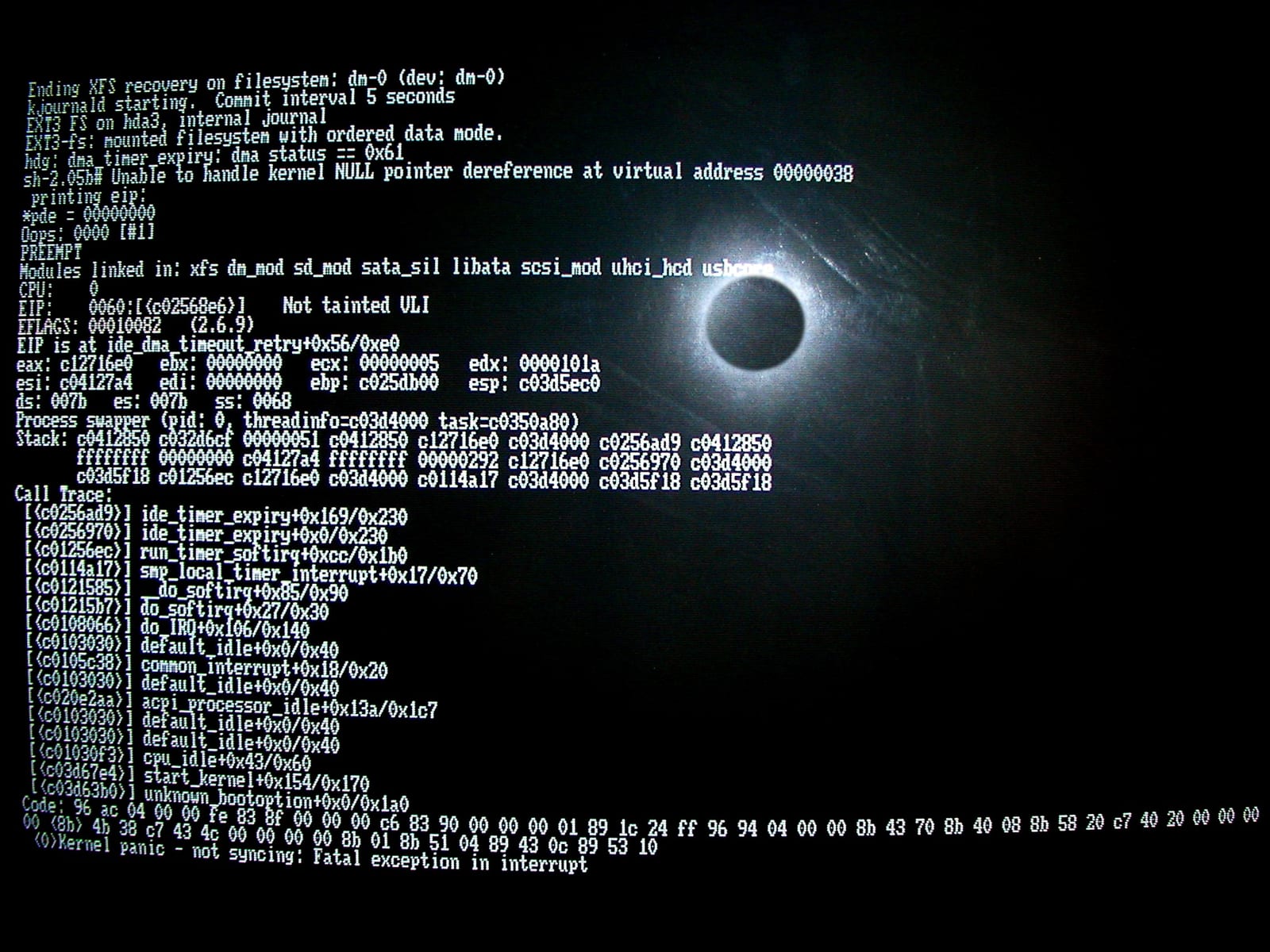
The Linux kernel development community may be nearing the end of a period characterized by an overwhelming surge in software patches, according to observations from Linus Torvalds. In his recent update regarding the release of Linux 7.4 rc2, Torvalds noted that the volume of incoming bug reports, which has been significantly elevated by the use of artificial intelligence in vulnerability…

ZeroDay News ·

Source: The Register — Security

Photo: Dolda2000, Adamantios (Public domain) via Wikimedia Commons

The Linux kernel development community may be nearing the end of a period characterized by an overwhelming surge in software patches, according to observations from Linus Torvalds. In his recent update regarding the release of Linux 7.4 rc2, Torvalds noted that the volume of incoming bug reports, which has been significantly elevated by the use of artificial intelligence in vulnerability research, appears to be stabilizing in specific segments of the codebase.

This trend of accelerated patch cycles began in April following the introduction of the Mythos bug-finding model by Anthropic. The integration of such AI tools has enabled developers and security researchers to identify software flaws at an unprecedented scale. This shift has placed immense pressure on IT departments and software vendors, who have struggled to keep pace with the record-breaking number of patches required to secure their systems.

The impact of this AI-driven discovery process is evident in the recent performance of major software providers. Microsoft, for instance, reported a record-setting month in September, addressing 974 individual flaws. This followed two other significant patching efforts earlier in the year, which saw 206 vulnerabilities addressed in June and 622 in July. Similarly, Oracle processed 1,449 security fixes within a single month, highlighting the massive administrative and technical burden currently placed on organizations tasked with deploying these updates.

Torvalds highlighted that the Linux kernel, which comprises over 40 million lines of code, has been particularly susceptible to this deluge of findings. However, he pointed to a positive development within the Extended Berkeley Packet Filter (eBPF) subsystem. Alexei Starovoitov, a lead developer for the project, reported that the rate of incoming fixes for eBPF has begun to outpace the rate of new vulnerability reports.

While Torvalds emphasized that this progress is currently localized to the eBPF area and has not yet extended to the majority of the kernel, he characterized the shift as a potential turning point. He suggested that if this trend continues to spread across other subsystems, the industry may finally be moving past the peak of the current patch cycle.

Despite this cautious optimism, Torvalds warned against complacency. He noted that while the tide may be starting to turn, the situation remains fluid and requires ongoing vigilance. The rapid identification of vulnerabilities by AI remains a significant factor in the threat landscape, as malicious actors are increasingly focusing their efforts on exploiting the flaws identified by these automated tools.

The current state of Linux 7.4 rc2 serves as a case study for these broader industry challenges. The release is notable both for its size—following a record-breaking initial release candidate—and for the inclusion of numerous AI-related fixes. These updates are a direct response to the heightened scrutiny the kernel has faced since the deployment of advanced automated bug-finding models.

Ultimately, the development community is watching to see if the stabilization observed in the eBPF project will serve as a bellwether for the rest of the kernel. If the influx of new bug reports continues to decline relative to the speed of remediation, it could signal a return to more manageable development and maintenance cycles for one of the world’s most critical software projects. For now, however, the consensus remains that while there is a glimmer of progress, the industry must remain prepared for continued high-volume patching requirements.


vulnerabilitypatchai
ShareXLinkedInWhatsAppFacebook

More News

view all →
vulnerability

Anthropic Rolls Out Mythos 5.2 With Improved Bug Hunting, Fewer Sandbox Escapes

Anthropic has officially released Claude Mythos 5.2 and Claude Fable 5.2, the latest iterations of its AI models designed for specialized security and general-purpose tasks. While both models share the same underlying architecture, they differ significantly in their operational guardrails. Mythos 5.2 is an access-restricted model intended for vetted organizations participating in Anthropic’s…

CVE-2026-123218

IBM Aspera Faspex, SignalWire FreeSwitch Vulnerabilities Exploited in Attacks

The Cybersecurity and Infrastructure Security Agency (CISA) has issued an urgent directive for federal agencies to remediate two critical vulnerabilities currently being exploited in the wild. The agency added CVE-2026-123218, affecting IBM Aspera Faspex, and CVE-2026-116779, impacting SignalWire FreeSwitch, to its Known Exploited Vulnerabilities (KEV) catalog. Under the requirements of…

vulnerability

Google patches eighth Chrome zero-day exploited in attacks this year

Google has issued an emergency security update for its Chrome web browser to address a high-severity vulnerability that is currently being exploited in the wild. This flaw, tracked as CVE-2026-125350, marks the eighth zero-day vulnerability patched by the company since the beginning of 2026.

nation-state

IRISSCON 2026 puts preparedness for cyberattacks and hybrid threats in focus

Ireland faces a critical need to bolster its national security infrastructure to counter a rising tide of sophisticated cyberattacks and hybrid threats. Ahead of the IRISSCON 2026 conference held at Dublin’s Aviva Stadium, experts have characterized the current state of national readiness as potentially inadequate. The discourse centers on the necessity of moving beyond isolated defensive…

security

Default Admin Password Let Researchers Unlock and Start Cars

Security researchers Shubham Shah and Sam Curry have disclosed a series of vulnerabilities that allowed them to remotely unlock and start vehicles by compromising the identity management infrastructure of two unnamed automotive brands. The researchers detailed their findings in separate reports published in early November 2026, noting that the flaws affected customer accounts across the United…

breach

Binance Investigates ShinyHunters Breach Claims

Binance is currently investigating claims made by the threat actor group ShinyHunters, which alleges it has successfully breached the cryptocurrency exchange’s systems. On November 4, 2026, the group posted an advertisement on the PwsForums platform, asserting that it had obtained approximately 335.9 million records. The attackers are demanding a payment of $900,000, threatening to leak the…


