
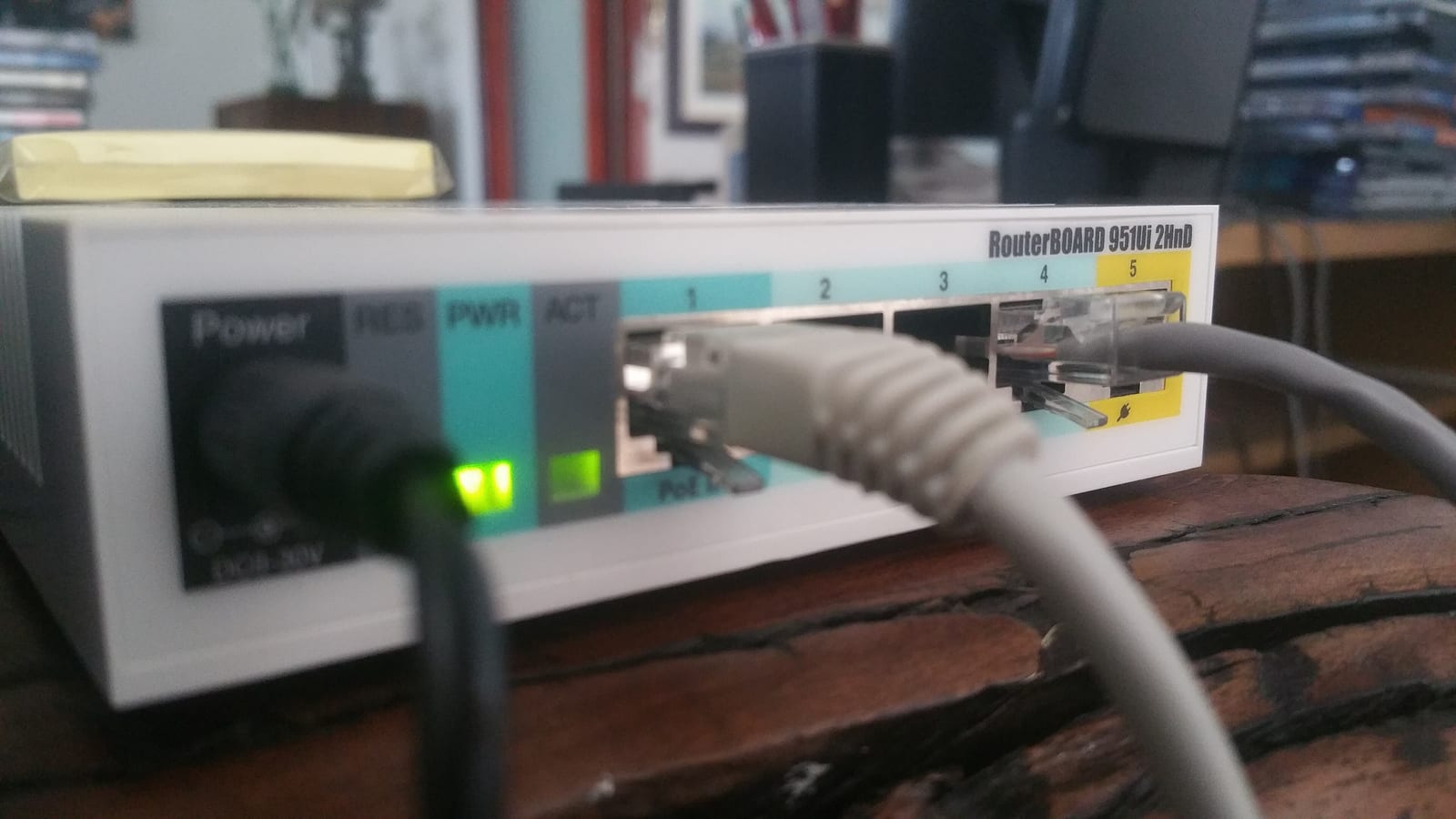
Reports indicate that MikroTik routers are currently being compromised through their internet-exposed SSH services. The attacks leverage an unauthenticated access vector, allowing threat actors to bypass typical security measures and gain full administrative control over affected devices. This exploitation has reportedly been active since at least September 2.
The core mechanism of the attack involves an unauthenticated SSH access vulnerability. Typically, SSH (Secure Shell) is designed to provide a secure channel over an unsecured network by requiring strong authentication, such as passwords or cryptographic keys, before granting access. In this reported scenario, attackers are able to connect to and interact with the SSH service on MikroTik routers without presenting valid credentials, effectively bypassing the authentication step entirely. This critical flaw grants them immediate administrative privileges.
With administrative control, attackers can perform a wide range of malicious activities. This includes reconfiguring network settings, installing persistent backdoors, joining the devices to botnets, or using them as pivot points for further attacks within a network. Given that routers are critical infrastructure components, their compromise can lead to significant network disruption, data exfiltration, or the establishment of covert command-and-control channels.
MikroTik routers are widely used in various environments, from small offices and home networks to internet service providers and enterprise settings, due to their robust feature set and cost-effectiveness. The widespread deployment of these devices suggests a potentially broad impact from such an unauthenticated access vulnerability. Devices with internet-facing SSH services are particularly at risk, as they are directly exposed to scanning and attack attempts from the public internet.
Mitigation for this class of vulnerability typically involves several key steps. Users should immediately check if their MikroTik routers have an internet-exposed SSH service. If SSH access is not strictly necessary from the internet, it should be disabled. For situations where remote SSH access is required, it should be restricted to trusted IP addresses using firewall rules. Furthermore, ensuring that router firmware is up-to-date is crucial, as vendors often release patches for such critical security flaws. Changing default credentials and employing strong, unique passwords for any remaining authenticated services is also a standard security practice.
This incident underscores the persistent threat posed by unauthenticated access vulnerabilities, particularly in network infrastructure devices. Routers and other edge devices are frequent targets due to their critical position in network architecture and the potential for widespread impact upon compromise. The ongoing nature of the exploitation highlights the importance of proactive security measures, including regular vulnerability scanning, strict access controls, and prompt application of security updates, to defend against evolving cyber threats.





