LIVE · cybersecurity feed
Live wire
AI found more critical bugs in another widely used technology running 225M websitesCognizant and Qualys Redefine AI-Era Managed Security ServiceJava4Shell Vulnerability Allows Remote Attacks on Major Java AppsCVE-2026-114938 · Java4Shell (CVE-2026-114938): Frequently asked questions about OpenJDK remote code execution vulnerabilityCVE-2026-114938 · CVE-2026-114938: Critical vulnerability in OpenJDK JAVACritical Java4Shell flaw allows RCE attacks on major Java applicationsCVE-2026-114938 · How to Find, Mitigate, and Patch the Critical Java4Shell Flaw (CVE-2026-114938) NowCVE-2026-28160 · e4jvikwp VikRentCar Vulnerability Listed As Exploited In VulnCheck KEVCVE-2025-5569 · Ideacms Improper Neutralization Flaw Added To VulnCheck KEV After 514 DaysCVE-2025-41452 · Danfoss AK-SM8xxA Series Vulnerability Added To VulnCheck KEV
malware

Quantum Systems drones back in the air after malware scare

Quantum Systems has confirmed that its fleet of unmanned aerial vehicles is back in operation following a temporary grounding by the German military. The manufacturer, which provides drone technology to both the Bundeswehr and the Ukrainian armed forces, stated that it identified a cybersecurity incident in late October. According to the company, the threat was successfully contained through…

ZeroDay News ·

Source: The Register — Security

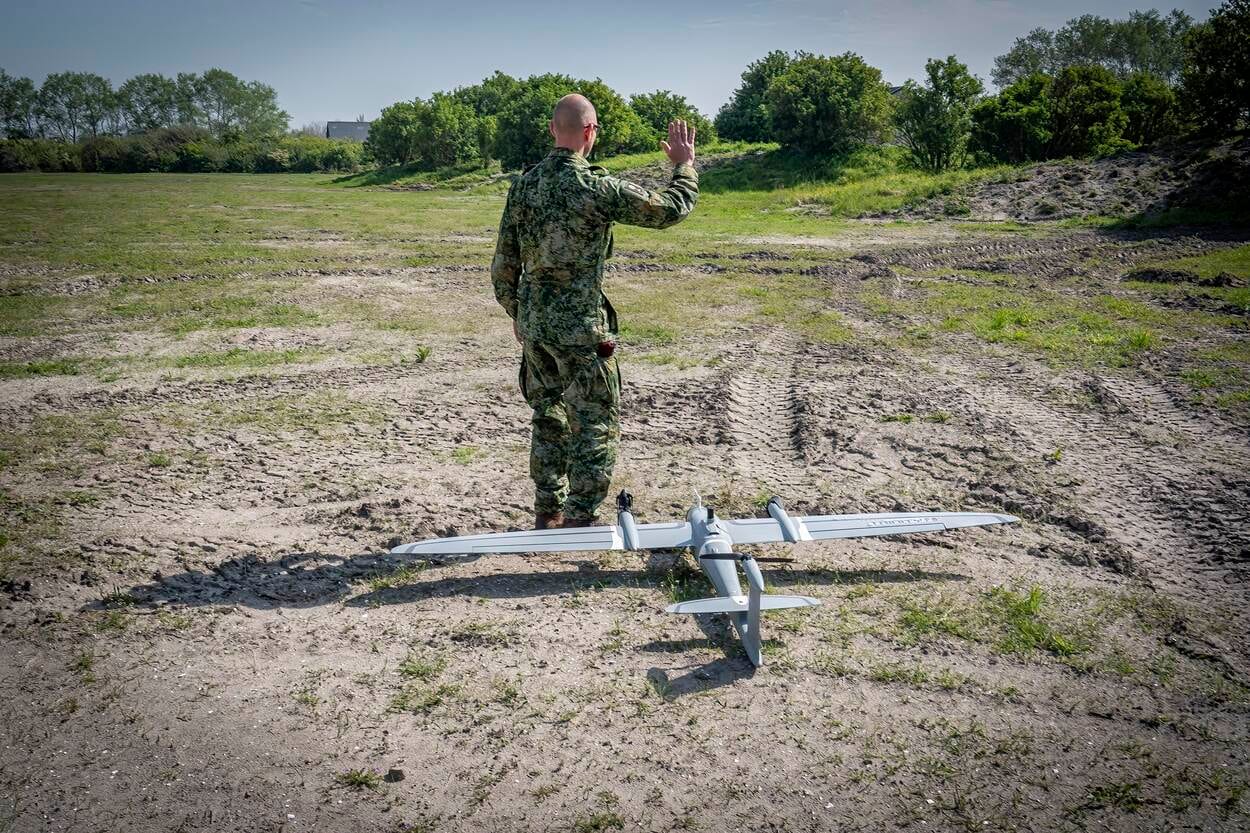
Photo: Unknown authorUnknown author (CC BY-SA 4.0) via Wikimedia Commons

Quantum Systems has confirmed that its fleet of unmanned aerial vehicles is back in operation following a temporary grounding by the German military. The manufacturer, which provides drone technology to both the Bundeswehr and the Ukrainian armed forces, stated that it identified a cybersecurity incident in late October. According to the company, the threat was successfully contained through the coordinated efforts of its internal security teams and relevant government authorities.

The precautionary grounding was specifically initiated by the German defense ministry, which was the only customer to take such action in response to the incident. While the company has maintained that its systems are now safe for use, the German defense ministry has declined to provide specific comments regarding the nature of the breach or the operational status of the equipment.

Reports indicate that the security failure originated within a malicious update distributed through QBase, the ground-control software used by operators to plan missions, monitor flight paths, and process telemetry data. While this compromised update reportedly reached servers managed by the German military and other clients, there is no evidence to suggest that the malware successfully migrated to the drones themselves.

Quantum Systems has characterized the incident as part of a broader, ongoing trend of persistent cyberattacks targeting the European defense sector. The company noted that organizations supporting the Ukrainian military effort have been frequent targets of such activity for several years. Despite the intrusion, the manufacturer asserts that its global fleet is currently functioning normally.

The incident comes at a sensitive time for the company, which has seen significant growth and increased integration into European defense strategies. In July, the firm secured a $1.2 billion Series D funding round, bringing its valuation to approximately $8 billion. Furthermore, the German government recently announced plans to fund the production of tens of thousands of interceptor drones to be manufactured within Ukraine as part of a winter aid package.

Although Quantum Systems reported the breach to authorities immediately upon discovery, the company has remained tight-lipped regarding the technical specifics of the intrusion. The firm emphasized that the characteristics of the incident and the subsequent remediation steps taken by its IT teams ensured that end users and operators faced no ongoing risk.

The cybersecurity event highlights the increasing vulnerability of the defense supply chain, particularly regarding software updates for critical infrastructure. By targeting the ground-control software rather than the physical hardware, the attackers attempted to leverage the trust inherent in the vendor-to-client update mechanism.

As of mid-November, the situation appears to be resolved, with the Bundeswehr lifting its restrictions on the use of the affected systems. Quantum Systems continues to maintain its operational commitments, including its support for front-line interceptor systems currently deployed in the ongoing conflict in Ukraine.


malwarepatch
ShareXLinkedInWhatsAppFacebook

More News

view all →
malware

Microsoft's official Python agent framework hijacked to distribute malware

Microsoft has confirmed that its official Python agent-framework package was compromised, leading to the distribution of malicious code through the Python Package Index (PyPI). The incident involved the unauthorized upload of versions 1.26.1 and 1.26.2, which were pushed to the repository using Microsoft’s official publisher account. Security researchers identified the breach, noting that the…

vulnerabilitycritical

AI found more critical bugs in another widely used technology running 225M websites

F5 has issued an emergency security update for the open-source NGINX web server to address 10 newly discovered vulnerabilities. These flaws affect a significant portion of the internet, as NGINX currently powers approximately 225 million websites. The vendor has urged all administrators to upgrade their systems to version 1.31.9 immediately to mitigate the risks.

vulnerability

Consensus mounts that tech outages were fueled by patching of AI-discovered vulnerabilities

A series of significant technical outages affecting aviation, banking, and communications infrastructure over the past week has prompted a federal investigation into the stability of critical systems. While initial concerns focused on the possibility of coordinated cyberattacks, officials from the Trump administration, including Secretary of Homeland Security Markwayne Mullin, Director of…

ai

Coinbase blocks $4.7 million in transfers to Elon Musk deepfake scam

Coinbase successfully intercepted $4.7 million in cryptocurrency transfers associated with a sophisticated deepfake scam targeting users during a high-profile Tesla event. The incident occurred during a demonstration of Tesla's flying car technology, which was broadcast via a fraudulent YouTube livestream. The stream, which drew an audience of over 500,000 viewers, utilized AI-generated video…

ai

Strike Graph Launches Integration AI to Automate Continuous Compliance Evidence Using Any Existing Tool

Strike Graph has announced the launch of a new agentic AI solution designed to automate the collection of compliance evidence across an organization’s existing software stack. By leveraging direct API integrations, the platform aims to streamline the evidence-gathering process, mapping data points to more than 30 different compliance frameworks simultaneously to eliminate redundant manual…

nation-state

California tells Waymo to take the next exit after freeway mishaps

Waymo has suspended all driverless operations on high-speed freeways across the United States following regulatory intervention in California. The Alphabet-owned company initiated this nationwide pause on November 11, the same day the California Department of Motor Vehicles (DMV) formally banned the firm from conducting driverless freeway trips within the state. While the suspension affects…


