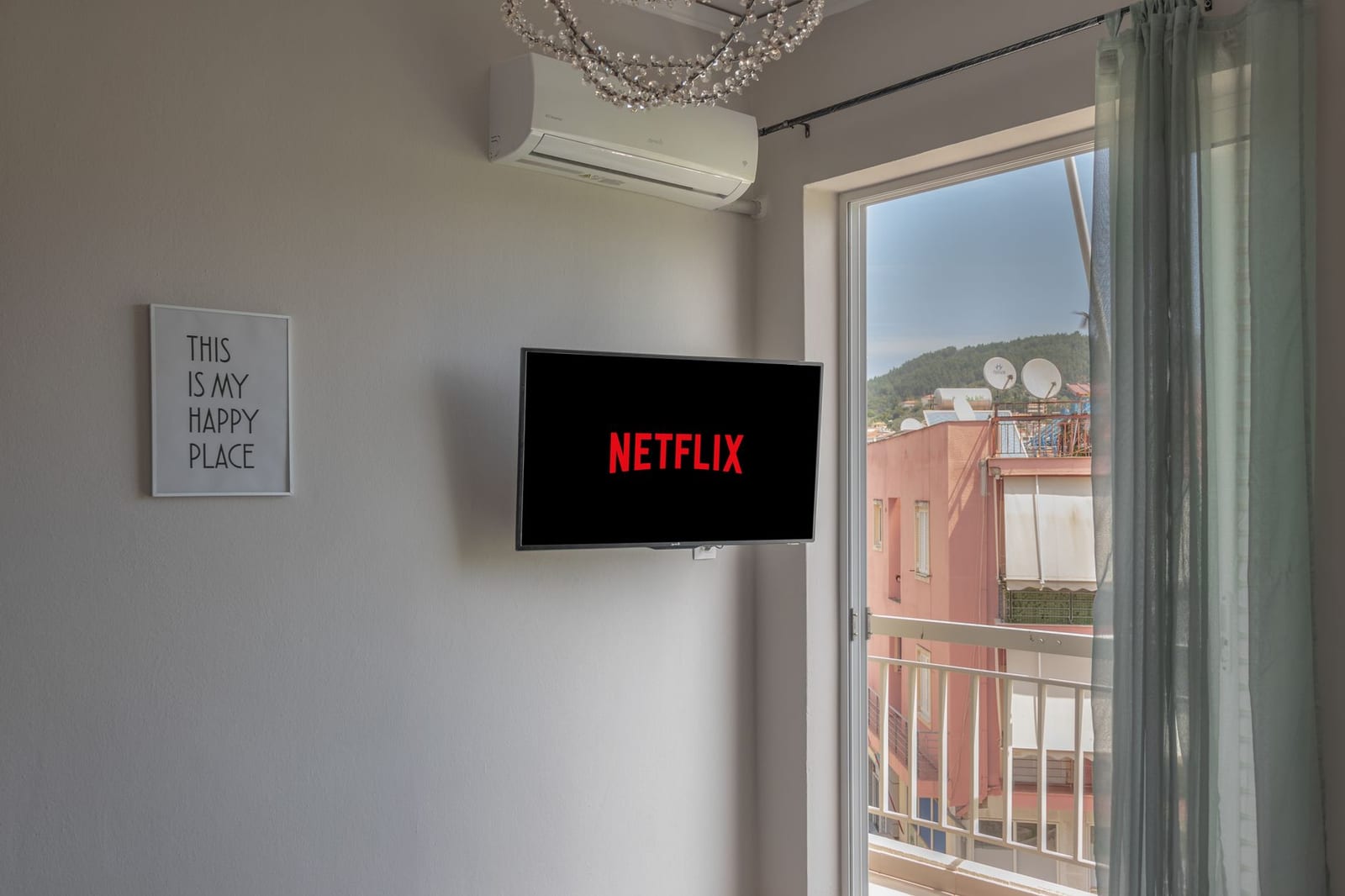
Cybersecurity researchers reportedly circumvented legal restrictions on testing LG smart TVs by intentionally becoming inebriated before agreeing to the devices' terms and conditions. The researchers' rationale was that a contract agreed to under the influence of alcohol would not be legally binding, thus allowing them to proceed with security testing without violating LG's terms of service.
The specific findings of their security audit were not detailed, but the results are said to offer a new perspective on smart TV security. The unconventional approach highlights the challenges researchers face when attempting to conduct independent security assessments of consumer electronics, often constrained by vendor-imposed legal agreements.
This incident was discussed in the context of broader cybersecurity topics, including a piece of Android malware dubbed "Awesome" (an Indonesian term), which is reportedly capable of data theft, ransomware demands, and scareware tactics.
Additionally, the discussion touched upon the current cybersecurity landscape, noting that mid-market companies are increasingly targeted by cybercriminals. The role of artificial intelligence in accelerating attack timelines, from initial compromise to full ransomware deployment, was also highlighted as a significant concern.